


Hey there! As a plastic net supplier, I've been getting a lot of questions lately about the optical properties of plastic net. So, I thought I'd take a deep dive into this topic and share what I've learned.
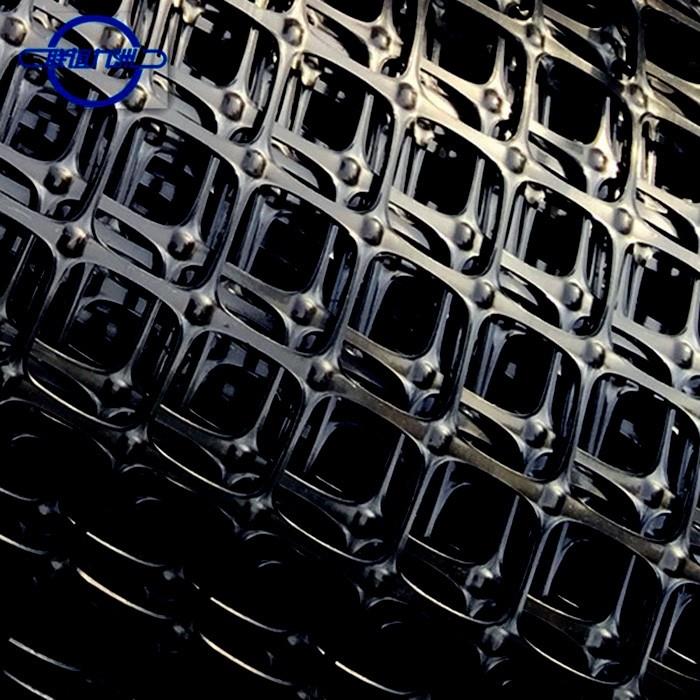

First off, let's talk about what optical properties actually are. In simple terms, optical properties refer to how a material interacts with light. This includes things like transparency, translucency, reflectivity, and color. When it comes to plastic net, these properties can vary widely depending on a few key factors.
Transparency and Translucency
One of the most obvious optical properties of plastic net is its transparency or translucency. Some plastic nets are designed to be completely transparent, allowing light to pass through them with minimal distortion. This can be really useful in applications where visibility is important, like in greenhouse coverings or safety barriers.
On the other hand, there are also plastic nets that are more translucent. These nets allow some light to pass through, but they scatter it in different directions, creating a diffused effect. Translucent plastic nets are often used in applications where you want to reduce glare or create a more even distribution of light, such as in shading systems or decorative elements.
The level of transparency or translucency in a plastic net depends on a few factors, including the type of plastic used, the thickness of the net, and the manufacturing process. For example, nets made from high-quality, clear plastics like polycarbonate or acrylic tend to be more transparent than those made from lower-grade materials. Similarly, thinner nets are generally more transparent than thicker ones, as there is less material for the light to pass through.
Reflectivity
Another important optical property of plastic net is its reflectivity. Reflectivity refers to the ability of a material to reflect light. Some plastic nets are designed to be highly reflective, which can be useful in applications where you want to redirect light or create a mirror-like effect.
Reflective plastic nets are often used in solar energy applications, where they can help to increase the efficiency of solar panels by reflecting sunlight onto the panels. They can also be used in safety applications, such as in road signs or reflective vests, to make them more visible at night.
The reflectivity of a plastic net can be influenced by a few factors, including the surface finish of the net and the addition of reflective additives. Nets with a smooth, shiny surface tend to be more reflective than those with a rough or matte finish. Additionally, some plastic nets are treated with reflective coatings or additives to enhance their reflectivity.
Color
Color is another optical property that can have a big impact on the appearance and performance of plastic net. Plastic nets can be manufactured in a wide range of colors, from bright and vibrant hues to more muted and natural tones.
The color of a plastic net can be chosen based on the specific application and aesthetic preferences. For example, in landscaping applications, green or brown plastic nets may be used to blend in with the natural environment, while in industrial applications, bright colors like yellow or orange may be used for safety reasons.
The color of a plastic net is typically achieved by adding pigments or dyes to the plastic during the manufacturing process. These pigments or dyes absorb certain wavelengths of light and reflect others, giving the net its characteristic color. The choice of pigment or dye can also affect other optical properties of the net, such as its transparency and reflectivity.
Applications of Plastic Net Based on Optical Properties
Now that we've discussed the main optical properties of plastic net, let's take a look at some of the applications where these properties are important.
- Greenhouse Coverings: As mentioned earlier, transparent or translucent plastic nets are often used in greenhouse coverings. The transparency of the net allows sunlight to enter the greenhouse, providing the plants with the light they need to grow. At the same time, the translucency of the net can help to reduce glare and create a more even distribution of light, which is beneficial for plant growth.
- Shading Systems: Translucent plastic nets are commonly used in shading systems to reduce the amount of sunlight that reaches a particular area. By scattering the light, these nets can help to create a cooler and more comfortable environment, while still allowing some natural light to filter through.
- Solar Energy Applications: Reflective plastic nets can be used in solar energy applications to increase the efficiency of solar panels. By reflecting sunlight onto the panels, these nets can help to capture more energy and convert it into electricity.
- Safety Applications: Reflective plastic nets are often used in safety applications, such as in road signs or reflective vests. The high reflectivity of these nets makes them more visible at night, which can help to prevent accidents and improve safety.
- Decorative Elements: Plastic nets with interesting optical properties, such as transparency, translucency, or color, can be used as decorative elements in a variety of settings. For example, they can be used to create unique lighting effects, add texture to a space, or enhance the visual appeal of a product.
Our Plastic Net Products
As a plastic net supplier, we offer a wide range of plastic net products with different optical properties to meet the needs of our customers. Our products include PP Extruded Biaxial Geogrid, Extruded Biaxial Geogrid, and Plastic Geogrid. These products are made from high-quality plastics and are available in a variety of colors, thicknesses, and mesh sizes.
Whether you're looking for a transparent net for a greenhouse covering, a reflective net for a solar energy application, or a decorative net for a special project, we have the right product for you. Our team of experts can help you choose the best plastic net for your specific needs and provide you with all the information and support you need to make an informed decision.
Contact Us for Procurement
If you're interested in purchasing our plastic net products or have any questions about their optical properties, please don't hesitate to contact us. We're always happy to help and look forward to working with you to find the perfect solution for your project.
References
- Smith, J. (2020). Plastic Materials and Their Properties. New York: Wiley.
- Jones, A. (2019). Optical Properties of Polymers. London: Elsevier.
- Brown, C. (2018). Applications of Plastic Net in Various Industries. Sydney: ABC Publishing.