


Hey there! As a supplier of PP Non Woven Geotextile, I often get asked if this product can be used in landfill lining. Well, let's dive right into it and find out.
What is PP Non Woven Geotextile?
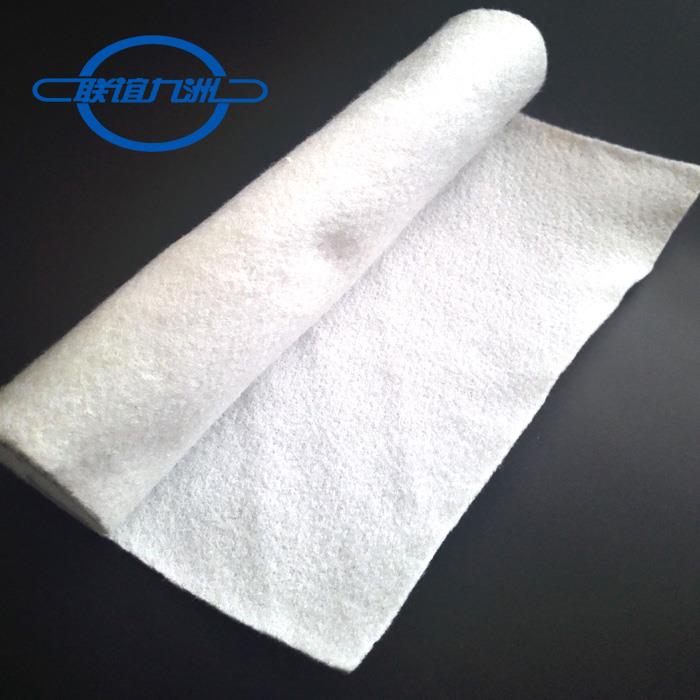
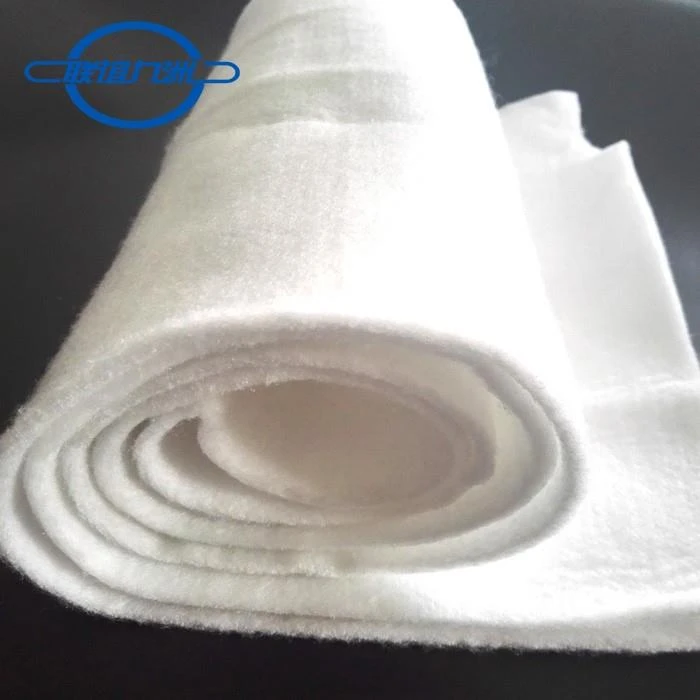
First off, let's quickly go over what PP Non Woven Geotextile is. PP stands for polypropylene, which is a type of plastic polymer. Non woven means that the fabric isn't woven like traditional textiles but is instead made by bonding or entangling fibers together.
This material has some pretty cool properties. It's strong, durable, and resistant to many chemicals. It also has good water permeability, which means it can let water pass through while still holding back soil particles. There are different types available, like the 12 Oz Non Woven Geotextile, PP Needle Punched Nonwoven Geotextile, and Polypropylene Non Woven Geotextile. Each type has its own unique characteristics and uses.
Landfill Lining Requirements
Landfills are no joke. They need to be lined properly to prevent the leakage of harmful substances into the surrounding environment. The lining system has to be able to withstand the weight of the waste, resist chemical attacks from the decomposing waste, and have good hydraulic conductivity to manage the flow of leachate (the liquid that drains through the landfill).
The lining usually consists of multiple layers. There's a bottom layer that acts as a cushion, a geomembrane that provides a barrier against leakage, and then a protective layer on top of the geomembrane. The protective layer is where geotextiles come in.
Can PP Non Woven Geotextile be Used in Landfill Lining?
The short answer is yes, PP Non Woven Geotextile can definitely be used in landfill lining, and here's why.
Strength and Durability
PP Non Woven Geotextile has high tensile strength, which means it can handle the weight of the waste in the landfill without tearing or breaking. It can also withstand the mechanical stresses that come with the construction and operation of the landfill. For example, during the placement of the waste, there's a lot of pushing and moving around, and the geotextile needs to be tough enough to stay intact.
Chemical Resistance
Landfill waste contains all sorts of chemicals, from acids and bases to heavy metals. PP Non Woven Geotextile is resistant to many of these chemicals, which means it won't break down easily when in contact with the waste. This is crucial for maintaining the integrity of the lining system over time.
Filtration and Drainage
One of the key functions of the geotextile in the landfill lining is to act as a filter and a drainage layer. It allows water to pass through while preventing soil particles from clogging the drainage system. This helps in managing the leachate and reducing the pressure on the geomembrane. The water permeability of PP Non Woven Geotextile makes it ideal for this purpose.
Protection of Geomembrane
The geomembrane is the main barrier in the landfill lining, but it's also quite delicate. PP Non Woven Geotextile acts as a protective layer for the geomembrane, preventing it from being punctured by sharp objects in the waste or damaged during construction.
Advantages of Using PP Non Woven Geotextile in Landfill Lining
There are several advantages to using PP Non Woven Geotextile in landfill lining.
Cost-Effective
Compared to some other materials, PP Non Woven Geotextile is relatively inexpensive. It provides a good balance between performance and cost, making it a popular choice for landfill projects, especially for large-scale ones.
Easy Installation
PP Non Woven Geotextile is lightweight and easy to handle, which makes the installation process quicker and more efficient. It can be rolled out easily over the landfill site, reducing the labor and time required for installation.
Versatility
As mentioned earlier, there are different types of PP Non Woven Geotextile available, which means you can choose the one that best suits the specific requirements of your landfill project. Whether you need a thicker geotextile for more protection or a more permeable one for better drainage, there's an option for you.
Potential Challenges and How to Overcome Them
Of course, there are also some potential challenges when using PP Non Woven Geotextile in landfill lining.
Clogging
Over time, the geotextile may become clogged with fine soil particles or debris, which can reduce its water permeability. To overcome this, regular maintenance and monitoring are necessary. You can also choose a geotextile with a larger pore size or use a pre - filtration system.
UV Degradation
If the geotextile is exposed to sunlight for a long time before being covered, it can be damaged by UV rays. To prevent this, it's important to store the geotextile properly and install it as soon as possible after delivery. You can also use UV - stabilized geotextiles.
Conclusion
In conclusion, PP Non Woven Geotextile is a great option for landfill lining. It has the strength, durability, chemical resistance, and filtration properties needed to meet the requirements of landfill projects. While there are some challenges, they can be easily overcome with proper planning and maintenance.
If you're working on a landfill project or know someone who is, and you're interested in using PP Non Woven Geotextile, I'd love to talk to you. We have a wide range of products to choose from, and our team can help you select the best one for your specific needs. Don't hesitate to reach out for a chat about your procurement requirements.
References
- Koerner, R. M. (2012). Designing with Geosynthetics. Pearson.
- Bonaparte, R., & Daniel, D. E. (1987). Geosynthetics in landfill liners and covers. Journal of Geotechnical Engineering, 113(8), 820 - 839.