


Hey there! As a plastic geogrid supplier, I often get asked about the thickness of plastic geogrids. It's a crucial question because the thickness can significantly impact the geogrid's performance in various applications. In this blog, I'll break down everything you need to know about the thickness of plastic geogrids.
Understanding Plastic Geogrids
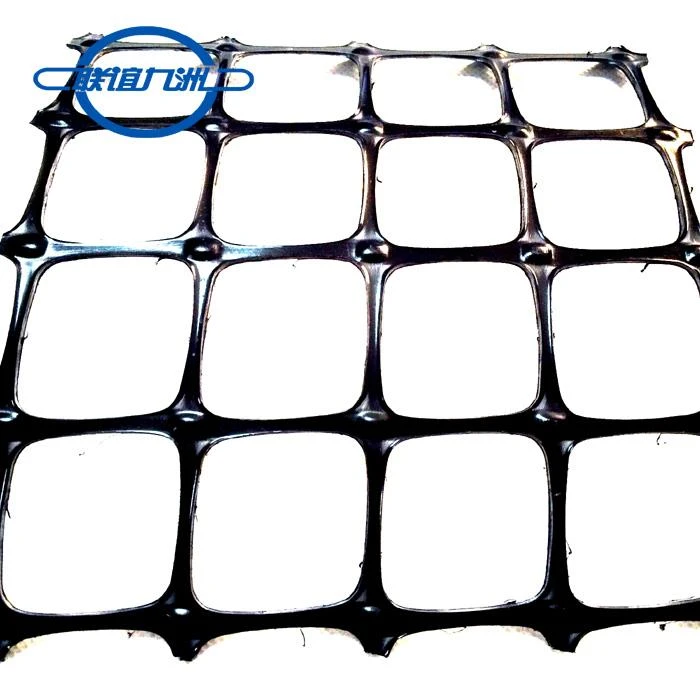
First off, let's quickly go over what plastic geogrids are. Plastic geogrids are synthetic materials made from polymers like polypropylene (PP) or polyethylene (PE). They're used in civil engineering projects to reinforce soil, stabilize slopes, and prevent erosion. These grids have a grid-like structure that interlocks with the soil, providing additional strength and stability.
Factors Affecting the Thickness of Plastic Geogrids
The thickness of a plastic geogrid isn't a one-size-fits-all deal. It depends on several factors:
1. Application
The intended use of the geogrid plays a huge role in determining its thickness. For example, if you're using it for a simple garden path, a thinner geogrid might do the trick. But for large-scale road construction or slope stabilization projects, you'll need a thicker and more robust geogrid.
2. Load Requirements
The amount of weight or stress the geogrid will have to bear is another important factor. Higher load requirements usually call for thicker geogrids. In a heavy-traffic area, like a highway, the geogrid needs to be thick enough to withstand the constant pressure from vehicles.
3. Soil Conditions
The type of soil where the geogrid will be installed also matters. Soft or unstable soils require thicker geogrids to provide sufficient reinforcement. On the other hand, if the soil is already relatively stable, a thinner geogrid might be sufficient.
Typical Thickness Ranges
Plastic geogrids come in a wide range of thicknesses. Generally, the thickness can vary from as thin as 1mm to as thick as 10mm or more.
Thinner geogrids, around 1 - 3mm, are often used in lighter applications such as landscaping projects, like creating a base for a patio or a small driveway. These geogrids are more flexible and easier to handle.
Medium-thickness geogrids, in the range of 3 - 6mm, are suitable for medium-duty applications. This includes things like reinforcing the soil under a parking lot or a small road. They offer a good balance between strength and flexibility.
Thicker geogrids, 6mm and above, are designed for heavy-duty applications. They're commonly used in large-scale infrastructure projects, such as highway construction, railway embankments, and major slope stabilization. These geogrids can withstand high loads and provide long-term stability.
Examples of Geogrids and Their Thicknesses
Let's take a look at some specific products in our range:
- The PP Biaxial Geogrid BX1100 has a thickness of around 2.5mm. It's a popular choice for medium-scale landscaping and light road reinforcement projects.
- The PP Biaxial Geogrid 20kn has a thickness of approximately 3.5mm. This geogrid is suitable for applications where a bit more strength is required, like parking lots or small industrial areas.
- The PP Biaxial Geogrid 30kn comes with a thickness of about 4.5mm. It's designed for heavy-duty applications, such as major road construction and large slope stabilization projects.
Measuring the Thickness
Measuring the thickness of a plastic geogrid is relatively straightforward. You can use a simple caliper to get an accurate measurement. Make sure to measure at multiple points across the geogrid to account for any variations in thickness.
Importance of Choosing the Right Thickness
Picking the right thickness for your plastic geogrid is crucial. If you choose a geogrid that's too thin, it won't be able to provide enough reinforcement, and your project might fail. On the other hand, if you go for a geogrid that's too thick, you'll end up spending more money than necessary.

How to Select the Appropriate Thickness
When selecting the thickness of a plastic geogrid, here are some steps you can follow:
1. Assess the Project
Understand the scope and requirements of your project. Consider factors like the size of the area, the expected load, and the soil conditions.
2. Consult an Expert
If you're not sure which thickness is right for you, it's a good idea to consult an engineer or a geotechnical expert. They can provide valuable insights based on their experience and knowledge.
3. Review Product Specifications
Look at the specifications of different geogrid products. Pay attention to the thickness, strength, and other properties to find the one that best suits your needs.
Contact Us for Your Geogrid Needs
If you're in the market for plastic geogrids and need help choosing the right thickness for your project, we're here to assist you. Our team of experts has years of experience in the industry and can provide you with the best advice. Whether you're working on a small DIY project or a large-scale infrastructure development, we have the right geogrid for you. Don't hesitate to reach out and start a conversation about your requirements.
References
- ASTM D6637 - Standard Specification for Geogrids for Unpaved Road Applications
- BS EN 13249 - Geosynthetics - Geogrids - Characteristics required for use in civil engineering works
- Koerner, R. M. (2012). Designing with Geosynthetics. Pearson.