


Hey there! As a supplier of Polypropylene Geogrid, I'm super excited to chat with you about its applications in foundation pit support. Polypropylene Geogrid is a game-changer in the construction industry, especially when it comes to keeping foundation pits stable and secure.
What is Polypropylene Geogrid?
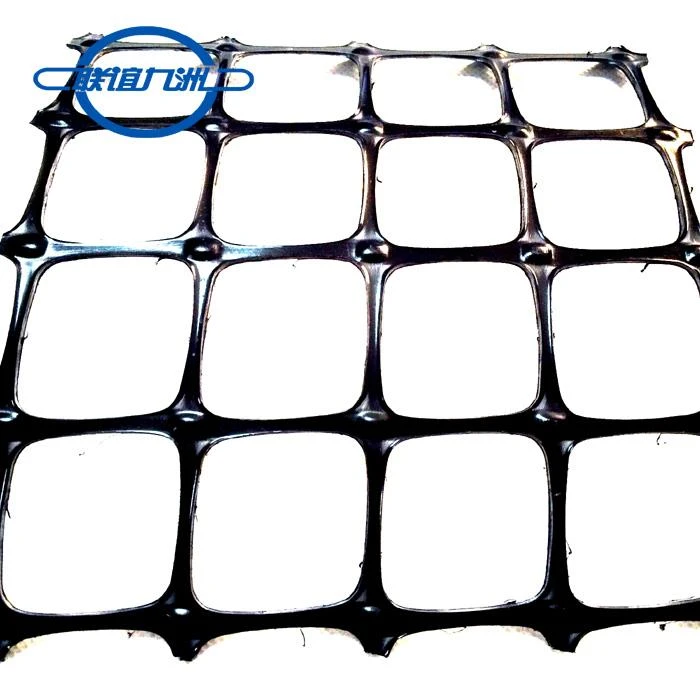
First off, let's quickly go over what Polypropylene Geogrid is. It's a type of geosynthetic material made from polypropylene, which is a strong and durable plastic. The grid-like structure gives it unique properties that make it ideal for a variety of construction applications. It's lightweight, easy to install, and has excellent tensile strength, which means it can withstand a lot of pulling force without breaking.
Applications in Foundation Pit Support
Reinforcing the Soil
One of the main applications of Polypropylene Geogrid in foundation pit support is soil reinforcement. When you're digging a foundation pit, the soil around it can become unstable. This can lead to all sorts of problems like soil collapse, which is definitely not what you want. That's where Polypropylene Geogrid comes in.
We can place the geogrid within the soil layers around the foundation pit. The grid interlocks with the soil particles, creating a composite structure. This composite structure has increased shear strength, which means it can resist the forces that would otherwise cause the soil to slide or collapse. For example, in a large building project where the foundation pit is quite deep, using PP Biaxial Geogrid 20kn can significantly improve the stability of the surrounding soil. The 20kn strength is suitable for medium to large - scale foundation pits, providing enough reinforcement to keep the soil in place.
Slope Protection
Foundation pits often have sloped sides, and these slopes need to be protected to prevent erosion and landslides. Polypropylene Geogrid is great for slope protection. You can lay the geogrid on the slope surface and then cover it with soil or other protective materials.
The geogrid acts as a barrier that holds the soil in place. It prevents water runoff from washing away the soil particles, and it also helps to distribute the weight of the soil evenly across the slope. This reduces the risk of slope failure. Biaxial Geogrid is commonly used for this purpose. Its biaxial structure provides strength in two directions, which is very effective for stabilizing slopes. It can be easily installed on the slope, and it's flexible enough to conform to the shape of the slope, ensuring maximum protection.
Retaining Wall Construction
Retaining walls are often used in foundation pit support to hold back the soil and prevent it from collapsing into the pit. Polypropylene Geogrid can be used to reinforce these retaining walls.
When constructing a retaining wall, we can incorporate the geogrid within the wall structure. The geogrid adds tensile strength to the wall, allowing it to withstand the lateral pressure exerted by the soil. For instance, PP Biaxial Geogrid BX1100 is a high - strength option that can be used in the construction of large - scale retaining walls for foundation pits. It helps to increase the stability of the wall and extends its service life.
Advantages of Using Polypropylene Geogrid in Foundation Pit Support
Cost - Effective
Compared to some traditional foundation pit support methods, using Polypropylene Geogrid is cost - effective. It's relatively inexpensive to produce and install. You don't need to use a large amount of heavy - duty construction materials, which can save you a lot of money on your project. Also, since it's lightweight, it reduces transportation costs.
Easy Installation
Installing Polypropylene Geogrid is a breeze. You don't need a lot of specialized equipment or a large crew of workers. The geogrid can be easily unrolled and placed in the desired location. This means that you can save time on the construction site, which is always a plus.
Long - Term Durability
Polypropylene is a very durable material. It's resistant to corrosion, chemicals, and environmental factors. This means that the geogrid will last a long time in the soil, providing continuous support for the foundation pit. You won't have to worry about it deteriorating over time and losing its effectiveness.
Case Studies
Let's take a look at a couple of real - world examples to see how Polypropylene Geogrid has been used successfully in foundation pit support.
In a commercial building project in the city, the foundation pit was quite large and deep. The soil around the pit was loose and unstable. The construction team decided to use PP Biaxial Geogrid 20kn for soil reinforcement. They installed the geogrid in multiple layers within the soil around the pit. As a result, the soil stability improved significantly. There were no signs of soil collapse during the entire construction process, and the project was completed on time and within budget.
Another example is a residential development project. The foundation pits for the houses had sloped sides. To protect the slopes, the contractors used Biaxial Geogrid. They laid the geogrid on the slopes and covered it with topsoil. After a heavy rainstorm, the slopes remained intact, and there was no erosion or landslides. This shows how effective Polypropylene Geogrid can be in slope protection.
Conclusion
So, as you can see, Polypropylene Geogrid has a wide range of applications in foundation pit support. Whether it's reinforcing the soil, protecting slopes, or constructing retaining walls, it's a reliable and cost - effective solution.
If you're working on a construction project that involves foundation pit support, I highly recommend considering Polypropylene Geogrid. We, as a supplier, can offer you high - quality geogrid products that meet your specific needs. Whether you need PP Biaxial Geogrid 20kn, Biaxial Geogrid, or PP Biaxial Geogrid BX1100, we've got you covered.

If you're interested in learning more or want to discuss your project requirements, feel free to reach out to us. We're here to help you make the right choice for your foundation pit support needs. Let's work together to make your construction project a success!
References
- Koerner, R. M. (2012). Designing with Geosynthetics. Pearson.
- Bonaparte, R., & Christopher, B. R. (2007). Geosynthetics in Civil and Environmental Engineering. Wiley.