


The interaction between plastic biaxial geogrid and soil is a fascinating area of study that holds significant implications for various civil engineering projects. As a supplier of Plastic Biaxial Geogrid, I have witnessed firsthand the transformative impact this material can have on soil stability and reinforcement. In this blog post, I will explore the mechanisms behind the interaction between plastic biaxial geogrid and soil, its benefits, and practical applications.
Mechanisms of Interaction
The interaction between plastic biaxial geogrid and soil primarily occurs through three main mechanisms: interlocking, friction, and confinement.
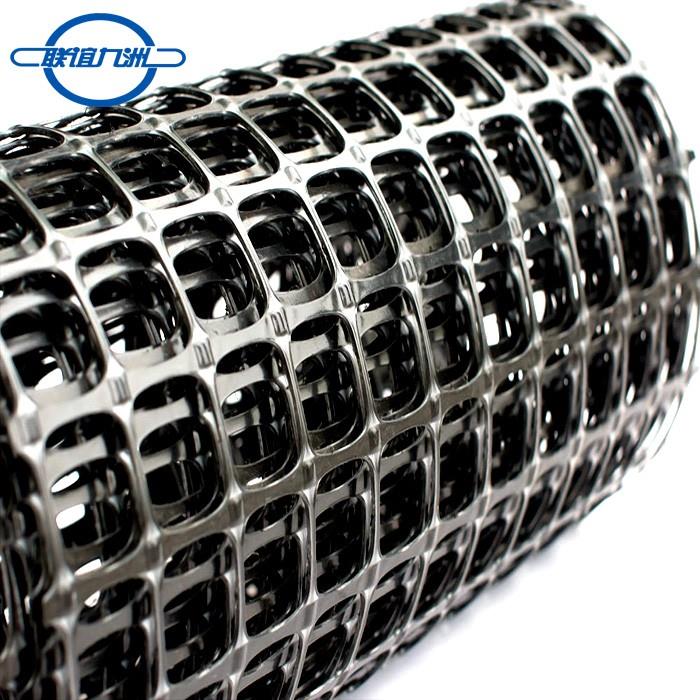
Interlocking: Plastic biaxial geogrid is characterized by its unique grid-like structure, which consists of a series of interconnected ribs and apertures. When the geogrid is placed within the soil, the soil particles penetrate into the apertures, creating a mechanical interlock between the geogrid and the soil. This interlock prevents the soil particles from moving independently, thereby enhancing the overall stability of the soil mass.
Friction: The surface of the plastic biaxial geogrid has a certain degree of roughness, which increases the frictional resistance between the geogrid and the soil. As the soil tries to move or deform, the frictional forces between the geogrid and the soil resist this movement, helping to maintain the integrity of the soil structure. The higher the frictional coefficient between the geogrid and the soil, the more effective the reinforcement.
Confinement: Plastic biaxial geogrid also provides lateral confinement to the soil. When the soil is subjected to vertical loads, the geogrid restricts the lateral expansion of the soil, reducing the potential for soil deformation and settlement. This confinement effect is particularly important in applications where the soil is prone to instability, such as in slopes, embankments, and retaining walls.
Benefits of Using Plastic Biaxial Geogrid
The use of plastic biaxial geogrid offers several benefits in soil reinforcement applications:
Improved Soil Stability: By enhancing the interlocking, friction, and confinement between the geogrid and the soil, plastic biaxial geogrid significantly improves the stability of the soil mass. This can prevent soil erosion, slope failures, and other forms of soil instability, making it an ideal solution for areas with poor soil conditions.
Increased Load-Bearing Capacity: The reinforcement provided by plastic biaxial geogrid increases the load-bearing capacity of the soil. This allows for the construction of structures such as roads, railways, and buildings on soils that would otherwise be unable to support them. As a result, the need for costly soil improvement techniques such as excavation and replacement can be reduced.
Cost-Effectiveness: Compared to traditional soil reinforcement methods, the use of plastic biaxial geogrid is often more cost-effective. It requires less labor and material, and its installation is relatively simple and quick. Additionally, the long service life of plastic biaxial geogrid reduces the need for frequent maintenance and repairs, further lowering the overall cost of the project.
Environmental Sustainability: Plastic biaxial geogrid is made from recyclable materials, which makes it an environmentally friendly option for soil reinforcement. Its use can also help reduce the consumption of natural resources by extending the service life of existing soil structures.
Practical Applications
Plastic biaxial geogrid has a wide range of practical applications in civil engineering, including:
Road Construction: In road construction, plastic biaxial geogrid is used to reinforce the base and subbase layers of the road. This helps distribute the traffic loads more evenly, reducing the potential for rutting, cracking, and other forms of pavement distress. The improved stability of the road structure also allows for longer service life and reduced maintenance costs. You can find more information about suitable products at Plastic Biaxial Geogrid.
Slope Protection: Plastic biaxial geogrid is commonly used to protect slopes from erosion and instability. By installing the geogrid on the slope surface and covering it with soil or vegetation, the geogrid provides reinforcement and prevents the soil from sliding or being washed away by rain or other natural forces. This is particularly important in areas prone to landslides or soil erosion, such as mountainous regions or coastal areas.
Embankment Reinforcement: When constructing embankments, plastic biaxial geogrid can be used to reinforce the soil and prevent the embankment from settling or collapsing. The geogrid is placed within the embankment layers, providing additional stability and load-bearing capacity. This is especially useful in areas where the soil has low shear strength or is prone to liquefaction. Biaxial Geogrid 40kn might be a suitable option for some embankment reinforcement projects.
Retaining Wall Construction: In retaining wall construction, plastic biaxial geogrid is used to reinforce the backfill soil behind the wall. This helps reduce the lateral earth pressure on the wall, allowing for the use of smaller and more cost-effective retaining wall structures. The geogrid also improves the stability of the backfill soil, preventing it from causing excessive movement or failure of the retaining wall.

Case Studies
To illustrate the effectiveness of plastic biaxial geogrid in soil reinforcement, let's look at a few real-world case studies.
Case Study 1: Road Rehabilitation Project
In a road rehabilitation project in a rural area, the existing road surface was severely damaged due to heavy traffic and poor soil conditions. To address this issue, plastic biaxial geogrid was used to reinforce the road base. The geogrid was installed between the existing base layer and a new layer of aggregate, creating a composite structure that improved the load-bearing capacity and stability of the road. After the rehabilitation, the road showed significant improvement in terms of reduced rutting and cracking, and the service life of the road was extended.
Case Study 2: Slope Stabilization Project
A steep slope in a hilly area was at risk of landslides due to heavy rainfall and soil erosion. Plastic biaxial geogrid was installed on the slope surface and covered with a layer of soil and vegetation. The geogrid provided reinforcement to the soil, preventing it from sliding down the slope. Over time, the vegetation grew and further enhanced the stability of the slope. This project demonstrated the effectiveness of plastic biaxial geogrid in slope stabilization and erosion control.
Conclusion
The interaction between plastic biaxial geogrid and soil is a complex yet powerful phenomenon that offers numerous benefits in civil engineering applications. Through interlocking, friction, and confinement, plastic biaxial geogrid significantly improves the stability and load-bearing capacity of the soil, making it an essential material for many construction projects. Whether you are involved in road construction, slope protection, embankment reinforcement, or retaining wall construction, plastic biaxial geogrid can provide a cost-effective and reliable solution.
If you are interested in learning more about our Plastic Geogrid products or have a specific project in mind, we encourage you to contact us for procurement and discussion. Our team of experts is always ready to provide you with the best solutions and support for your soil reinforcement needs.
References
- John, T. (2015). Geosynthetics in Civil and Environmental Engineering. CRC Press.
- Peter, W. (2018). Soil Reinforcement Techniques. McGraw-Hill Education.