


Hey there! As a supplier of Polypropylene Geogrid, I often get asked whether this product can be used in seismic-resistant design. Today, I'm gonna dive deep into this topic and share some insights based on my experience in the industry.
First off, let's understand what Polypropylene Geogrid is. Polypropylene Geogrid is a kind of geosynthetic material made from polypropylene. It has a grid-like structure, which provides excellent tensile strength and stability. If you're interested in checking out our products, you can click on these links: PP Extruded Biaxial Geogrid, PP Biaxial Geogrid 20kn, and Polypropylene Geogrid.
Now, let's talk about seismic-resistant design. When an earthquake hits, the ground shakes, and this can cause all sorts of problems for structures and foundations. Seismic-resistant design aims to make structures more capable of withstanding these ground motions without collapsing or suffering excessive damage. So, can Polypropylene Geogrid play a part in this?
One of the key ways Polypropylene Geogrid can contribute to seismic-resistant design is through soil reinforcement. When used in soil, the geogrid acts like a skeleton. It interlocks with the soil particles, increasing the overall shear strength and bearing capacity of the soil. During an earthquake, soil liquefaction is a major concern. Liquefaction occurs when saturated soil loses its strength and behaves like a liquid under the influence of seismic forces. This can lead to ground settlement, slope failures, and damage to structures built on the soil.
Polypropylene Geogrid can help prevent soil liquefaction. The grid structure restrains the movement of soil particles, reducing the chances of them losing contact with each other and turning into a liquefied state. In addition, it helps to distribute the seismic loads more evenly across the soil mass. Instead of concentrating the forces at a single point, the geogrid spreads them out, which reduces the stress on the soil and the structures above it.

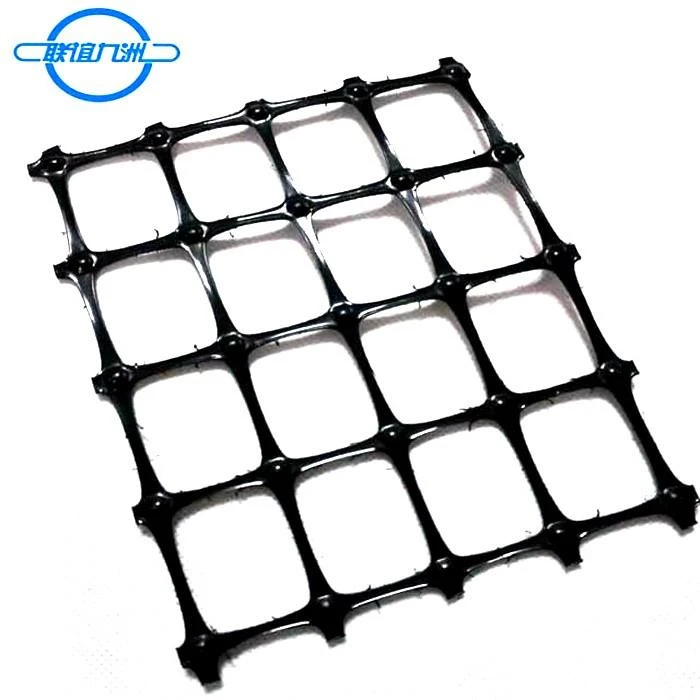
Another advantage of using Polypropylene Geogrid in seismic design is its flexibility. Unlike some rigid materials, polypropylene is flexible and can adapt to the ground movements during an earthquake. It can deform to a certain extent without breaking, which allows it to continue providing reinforcement even under extreme conditions. This flexibility also means that it can be easily installed in various soil conditions and configurations. Whether you're dealing with slopes, embankments, or retaining walls, the geogrid can be tailored to fit the specific project requirements.
Let's take a look at some real-world applications. In areas prone to earthquakes, Polypropylene Geogrid has been successfully used in the construction of roads and highways. By reinforcing the roadbase with geogrid, the pavement can better withstand the seismic forces and remain intact. This is crucial for maintaining transportation routes during and after an earthquake, which is essential for emergency response and recovery efforts.
In building construction, geogrid can be incorporated into the foundation system. It can be placed beneath the foundation to improve the soil's load-bearing capacity and stability. This helps to prevent the building from settling unevenly or toppling during an earthquake. Moreover, in the construction of retaining walls, Polypropylene Geogrid provides additional support. It binds the backfill soil together, reducing the lateral earth pressure on the wall. During an earthquake, this added support can prevent the wall from collapsing and damaging adjacent structures.
Of course, like any product, Polypropylene Geogrid also has its limitations in seismic-resistant design. Its effectiveness depends on proper installation and design. If the geogrid is not installed correctly or if the design doesn't take into account the specific seismic conditions of the area, its performance may be compromised. For example, the spacing, orientation, and layer thickness of the geogrid all need to be carefully determined based on factors such as soil type, ground motion characteristics, and the type of structure being built.
In addition, the long-term durability of Polypropylene Geogrid needs to be considered. Although polypropylene is a relatively durable material, it can be affected by environmental factors such as sunlight, chemicals, and microbial activity over time. Appropriate measures should be taken to protect the geogrid, such as covering it with soil or using additives to enhance its resistance to degradation.
Despite these limitations, the benefits of using Polypropylene Geogrid in seismic design far outweigh the potential drawbacks. It offers a cost-effective and practical solution for improving the seismic performance of various structures and soil systems.
If you're involved in a project that requires seismic-resistant design, I highly recommend considering Polypropylene Geogrid. Our company has a wide range of geogrid products to meet different project needs. Whether you're an engineer, contractor, or developer, we can provide you with high-quality polypropylene geogrid and professional technical support.
If you have any questions or want to discuss your specific project requirements, please don't hesitate to reach out. We're always eager to engage in a conversation and find the best solutions for your seismic-resistant design needs.
In conclusion, Polypropylene Geogrid can definitely be used in seismic-resistant design. Its ability to reinforce soil, prevent liquefaction, and adapt to ground movements makes it a valuable tool in protecting structures from earthquake damage. So, if you're looking for a reliable and effective way to enhance the seismic performance of your project, give Polypropylene Geogrid a try.
References
- "Geosynthetics in Civil Engineering" by R. K. Rowe
- "Seismic Design of Structures" by Norman A. Abrahamson
- Various industry reports and case studies on the use of geogrids in seismic areas