


Polyester geogrids are widely used in civil engineering projects for soil reinforcement, stabilization, and erosion control. As a supplier of polyester geogrids, I often receive inquiries from customers about the factors that affect the price of these products. In this blog post, I will discuss the key factors that influence the price of polyester geogrids to help you understand the cost structure and make informed purchasing decisions.
1. Raw Material Costs
The primary raw material for polyester geogrids is polyester resin. The price of polyester resin is subject to fluctuations in the global market, which are influenced by several factors:
- Crude Oil Prices: Polyester is a petrochemical product, and its production is closely related to the price of crude oil. When crude oil prices rise, the cost of producing polyester resin increases, leading to higher prices for polyester geogrids. For example, during periods of geopolitical unrest or supply disruptions in major oil - producing regions, the price of crude oil can spike, and this will be reflected in the cost of polyester geogrids.
- Supply and Demand Dynamics: The global demand for polyester resin in various industries, such as textiles, packaging, and automotive, also affects its price. If there is a high demand for polyester resin in other sectors, the supply available for geogrid production may be limited, driving up the price. Conversely, an oversupply in the market can lead to lower prices.
2. Manufacturing Process Complexity
The manufacturing process of polyester geogrids can vary in complexity, which has a significant impact on the final price:
- Extrusion and Drawing: Polyester geogrids are typically produced through extrusion and drawing processes. The quality of the equipment used in these processes, as well as the precision of the manufacturing parameters, can affect the strength and performance of the geogrid. High - end manufacturing equipment that can produce geogrids with consistent quality and high strength requires a large initial investment and higher operating costs. These costs are passed on to the customer in the form of a higher price.
- Coating and Treatment: Some polyester geogrids are coated or treated to enhance their performance, such as resistance to UV radiation, chemical corrosion, and abrasion. For example, PVC Coated Polyester Geogrid is coated with PVC to improve its durability and chemical resistance. The additional materials and processes involved in coating and treatment increase the production cost and thus the price of the geogrid.
3. Geogrid Specifications
The specifications of polyester geogrids, including strength, aperture size, and thickness, play a crucial role in determining their price:
- Tensile Strength: The tensile strength of a polyester geogrid is one of the most important performance indicators. Geogrids with higher tensile strength are designed to withstand greater loads and are used in more demanding engineering projects. Producing geogrids with high tensile strength requires more advanced manufacturing techniques and higher - quality raw materials, resulting in a higher price. For example, Polyester Uniaxial Geogrid is designed to provide high strength in one direction and is often used in applications where unidirectional reinforcement is required, such as in retaining walls and embankments. These uniaxial geogrids usually have a higher price compared to those with lower strength.
- Aperture Size: The aperture size of a polyester geogrid affects its interaction with the soil. Smaller aperture sizes are suitable for fine - grained soils, while larger aperture sizes are more appropriate for coarse - grained soils. Customizing the aperture size to meet specific project requirements may involve additional manufacturing steps and quality control measures, which can increase the cost.
- Thickness: Thicker polyester geogrids generally have higher strength and durability. However, producing thicker geogrids requires more raw materials and may involve longer production times, leading to a higher price.
4. Quality and Certification
The quality of polyester geogrids and the certifications they hold are important factors that influence the price:
- Quality Control: A reliable supplier will implement strict quality control measures throughout the production process to ensure that the geogrids meet the required standards. This includes testing the raw materials, monitoring the manufacturing process, and conducting final product inspections. Higher - quality geogrids with fewer defects and more consistent performance are more expensive due to the additional costs associated with quality control.
- Certifications: Geogrids that meet international or industry - specific certifications, such as ISO standards, are often priced higher. These certifications indicate that the product has been tested and verified to meet certain quality and performance criteria. For customers, purchasing certified geogrids provides assurance of product quality and reliability, but they need to pay a premium for this.
5. Market Competition
The level of competition in the polyester geogrid market also affects the price:
- Number of Suppliers: In a market with a large number of suppliers, competition is intense, and suppliers may lower their prices to attract customers. On the other hand, in a market with limited suppliers, the price may be higher due to the lack of competition. As a supplier, we need to balance the price with the quality and service we offer to stay competitive in the market.
- Customer Bargaining Power: Large - scale customers or those with long - term purchasing contracts may have more bargaining power and can negotiate lower prices. In contrast, small - scale customers may have to pay a relatively higher price.
6. Transportation and Logistics
The cost of transporting polyester geogrids from the manufacturing facility to the customer's site is another factor that affects the final price:
- Distance: The farther the transportation distance, the higher the transportation cost. This includes the cost of fuel, vehicle rental, and labor. For international shipments, additional costs such as customs duties, tariffs, and freight insurance also need to be considered.
- Packaging and Handling: Polyester geogrids need to be properly packaged to prevent damage during transportation. The cost of packaging materials and the labor involved in packaging and handling also contribute to the overall cost.
7. Customization Requirements
If customers have specific customization requirements for polyester geogrids, such as special sizes, colors, or performance characteristics, the price will be higher:
- Design and Development: Customizing a polyester geogrid often requires additional design and development work. This may involve conducting new material tests, adjusting the manufacturing process, and developing new production molds. These activities incur additional costs, which are reflected in the price of the customized geogrid.
- Small - Batch Production: Customized geogrids are often produced in small batches. Small - batch production has a higher unit cost compared to large - scale mass production because the fixed costs of production, such as equipment setup and quality control, are spread over a smaller number of products.
In conclusion, the price of polyester geogrids is affected by a variety of factors, including raw material costs, manufacturing process complexity, geogrid specifications, quality and certification, market competition, transportation and logistics, and customization requirements. As a supplier, we strive to provide high - quality polyester geogrids at a reasonable price. We understand that each project has unique requirements, and we are committed to working with our customers to find the most cost - effective solutions.

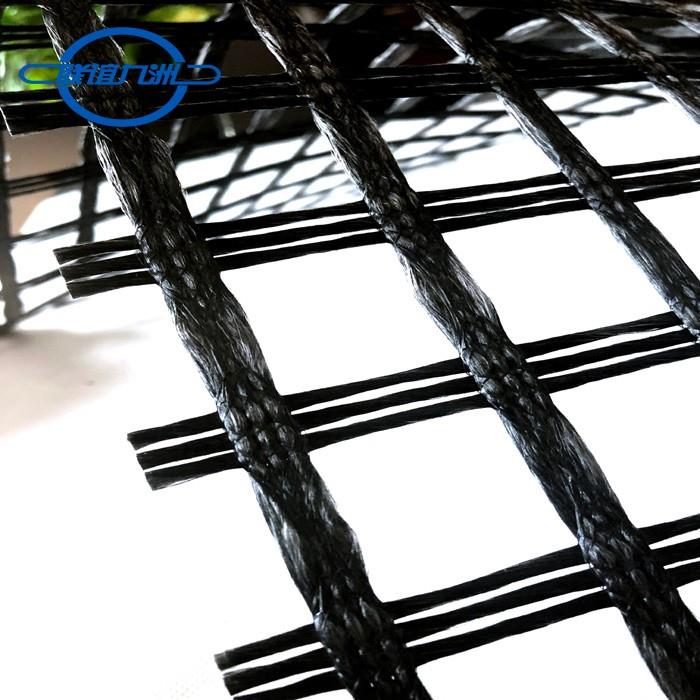
If you are interested in purchasing polyester geogrids for your project, whether it is Polyester Uniaxial Geogrid, Polyester Biaxial Geogrid, or PVC Coated Polyester Geogrid, please feel free to contact us for a detailed quotation and technical consultation. We look forward to collaborating with you on your next project.
References
- ASTM International. (Year). Standard test methods for geosynthetics.
- ISO (International Organization for Standardization). (Year). ISO standards for geosynthetics.
- Koerner, R. M. (Year). Designing with geosynthetics.