


Hey there! As a supplier of Fiberglass Geocomposite, I've been getting a lot of questions lately about what it takes for this material to be used in airport runway construction. So, I thought I'd put together this blog post to share all the important requirements.
Strength and Durability
First off, strength and durability are non - negotiable when it comes to airport runways. Planes are heavy, and they put a ton of stress on the runway surface every time they land and take off. Fiberglass Geocomposite needs to have high tensile strength to withstand these repeated loads.
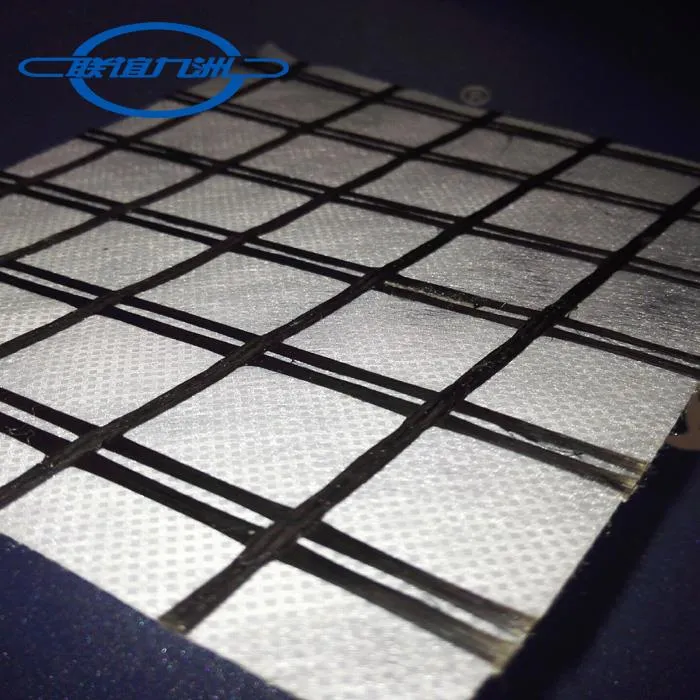
The Fiberglass Composite Geotextile Fiberglass Composite Geotextile we offer is designed with this in mind. It's made from high - quality fiberglass fibers that can handle the heavy traffic on the runway. These fibers are woven or knitted in a way that distributes the load evenly, preventing any single point from bearing too much stress.
Durability also means resistance to environmental factors. Airport runways are exposed to all kinds of weather conditions, from scorching heat to freezing cold. Fiberglass Geocomposite should be able to resist UV radiation, which can break down the material over time. It also needs to be resistant to moisture, as water can seep into the runway and cause damage if the material isn't up to the task.
Flexibility
Even though strength is crucial, flexibility is also an important requirement. Runways can experience some movement due to ground settlement or temperature changes. A rigid material would crack under these conditions, but Fiberglass Geocomposite needs to be flexible enough to bend without breaking.
The Fiberglass Geogrid Stitched with Geotextile Fiberglass Geogrid Stitched with Geotextile provides a good balance of strength and flexibility. The geogrid structure gives it the necessary strength, while the stitched geotextile adds a bit of flexibility. This combination allows the material to adapt to the movements of the runway without losing its integrity.
Filtration and Drainage
Proper filtration and drainage are essential for airport runways. Water on the runway can be extremely dangerous for planes, as it can cause hydroplaning. Fiberglass Geocomposite should act as a filter, preventing fine particles from clogging the drainage system.
At the same time, it needs to allow water to pass through easily. The Fiberglass Geogrids Geotextile Reinforcement Fiberglass Geogrids Geotextile Reinforcement has a porous structure that enables efficient water flow. This helps to keep the runway dry and safe for aircraft operations.
Chemical Resistance
Airport runways are often treated with various chemicals, such as de - icing agents during the winter. Fiberglass Geocomposite needs to be resistant to these chemicals to avoid degradation. Some de - icing agents can be quite corrosive, and if the material isn't chemically resistant, it can start to break down over time.
Our Fiberglass Geocomposite products are tested to ensure they can withstand exposure to common chemicals used in airport maintenance. This means that they'll continue to perform well even in harsh chemical environments.
Installation Ease
Another important requirement is ease of installation. Airport runway construction projects are often time - sensitive, and any delays can be costly. Fiberglass Geocomposite should be easy to handle and install.
Our products are designed with this in mind. They come in large rolls that can be easily transported to the construction site. The lightweight nature of the Fiberglass Geocomposite makes it easy for workers to unroll and position the material on the runway. This reduces the installation time and labor costs, making it a cost - effective solution for airport runway construction.
Compatibility with Other Materials
Fiberglass Geocomposite is usually used in combination with other materials in airport runway construction, such as asphalt or concrete. It needs to be compatible with these materials to ensure a seamless integration.
When installed with asphalt, the Fiberglass Geocomposite should bond well with the asphalt layer. This helps to improve the overall performance of the runway, such as reducing cracking and rutting. Similarly, when used with concrete, it should enhance the concrete's strength and durability without causing any compatibility issues.
Cost - Effectiveness
In the world of airport construction, cost is always a consideration. Fiberglass Geocomposite needs to offer good value for money. While it's important to have high - quality materials, the cost shouldn't be prohibitive.
Our Fiberglass Geocomposite products are priced competitively. The long - term benefits, such as reduced maintenance costs and increased lifespan of the runway, make them a cost - effective choice in the long run. By investing in our products, airport authorities can save money over the life of the runway.
Conclusion
So, there you have it - the key requirements for Fiberglass Geocomposite in airport runway construction. From strength and durability to flexibility, filtration, and chemical resistance, these factors all play a crucial role in ensuring the safety and performance of airport runways.
If you're involved in an airport runway construction project and are looking for high - quality Fiberglass Geocomposite, we'd love to hear from you. We can provide you with detailed information about our products and how they meet the requirements for airport runway construction. Don't hesitate to reach out and start a conversation about your specific needs. Let's work together to build safer and more durable airport runways.

References
- Geosynthetics Institute. (Year). Geosynthetics in Transportation Infrastructure.
- Airport Cooperative Research Program. (Year). Guidelines for Runway Construction Materials.
- ASTM International. (Year). Standards for Fiberglass Geocomposite in Civil Engineering.