


Is polyester geogrid environmentally friendly? That's a question I've been asked a lot lately, and as a polyester geogrid supplier, it's one I'm really interested in. So, let's dig into it and see what we can find out.
First off, let's talk about what polyester geogrids are. Polyester geogrids are synthetic materials used in civil engineering projects. They're like a sort of net or grid that helps to reinforce soil, prevent erosion, and stabilize slopes. There are different types, like Knitted Polyester Geogrid, Polypropylene Woven Geogrid, and PVC Coated Polyester Geogrid. Each type has its own unique properties and uses, but they all share the same basic function of providing structural support in the ground.
Now, when we're talking about environmental friendliness, there are a few key things to consider. One of the main factors is the material itself. Polyester is a synthetic polymer made from petroleum-based products. That might not sound very eco - friendly at first glance, because petroleum is a non - renewable resource. However, the production of polyester has come a long way in terms of efficiency. Modern manufacturing processes are designed to use less energy and produce fewer emissions compared to older methods.
Another aspect is the lifespan of polyester geogrids. These geogrids are incredibly durable. They can last for decades in the ground without degrading. This is actually a good thing from an environmental perspective. Since they last so long, you don't have to replace them as often. That means less material is being used over time, and less waste is being generated. For example, in a road construction project, using a long - lasting polyester geogrid can reduce the need for frequent road repairs and reconstructions, which in turn saves resources and energy.
When it comes to installation, polyester geogrids are relatively easy to install. They're lightweight, which means less energy is required to transport them to the construction site. And the installation process itself is often quicker and less disruptive compared to some other traditional methods of soil reinforcement. This can lead to less damage to the surrounding environment during construction. For instance, in a slope stabilization project, the quick installation of a polyester geogrid can minimize the disturbance to the natural vegetation on the slope.
But it's not all sunshine and rainbows. One of the downsides of polyester geogrids is their disposal. Since they're made of synthetic materials, they don't biodegrade easily. When they reach the end of their useful life, they can end up in landfills, where they'll sit for a very long time. However, there are some efforts being made to recycle polyester materials. Some companies are exploring ways to break down used polyester geogrids and reuse the materials in new products. It's still in the early stages, but it shows that there's potential for a more circular approach to polyester geogrid use.
Let's also think about the alternative materials. There are natural materials like jute or coir that can be used for soil reinforcement. These materials are biodegradable, which is a big plus for the environment. But they have their limitations. They're not as strong or durable as polyester geogrids, and they have a shorter lifespan. So, in many cases, they might not be suitable for large - scale or long - term projects. For example, in a major highway construction project, a natural material might not be able to provide the necessary strength and stability over time.
Now, let's look at some real - world examples. In a coastal protection project, polyester geogrids were used to reinforce the soil along the shoreline. The geogrids helped to prevent erosion caused by waves and tides. Because of their durability, they were able to withstand the harsh coastal environment for many years. This not only protected the land from being washed away but also reduced the need for frequent maintenance and replacement, which saved both money and resources.
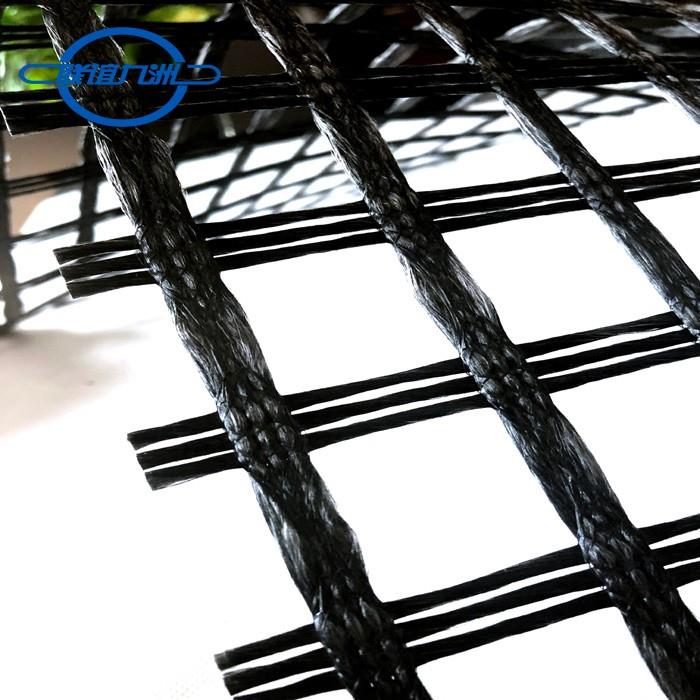

In some urban development projects, polyester geogrids have been used to create stable foundations for buildings. By using these geogrids, the construction process was more efficient, and less excavation was required. This meant less disruption to the local ecosystem and less energy was used in the construction process.
So, overall, is polyester geogrid environmentally friendly? Well, it's a bit of a mixed bag. On one hand, it has some environmental advantages like durability, energy - efficient production, and easy installation. On the other hand, there are challenges with disposal and the use of non - renewable resources. But compared to many other alternatives, it can still be a relatively good option, especially when considering the long - term benefits.
If you're involved in a civil engineering project and you're thinking about using polyester geogrids, I'd be more than happy to talk to you about it. We can discuss which type of geogrid would be the best fit for your specific needs, and how we can make the most environmentally - friendly choice possible. Whether it's a small landscaping project or a large - scale infrastructure development, we've got the expertise and the products to help you out.
In conclusion, while polyester geogrids aren't perfect from an environmental perspective, they do offer some significant benefits. And with ongoing research and development, there's hope that we can make them even more eco - friendly in the future. So, if you're looking for a reliable and potentially environmentally - conscious soil reinforcement solution, give polyester geogrids a closer look.
References
- "Geosynthetics in Civil Engineering" by Robert M. Koerner
- Industry reports on polyester production and environmental impact