


Joining two pieces of plastic net together is a common requirement in various industries, from construction and agriculture to landscaping and DIY projects. As a plastic net supplier, I've encountered numerous customers seeking effective methods to connect plastic nets for different applications. In this blog post, I'll share some of the most practical and reliable techniques for joining plastic nets, along with insights into choosing the right method based on your specific needs.
Understanding the Types of Plastic Nets
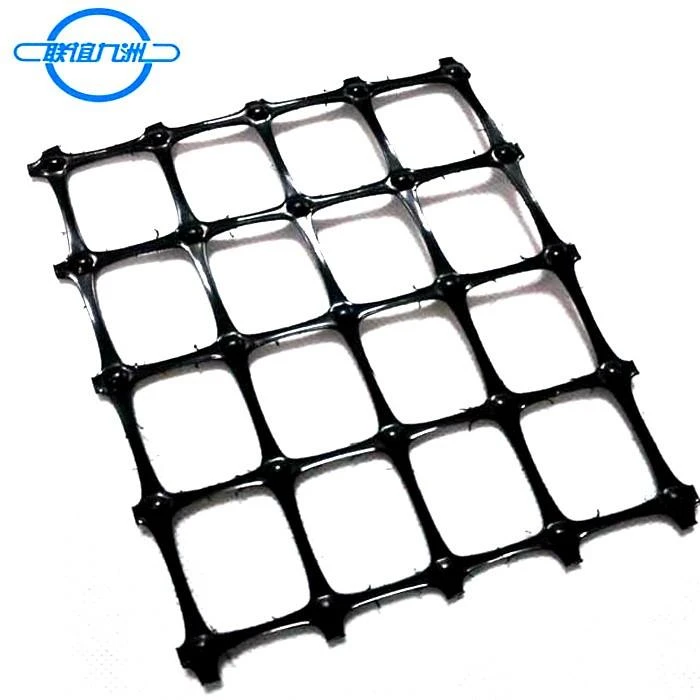
Before diving into the joining methods, it's essential to understand the different types of plastic nets available in the market. Some of the most common types include PP Biaxial Geogrid 20kn, Extruded Biaxial Geogrid, and Biaxial Plastic Geogrid. These nets are made from various plastics such as polypropylene (PP), polyethylene (PE), and PVC, each with its own unique properties and characteristics.
- Polypropylene (PP) Nets: PP nets are known for their high strength, durability, and resistance to chemicals and UV rays. They are commonly used in construction, agriculture, and geotechnical applications.
- Polyethylene (PE) Nets: PE nets are lightweight, flexible, and have good impact resistance. They are often used in packaging, fishing, and aquaculture.
- PVC Nets: PVC nets are resistant to moisture, mildew, and abrasion. They are commonly used in fencing, screening, and safety applications.
Factors to Consider When Joining Plastic Nets
When choosing a method to join two pieces of plastic net together, several factors need to be considered:
- Type of Plastic: Different plastics have different melting points and chemical properties, which can affect the joining process. For example, PP and PE nets can be joined using heat welding, while PVC nets may require a different approach.
- Strength Requirements: The strength of the joint depends on the application. For heavy-duty applications, a stronger joining method such as heat welding or mechanical fastening may be required.
- Environmental Conditions: If the plastic net will be exposed to harsh environmental conditions such as sunlight, moisture, or chemicals, a joining method that provides good resistance to these factors should be chosen.
- Appearance: In some applications, the appearance of the joint may be important. For example, in decorative or aesthetic applications, a seamless joining method may be preferred.
Methods for Joining Plastic Nets
There are several methods available for joining two pieces of plastic net together. The choice of method depends on the type of plastic, strength requirements, and environmental conditions. Here are some of the most common methods:
1. Heat Welding
Heat welding is a popular method for joining plastic nets made from thermoplastic materials such as PP and PE. This method involves heating the edges of the plastic net until they melt and then pressing them together to form a strong bond. Heat welding can be done using a variety of tools, including heat guns, hot air welders, and ultrasonic welders.
Advantages:
- Provides a strong and permanent bond.
- Resistant to environmental factors such as moisture and chemicals.
- Can be used for joining large pieces of plastic net.
Disadvantages:

- Requires specialized equipment and training.
- May damage the plastic net if the temperature is too high.
- Not suitable for all types of plastics.
2. Mechanical Fastening
Mechanical fastening involves using screws, bolts, rivets, or clips to join two pieces of plastic net together. This method is commonly used for joining plastic nets to other materials such as wood, metal, or concrete. Mechanical fastening provides a strong and reliable joint, but it may not be suitable for applications where a seamless joint is required.
Advantages:
- Easy to install and does not require specialized equipment.
- Can be used for joining different types of plastics and materials.
- Allows for easy disassembly and re-assembly if needed.
Disadvantages:
- May create weak points in the plastic net if the fasteners are not properly installed.
- The appearance of the joint may not be aesthetically pleasing.
- May not provide a waterproof or airtight seal.
3. Adhesive Bonding
Adhesive bonding involves using an adhesive to join two pieces of plastic net together. This method is suitable for joining plastic nets made from a variety of materials, including PP, PE, and PVC. Adhesive bonding can provide a strong and flexible joint, but it may not be suitable for applications where the joint will be exposed to high temperatures or chemicals.
Advantages:
- Easy to apply and does not require specialized equipment.
- Can be used for joining different types of plastics and materials.
- Provides a flexible and waterproof joint.
Disadvantages:
- The strength of the joint depends on the quality of the adhesive and the surface preparation.
- May take time to dry and cure.
- Some adhesives may emit harmful fumes during the application process.
4. Knotting
Knotting is a simple and traditional method for joining two pieces of plastic net together. This method involves tying the edges of the plastic net together using a knot. Knotting is suitable for joining plastic nets made from lightweight materials such as PE and PVC. It is commonly used in fishing, aquaculture, and DIY projects.
Advantages:
- Easy to do and does not require any tools.
- Can be used for joining different types of plastics and materials.
- Allows for easy adjustment and re-tying if needed.
Disadvantages:
- The strength of the joint depends on the type of knot used and the tension applied.
- May create weak points in the plastic net if the knot is not properly tied.
- The appearance of the joint may not be aesthetically pleasing.
Step-by-Step Guide to Joining Plastic Nets
Here is a step-by-step guide to joining two pieces of plastic net together using heat welding:
Materials and Tools:
- Plastic nets
- Heat gun or hot air welder
- Straightedge or ruler
- Scissors or utility knife
Steps:
- Prepare the Plastic Nets: Cut the edges of the plastic nets to be joined straight and clean using scissors or a utility knife. Make sure the edges are free from dirt, debris, and moisture.
- Align the Plastic Nets: Place the two pieces of plastic net together, aligning the edges as closely as possible. Use a straightedge or ruler to ensure a straight and even joint.
- Heat the Edges: Hold the heat gun or hot air welder about 1-2 inches away from the edges of the plastic net and move it back and forth evenly to heat the plastic. The plastic should start to melt and become soft.
- Press the Edges Together: Once the edges of the plastic net are melted, quickly press them together using a pair of pliers or a flat tool. Apply firm pressure for a few seconds to ensure a strong bond.
- Cool the Joint: Allow the joint to cool and harden for a few minutes before handling the plastic net. The joint should be strong and flexible.
Conclusion
Joining two pieces of plastic net together is a common requirement in various industries. The choice of joining method depends on the type of plastic, strength requirements, and environmental conditions. Heat welding, mechanical fastening, adhesive bonding, and knotting are some of the most common methods available. By understanding the different methods and factors to consider, you can choose the right method for your specific application.
As a plastic net supplier, we offer a wide range of high-quality plastic nets and provide professional advice on joining methods. If you have any questions or need further information, please feel free to contact us. We are committed to providing our customers with the best products and services, and we look forward to working with you on your next project.
References
- "Plastic Netting: A Comprehensive Guide" by Plastic Netting Association.
- "Heat Welding of Plastics" by Society of Plastics Engineers.
- "Adhesive Bonding of Plastics" by American Chemical Society.