


Soil conservation is a crucial aspect of maintaining a healthy and sustainable garden. As a supplier of Woven Polyester Geogrid, I've witnessed firsthand how this innovative product can significantly contribute to soil conservation efforts in gardens. In this blog, I'll delve into the various ways Woven Polyester Geogrid helps with soil conservation, providing you with a comprehensive understanding of its benefits and applications.
Understanding Woven Polyester Geogrid
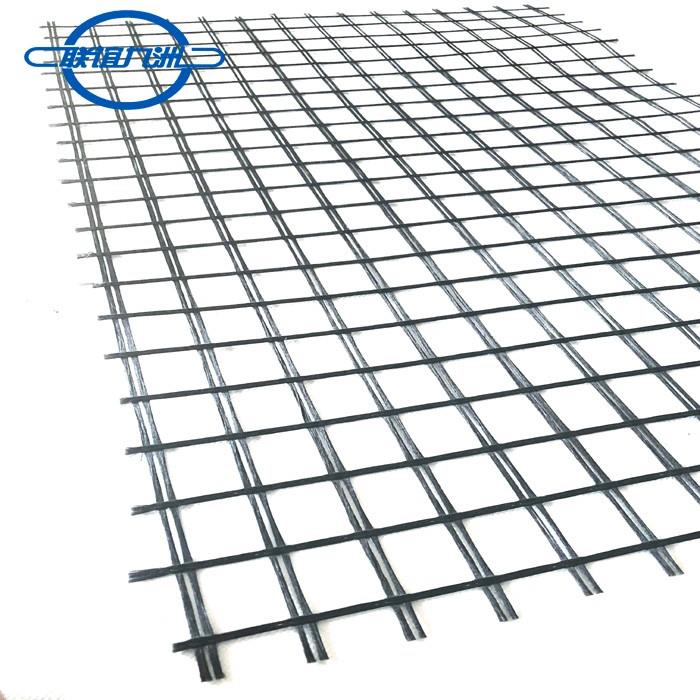
Before we explore how Woven Polyester Geogrid aids in soil conservation, let's first understand what it is. Woven Polyester Geogrid is a high - strength, flexible material made from polyester fibers that are woven together to form a grid - like structure. This unique design gives it excellent mechanical properties, such as high tensile strength and low creep, making it an ideal solution for a wide range of geotechnical applications, including garden soil conservation.
There are different types of geogrids available in the market, such as PET Geogrid, Polyester Biaxial Geogrid, and Polypropylene Woven Geogrid. Each type has its own characteristics, but Woven Polyester Geogrid stands out for its superior performance in soil - related applications.
Erosion Control
One of the primary ways Woven Polyester Geogrid helps with soil conservation in gardens is through erosion control. Erosion is a natural process where soil is displaced by water, wind, or other external forces. In a garden setting, heavy rainfall, strong winds, or improper watering can lead to soil erosion, which can wash away valuable topsoil, nutrients, and even damage plants.
Woven Polyester Geogrid acts as a stabilizing layer on the soil surface. When installed on slopes or areas prone to erosion, it holds the soil in place by distributing the forces exerted by water or wind over a larger area. The grid structure interlocks with the soil particles, preventing them from being easily washed or blown away. This is particularly beneficial in gardens with uneven terrain, where erosion is more likely to occur.
For example, if you have a garden on a hillside, the geogrid can be laid along the slope before planting. As the plants grow, their roots will penetrate through the grid, further enhancing the soil - geogrid - plant system's stability. This combination of the geogrid's mechanical support and the plants' root reinforcement helps to effectively control erosion and maintain the integrity of the soil.
Soil Reinforcement
In addition to erosion control, Woven Polyester Geogrid provides soil reinforcement. In gardens, the soil may need to support the weight of various structures, such as retaining walls, raised beds, or even heavy garden equipment. Over time, the soil can become compacted or settle unevenly, leading to structural instability.
The high - tensile strength of Woven Polyester Geogrid allows it to reinforce the soil, increasing its load - bearing capacity. When placed within the soil layers, the geogrid distributes the load more evenly, reducing the stress on the soil. This helps to prevent soil deformation and settlement, ensuring that the garden structures remain stable.
For instance, when constructing a retaining wall in your garden, the geogrid can be installed behind the wall as part of the backfill. The geogrid extends into the soil, creating a composite structure that resists the lateral pressure exerted by the soil. This not only strengthens the retaining wall but also protects the soil from being pushed out, maintaining the wall's functionality and the surrounding soil's stability.
Improved Drainage
Proper drainage is essential for healthy plant growth in gardens. Excess water in the soil can lead to waterlogging, which can suffocate plant roots and promote the growth of harmful fungi and bacteria. Woven Polyester Geogrid can play a role in improving soil drainage.
The open grid structure of the geogrid allows water to flow freely through the soil. It creates channels for water movement, preventing the formation of stagnant water pockets. As water infiltrates the soil, it can easily pass through the geogrid, reducing the risk of waterlogging.
In areas where the soil has a high clay content, which tends to have poor drainage, the geogrid can be particularly beneficial. By improving the soil's permeability, the geogrid helps to ensure that the plants receive the right amount of water and oxygen, promoting healthy root development and overall plant growth.
Weed Control
Weeds can be a nuisance in gardens, competing with plants for nutrients, water, and sunlight. Woven Polyester Geogrid can also contribute to weed control. When installed on the soil surface, the geogrid acts as a physical barrier, preventing weed seeds from reaching the soil and germinating.
The geogrid's tight grid structure makes it difficult for weed seedlings to penetrate through. Additionally, the geogrid can be covered with a layer of mulch, further enhancing its weed - blocking capabilities. This not only reduces the need for chemical weed killers but also helps to maintain a clean and tidy garden appearance.
Cost - Effectiveness and Long - Term Benefits
From a cost - effectiveness perspective, Woven Polyester Geogrid offers significant advantages. While the initial investment in the geogrid may seem like an added expense, its long - term benefits far outweigh the cost. By preventing soil erosion, reducing the need for frequent soil replacement, and minimizing damage to garden structures, the geogrid can save you money in the long run.
Moreover, Woven Polyester Geogrid is a durable material. It is resistant to environmental factors such as UV radiation, chemicals, and biological degradation. This means that it can last for many years in the garden, providing continuous soil conservation benefits without the need for frequent replacement.
Installation and Maintenance
Installing Woven Polyester Geogrid in your garden is a relatively straightforward process. First, the soil surface needs to be prepared by removing any debris, rocks, or large clumps of soil. The geogrid can then be unrolled and laid flat on the soil, ensuring that it is properly aligned and tensioned. The edges of the geogrid can be secured using stakes or pins to prevent it from shifting.
Maintenance of the geogrid is minimal. Once installed, it generally does not require any special care. However, it is important to periodically inspect the geogrid to ensure that it remains intact and properly installed. If any damage is detected, the affected area can be repaired or replaced as needed.
Conclusion
In conclusion, Woven Polyester Geogrid is a versatile and effective solution for soil conservation in gardens. Its ability to control erosion, reinforce the soil, improve drainage, and aid in weed control makes it an invaluable tool for gardeners. Whether you have a small backyard garden or a large landscape, the geogrid can help you maintain the health and stability of your soil, ensuring the long - term success of your gardening efforts.

If you're interested in learning more about how Woven Polyester Geogrid can benefit your garden or are looking to purchase our products, we'd be more than happy to assist you. Contact us to discuss your specific needs and start your journey towards a more sustainable and beautiful garden.
References
- Koerner, R. M. (2012). Designing with Geosynthetics. Pearson.
- Bonaparte, R., & Christopher, B. R. (2007). Geosynthetics in Civil and Environmental Engineering. Wiley.
- Greenwood, D. J., & Clough, G. W. (1994). Geosynthetics for Soil Reinforcement. Prentice Hall.