


As a supplier of Fiberglass Geocomposite, I've witnessed firsthand the remarkable versatility and effectiveness of these materials in various construction and engineering applications. One question that often arises among our clients and industry professionals is how the tensile strength of Fiberglass Geocomposite changes over time. In this blog post, I'll delve into this topic, exploring the factors that influence the long - term tensile strength of these materials and providing insights based on our experience and industry research.
Understanding Fiberglass Geocomposite
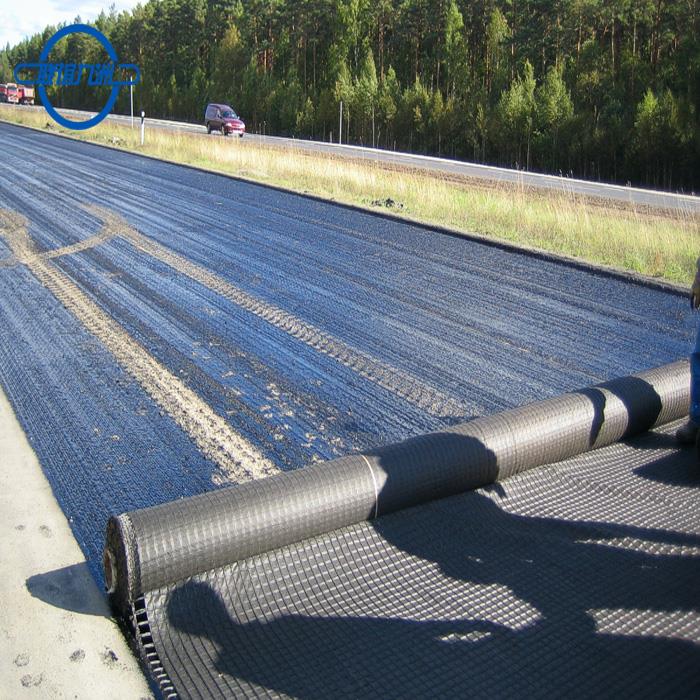
Fiberglass Geocomposite combines the strength and durability of fiberglass with the functionality of geosynthetic materials. These composites are used in a wide range of applications, including soil reinforcement, asphalt pavement reinforcement, and erosion control. Two popular products in our lineup are [Fiberglass Geogrids for Asphalt Pavement](/geocomposite/fiberglass - geocomposite/fiberglass - geogrids - for - asphalt - pavement.html) and [Fiberglass Composite Geotextile](/geocomposite/fiberglass - geocomposite/fiberglass - composite - geotextile.html). The [Asphalt Reinforcement Fiberglass Geogrids](/geocomposite/fiberglass - geocomposite/asphalt - fiberglass - geogrids.html) are particularly well - known for their ability to enhance the performance of asphalt pavements.

Initial Tensile Strength
When a Fiberglass Geocomposite is first installed, it typically exhibits high tensile strength. Fiberglass, the primary component of these composites, has inherent strength due to its molecular structure. The glass fibers are arranged in a way that allows them to resist pulling forces effectively. During the manufacturing process, the fiberglass is combined with other polymers or textiles to create a composite material that can withstand significant stress.
For example, in asphalt pavement reinforcement, the initial tensile strength of the Fiberglass Geocomposite helps to distribute the load more evenly across the pavement surface. This reduces the formation of cracks and rutting, extending the service life of the pavement.

Factors Affecting Tensile Strength Over Time
Environmental Conditions
One of the most significant factors that can affect the tensile strength of Fiberglass Geocomposite over time is the environment in which it is installed. Exposure to sunlight, specifically ultraviolet (UV) radiation, can cause degradation of the polymers and fibers in the composite. UV rays break down the chemical bonds in the materials, leading to a reduction in strength.
Temperature fluctuations also play a role. Extreme heat can cause the materials to expand, while cold temperatures can make them brittle. These thermal cycles can cause internal stresses within the composite, gradually weakening its structure. In regions with large temperature variations, the long - term performance of Fiberglass Geocomposite may be more affected compared to areas with a more stable climate.
Moisture is another environmental factor. Prolonged exposure to water can lead to the corrosion of the fiberglass and the degradation of the bonding agents in the composite. If the composite is installed in a wet environment or in an area prone to flooding, the tensile strength may decrease over time.
Chemical Exposure
Fiberglass Geocomposite may come into contact with various chemicals in different applications. For instance, in soil reinforcement projects, the composite may be exposed to acidic or alkaline substances in the soil. These chemicals can react with the materials in the composite, causing chemical degradation.
In industrial areas, the composite may be exposed to chemicals from manufacturing processes or waste disposal. These chemicals can penetrate the composite and weaken its structure, leading to a reduction in tensile strength.
Mechanical Stress
Over time, the Fiberglass Geocomposite will experience mechanical stress from normal use. In asphalt pavements, for example, the composite is subjected to the repeated loading of vehicles. This cyclic loading can cause fatigue in the materials, leading to micro - cracks and a gradual decrease in tensile strength.
In soil reinforcement applications, the composite may be exposed to soil movement, such as settlement or lateral displacement. These movements can put additional stress on the composite, affecting its long - term strength.
Monitoring Tensile Strength Over Time
To ensure the long - term performance of Fiberglass Geocomposite, it is essential to monitor its tensile strength over time. This can be done through regular inspections and testing. Non - destructive testing methods, such as ultrasonic testing and infrared thermography, can be used to detect internal damage and changes in the material's properties without causing significant disruption.
Destructive testing, such as tensile strength testing of sample specimens, can provide more accurate information about the current strength of the composite. However, this method requires taking samples from the installed material, which may not be feasible in all cases.
Maintaining Tensile Strength
To mitigate the factors that can reduce the tensile strength of Fiberglass Geocomposite over time, several measures can be taken.
Protective Coatings
Applying protective coatings to the composite can help to shield it from UV radiation, moisture, and chemical exposure. These coatings can form a barrier that prevents the environmental factors from reaching the underlying materials.
Proper Installation
Ensuring proper installation is crucial for maintaining the long - term strength of the composite. The composite should be installed according to the manufacturer's guidelines, with proper tensioning and anchoring. This helps to distribute the stress evenly across the material and reduces the likelihood of premature failure.

Regular Maintenance
Regular maintenance of the areas where the Fiberglass Geocomposite is installed can also help to preserve its strength. For example, in asphalt pavements, regular crack sealing and surface treatments can prevent water from penetrating the composite and causing damage.
Conclusion
The tensile strength of Fiberglass Geocomposite is a critical factor in its performance and durability. While the material typically starts with high tensile strength, it can be affected by various factors over time, including environmental conditions, chemical exposure, and mechanical stress. By understanding these factors and taking appropriate measures to monitor and maintain the composite, we can ensure its long - term effectiveness.
If you're considering using Fiberglass Geocomposite in your project and want to learn more about its long - term performance, or if you're interested in purchasing our products, we encourage you to reach out. Our team of experts is ready to assist you with any questions you may have and guide you through the selection and installation process.
References
- ASTM International. (Year). Standard test methods for tensile properties of geosynthetics. ASTM D4595.
- Koerner, R. M. (Year). Designing with geosynthetics. Prentice Hall.
- National Cooperative Highway Research Program. (Year). Geosynthetics in pavement systems: State of the art. NCHRP Report.