


Hey there! As a supplier of Polypropylene Geogrid, I've been getting a lot of questions lately about how the grid size of Polypropylene Geogrid affects its function. So, I thought I'd sit down and write a blog post to share some insights on this topic.
First off, let's talk about what Polypropylene Geogrid is. It's a type of geosynthetic material made from polypropylene, a thermoplastic polymer. It has a grid-like structure, which gives it unique properties that make it useful in a variety of applications, such as soil stabilization, road construction, and erosion control.
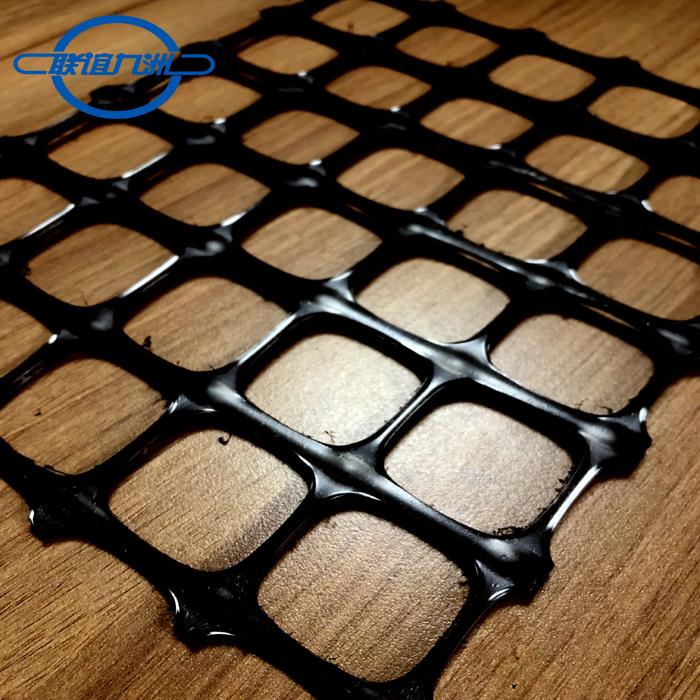
Now, the grid size of Polypropylene Geogrid is basically the distance between the adjacent ribs or strands in the grid. This size can vary quite a bit, and it plays a crucial role in determining how well the geogrid will work in different situations.
Small Grid Sizes
Let's start with small grid sizes. When the grid size is small, say less than 25mm, the geogrid has a higher number of contact points with the soil particles. This means it can provide better interlocking and reinforcement.
In soil stabilization projects, a small grid size is great for holding fine-grained soils together. For example, in areas where the soil is sandy or silty, a small grid geogrid can prevent the soil from shifting and spreading. It's like a net that catches all those tiny soil particles and keeps them in place.
In erosion control applications, small grid geogrids are also very effective. They can be placed on slopes to prevent soil from being washed away by rain or water runoff. The small openings in the grid allow water to pass through while still holding the soil firmly. We have a Plastic Net with a relatively small grid size that's perfect for these types of applications. It's lightweight and easy to install, making it a popular choice among contractors.
Medium Grid Sizes
Medium grid sizes, typically in the range of 25mm to 50mm, offer a good balance between interlocking and permeability. They can handle a wider range of soil types, including both fine-grained and coarse-grained soils.
In road construction, medium grid geogrids are often used to reinforce the base layer. The geogrid helps distribute the load from the traffic more evenly across the road surface. This reduces the stress on the underlying soil and can prevent the formation of cracks and potholes. Our Biaxial Geogrid 40kn with a medium grid size is a great option for road projects. It has enough strength to withstand heavy traffic loads while still providing good soil interaction.
Large Grid Sizes
Large grid sizes, over 50mm, are mainly used in applications where the geogrid needs to work with large particles or aggregates. For example, in retaining wall construction, large grid geogrids can be used to reinforce the backfill material. The large openings in the grid allow the large stones or gravel to pass through and interlock with the geogrid.
In some cases, large grid geogrids are also used in drainage applications. The large openings allow water to flow through more easily, which helps prevent waterlogging. Our PP Biaxial Geogrid BX1200 with a large grid size is suitable for these heavy-duty applications. It's strong and durable, and can handle the forces exerted by large particles and water flow.
Other Factors to Consider
Of course, the grid size isn't the only factor that affects the function of Polypropylene Geogrid. The tensile strength of the geogrid, the material properties of the polypropylene, and the installation method also play important roles.
For example, a geogrid with a high tensile strength will be able to withstand greater forces, regardless of the grid size. And proper installation is crucial to ensure that the geogrid performs as expected. If the geogrid isn't installed correctly, it may not provide the intended reinforcement or erosion control.
Conclusion
So, as you can see, the grid size of Polypropylene Geogrid has a significant impact on its function. Whether you need a small grid for fine-grained soil stabilization, a medium grid for road construction, or a large grid for heavy-duty applications, there's a Polypropylene Geogrid out there that's right for you.

If you're working on a project that requires Polypropylene Geogrid and you're not sure which grid size to choose, don't hesitate to reach out. We have a team of experts who can help you select the best geogrid for your specific needs. Whether it's about the grid size, tensile strength, or any other aspect, we're here to assist you. Just contact us to start the procurement discussion, and let's work together to make your project a success!
References
- Koerner, R. M. (2012). Designing with Geosynthetics. Pearson.
- Bonaparte, R., & Christopher, B. R. (1994). Geosynthetics in Civil Engineering. Wiley.