


Hey there! As a supplier of asphalt geogrid, I've seen firsthand how temperature can have a huge impact on its performance. In this blog, I'm gonna break down how different temperatures can affect asphalt geogrid and what you need to know to make the most of it.
High Temperatures and Asphalt Geogrid
Let's start with high temperatures. When it gets really hot outside, asphalt tends to soften up. This is where asphalt geogrid steps in to save the day. Asphalt geogrid is like a reinforcement net that helps keep the asphalt in place and prevents it from deforming under high - temperature stress.
At high temperatures, asphalt becomes more viscous and flows more easily. Without the support of asphalt geogrid, it can start to rut, which means it forms depressions in the road surface. These ruts can be a major safety hazard, especially for vehicles traveling at high speeds.
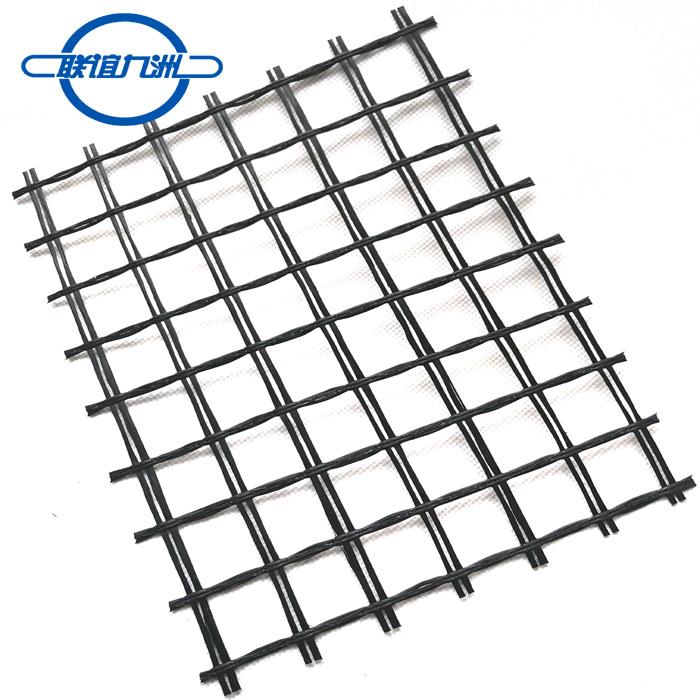
The Asphalt Coated Fiberglass Geogrid is a great option for high - temperature areas. The fiberglass in the geogrid has a high melting point and excellent dimensional stability. The asphalt coating not only protects the fiberglass from environmental factors but also helps it bond better with the asphalt layer. When the temperature rises, the geogrid provides a stable framework that restricts the lateral movement of the asphalt, reducing the likelihood of rutting.
Another advantage of using asphalt geogrid in high - temperature conditions is its ability to resist thermal expansion. As the asphalt heats up, it expands. The geogrid acts as a restraint, allowing the asphalt to expand in a more controlled manner. This helps prevent cracks from forming due to the stress caused by thermal expansion.
Low Temperatures and Asphalt Geogrid
Now, let's talk about low temperatures. When it's cold outside, asphalt becomes brittle. Cold temperatures can cause the asphalt to contract, and if the stress becomes too much, it can lead to cracking. This is where asphalt geogrid can also play a crucial role.
The Road Construction Fiberglass Geogrid is well - suited for low - temperature applications. Fiberglass has good flexibility even at low temperatures, which means it can bend with the asphalt as it contracts. The geogrid distributes the stress caused by the contraction over a larger area, reducing the concentration of stress at any one point.
In cold climates, the geogrid helps to prevent reflective cracking. Reflective cracking occurs when cracks in the underlying layer propagate through the new asphalt layer. The geogrid acts as a barrier, interrupting the crack path and preventing it from reaching the surface. This extends the lifespan of the asphalt pavement and reduces the need for frequent repairs.

Temperature Cycling and Asphalt Geogrid
In many regions, the temperature fluctuates between hot and cold throughout the year. This temperature cycling can be particularly tough on asphalt pavements. The repeated expansion and contraction of the asphalt can lead to fatigue cracking over time.
The Fiberglass Geogrid 100 Kn is a high - strength option that can withstand the stresses caused by temperature cycling. Its high tensile strength allows it to resist the repeated forces generated by the expansion and contraction of the asphalt.
During the hot season, it provides stability to prevent rutting, and during the cold season, it helps to prevent cracking. By using this type of geogrid, you can significantly improve the durability of the asphalt pavement in areas with extreme temperature variations.
Choosing the Right Asphalt Geogrid for Different Temperatures
When it comes to choosing the right asphalt geogrid for your project, you need to consider the local temperature conditions. If you're in a hot region, look for a geogrid with high - temperature resistance, like the asphalt - coated fiberglass geogrid. For cold areas, focus on geogrids that offer good flexibility at low temperatures.
It's also important to consider the installation process. Make sure that the geogrid is properly installed to ensure its effectiveness. A well - installed geogrid will have better contact with the asphalt layer, allowing it to perform its function optimally.
The Importance of Asphalt Geogrid in Temperature - Sensitive Applications
Asphalt geogrid is not just a nice - to - have; it's a necessity in many temperature - sensitive applications. In road construction, for example, a road that is exposed to extreme temperatures without proper reinforcement will deteriorate quickly. This means more frequent repairs, which can be costly and disruptive to traffic.
By using asphalt geogrid, you can extend the lifespan of the road, reduce maintenance costs, and improve safety. Whether it's a highway, a parking lot, or a residential street, the right asphalt geogrid can make a big difference in how well the asphalt pavement performs under different temperature conditions.
Conclusion
So, there you have it! Temperature has a significant impact on the performance of asphalt geogrid, but with the right type of geogrid, you can overcome the challenges posed by both high and low temperatures. Whether you're dealing with a sweltering summer or a freezing winter, asphalt geogrid can help keep your asphalt pavements in top shape.
If you're in the market for asphalt geogrid for your next project, I'd love to chat. We have a wide range of products to suit different temperature conditions and project requirements. Reach out to us, and let's discuss how we can help you get the best performance out of your asphalt pavement.
References
- Brown, S. F. (2018). Pavement Engineering: Principles and Practice. Wiley.
- Huang, Y. H. (2015). Pavement Analysis and Design. Pearson.
- Kandhal, P. S., & Mallick, R. B. (2002). Asphalt Paving Technology: A Handbook. NAPA Education Foundation.