


In the realm of road construction, the selection of appropriate materials is crucial for ensuring the longevity, durability, and overall performance of the roads. One material that has gained significant attention in recent years is PP non woven geotextile. As a supplier of PP non woven geotextile, I am often asked whether this material can be effectively used in road construction. In this blog post, I will delve into the properties, benefits, and applications of PP non woven geotextile in road construction to provide a comprehensive answer to this question.

Understanding PP Non Woven Geotextile
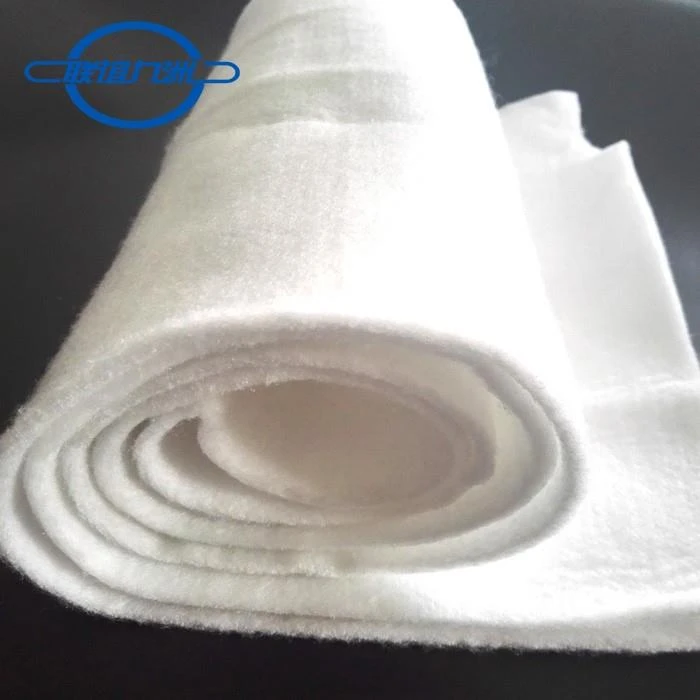
PP non woven geotextile is a synthetic material made from polypropylene fibers that are randomly arranged and bonded together through mechanical, thermal, or chemical processes. This non woven structure gives the geotextile unique properties such as high strength, puncture resistance, and excellent water permeability. There are different types of PP non woven geotextiles available in the market, including 12 Oz Non Woven Geotextile, PP Needle Punched Nonwoven Geotextile, and Polypropylene Non Woven Geotextile, each with its own set of characteristics and applications.
Properties of PP Non Woven Geotextile
- High Tensile Strength: PP non woven geotextile has a high tensile strength, which allows it to withstand the stresses and strains associated with road construction and traffic loads. This property makes it an ideal material for reinforcing soil and preventing soil erosion.
- Puncture Resistance: The non woven structure of PP geotextile provides excellent puncture resistance, protecting it from damage during installation and use. This is particularly important in road construction, where the geotextile may be exposed to sharp objects such as rocks and debris.
- Water Permeability: PP non woven geotextile is highly permeable to water, allowing it to effectively drain excess water from the road surface. This helps to prevent the formation of waterlogging, which can lead to the deterioration of the road structure.
- Chemical Resistance: Polypropylene is a chemically resistant material, making PP non woven geotextile resistant to a wide range of chemicals and environmental factors. This ensures the long - term durability of the geotextile in various road construction environments.
- UV Resistance: Many PP non woven geotextiles are treated to provide UV resistance, which helps to prevent degradation of the material when exposed to sunlight. This is essential for outdoor applications such as road construction.
Benefits of Using PP Non Woven Geotextile in Road Construction
- Separation: One of the primary functions of PP non woven geotextile in road construction is to separate different layers of materials. For example, it can be placed between the subgrade and the base course to prevent the intermixing of soil and aggregate. This helps to maintain the integrity of each layer and improves the overall performance of the road.
- Filtration: The water permeability of PP non woven geotextile allows it to act as a filter, preventing the loss of fine soil particles while allowing water to pass through. This is important for maintaining the stability of the road structure and preventing clogging of drainage systems.
- Reinforcement: The high tensile strength of PP non woven geotextile makes it an effective reinforcement material. It can be used to reinforce weak soils, increasing their load - bearing capacity and reducing the risk of road failure. This is especially useful in areas with poor soil conditions.
- Erosion Control: PP non woven geotextile can be used to control soil erosion along the road embankments. By covering the soil surface, it protects the soil from the impact of rainfall and runoff, preventing soil loss and maintaining the stability of the embankment.
- Cost - Effectiveness: Using PP non woven geotextile in road construction can be cost - effective in the long run. It can reduce the need for expensive soil replacement and maintenance, as well as extend the service life of the road.
Applications of PP Non Woven Geotextile in Road Construction
- Subgrade Stabilization: In areas with soft or unstable subgrades, PP non woven geotextile can be used to stabilize the soil. By placing the geotextile on the subgrade, it distributes the load more evenly, reducing the settlement of the road and improving its performance.
- Base Course Reinforcement: The geotextile can be incorporated into the base course of the road to enhance its strength and durability. This helps to prevent the formation of cracks and rutting, which are common problems in roads with heavy traffic.
- Drainage Systems: PP non woven geotextile is commonly used in road drainage systems. It can be used as a filter in French drains, preventing the clogging of the drain while allowing water to flow freely. It can also be used in subsurface drainage systems to improve the drainage efficiency of the road.
- Embankment Protection: Along road embankments, PP non woven geotextile can be used to protect the soil from erosion. It can be installed on the slope surface to prevent soil slippage and maintain the stability of the embankment.
Case Studies
There have been numerous successful applications of PP non woven geotextile in road construction projects around the world. For example, in a rural road project in a region with soft clay soil, the use of PP non woven geotextile for subgrade stabilization significantly reduced the settlement of the road. The geotextile distributed the traffic load more evenly, preventing the formation of deep ruts and cracks. As a result, the road required less maintenance and had a longer service life.
In another urban road project, PP non woven geotextile was used in the drainage system. The geotextile acted as a filter, preventing the entry of fine soil particles into the drainage pipes. This improved the drainage efficiency of the road and reduced the risk of waterlogging, especially during heavy rainfall.
Considerations for Using PP Non Woven Geotextile in Road Construction
- Material Selection: It is important to select the appropriate type and grade of PP non woven geotextile based on the specific requirements of the road construction project. Factors such as soil conditions, traffic volume, and environmental factors should be considered.
- Installation: Proper installation of PP non woven geotextile is crucial for its effectiveness. The geotextile should be installed smoothly and securely, with proper overlap and anchoring. Any damage to the geotextile during installation should be repaired immediately.
- Quality Control: Ensuring the quality of the PP non woven geotextile is essential. It is recommended to source the geotextile from a reliable supplier who can provide quality certificates and test reports.
Conclusion
In conclusion, PP non woven geotextile can indeed be effectively used in road construction. Its unique properties such as high tensile strength, puncture resistance, water permeability, and chemical resistance make it suitable for a variety of applications, including separation, filtration, reinforcement, and erosion control. By using PP non woven geotextile, road construction projects can benefit from improved performance, increased durability, and reduced maintenance costs.
If you are involved in a road construction project and are considering using PP non woven geotextile, I encourage you to contact us for more information. As a trusted supplier of high - quality PP non woven geotextile, we can provide you with the right product and technical support to meet your project requirements. Let's work together to build better and more sustainable roads.
References
- Koerner, R. M. (2012). Designing with Geosynthetics. Pearson.
- ASTM International. (2019). Standard Test Methods for Geotextiles. ASTM D4751 - 19.
- National Cooperative Highway Research Program (NCHRP). (2017). Geosynthetics in Highway Engineering. NCHRP Report 813.