


Hey there! As a supplier of Polyester Geogrid, I often get asked if this nifty product can be used in water conservancy projects. Well, let's dive right into it and find out.
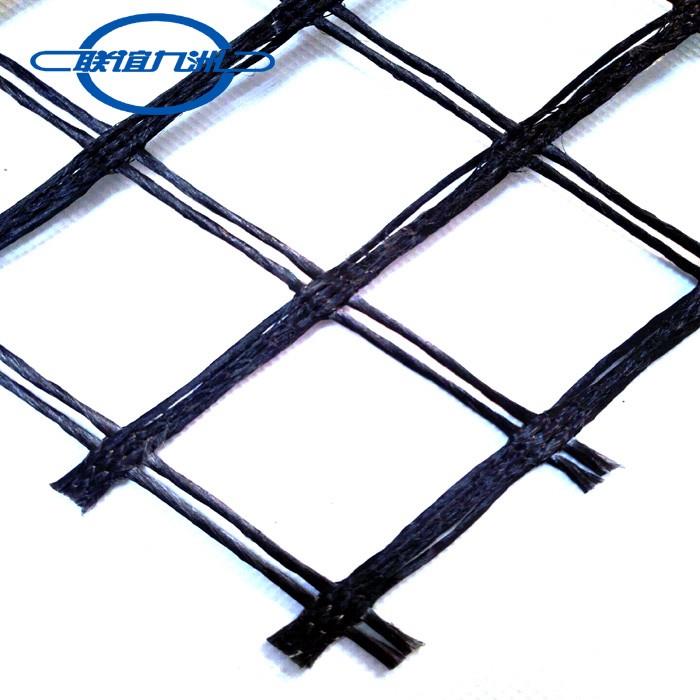
First off, what exactly is polyester geogrid? It's a synthetic material made from high - strength polyester yarns that are woven or knitted together and then coated to enhance its performance. This grid - like structure gives it some unique properties that make it quite versatile.
Properties of Polyester Geogrid
One of the key properties of polyester geogrid is its high tensile strength. It can withstand a significant amount of pulling force without breaking. This is crucial in water conservancy projects where the materials are often subjected to various stresses, like the pressure of water and the weight of soil or other structures.
Another great thing about it is its chemical resistance. Water in water conservancy projects can sometimes contain various chemicals, such as salts, acids, or alkalis. Polyester geogrid is resistant to these chemicals, which means it won't degrade easily over time. This ensures its long - term performance and durability in the harsh environment of water - related projects.
It also has good flexibility. This allows it to conform to the shape of the ground or the structure it's being used with. In water conservancy, the terrain can be uneven, and having a flexible material like polyester geogrid makes it easier to install and adapt to different conditions.
Applications in Water Conservancy Projects
Embankment Reinforcement
In water conservancy, embankments are used to hold back water. Polyester geogrid can be used to reinforce these embankments. When placed within the embankment, it distributes the load more evenly, reducing the risk of soil movement and slope failure. This is especially important during heavy rainfall or when the water level rises, as it helps maintain the stability of the embankment. You can check out Polyester Geogrid for Retaining Wall for more details on how it can be used in similar reinforcement applications.
Channel Lining
Channels are used to direct the flow of water in water conservancy projects. Polyester geogrid can be used as part of the channel lining system. It can be combined with other materials like geomembranes or concrete to create a more stable and durable lining. The geogrid provides additional strength and helps prevent the lining from cracking or being washed away by the flowing water.
Erosion Control
Erosion is a major problem in water conservancy. Water can erode the soil along the banks of rivers, lakes, or canals. Polyester geogrid can be used to control this erosion. By placing it on the soil surface, it holds the soil in place and reduces the impact of the flowing water. It also allows vegetation to grow through it, which further helps in stabilizing the soil and preventing erosion.
Comparison with Other Geogrids
There are other types of geogrids available in the market, like Polypropylene Woven Geogrid. While polypropylene woven geogrid is also used in some civil engineering projects, polyester geogrid has some advantages. Polyester geogrid generally has higher tensile strength and better chemical resistance compared to polypropylene woven geogrid. This makes it more suitable for the demanding conditions of water conservancy projects.
Another type is PVC Coated Polyester Geogrid. The PVC coating on the polyester geogrid provides an extra layer of protection against abrasion and chemicals. It can be a great option for water conservancy projects where the geogrid is likely to be in contact with rough surfaces or highly corrosive water.
Installation and Maintenance
Installing polyester geogrid in water conservancy projects is relatively straightforward. It can be laid out on the prepared surface and then secured using stakes or other fastening methods. However, it's important to ensure that the surface is clean and free of debris before installation to get the best results.
Maintenance of polyester geogrid is also quite easy. Since it's resistant to chemicals and has good durability, it doesn't require frequent replacement. Periodic inspections can be done to check for any signs of damage or displacement, but in general, it can serve its purpose for a long time with minimal upkeep.

Cost - Effectiveness
When it comes to cost - effectiveness, polyester geogrid is a great choice for water conservancy projects. Its long - term durability means that you won't have to replace it frequently, which saves on replacement costs. Also, its installation is relatively simple, which can reduce labor costs. In the long run, using polyester geogrid can be more economical compared to some other materials.
Conclusion
So, can polyester geogrid be used in water conservancy projects? Absolutely! Its high tensile strength, chemical resistance, flexibility, and cost - effectiveness make it a suitable material for a wide range of applications in water conservancy, from embankment reinforcement to erosion control.
If you're involved in a water conservancy project and are looking for a reliable geogrid solution, I'd highly recommend considering polyester geogrid. Whether you need it for a small - scale local project or a large - scale infrastructure development, we've got the right product for you. Don't hesitate to reach out if you want to discuss your specific requirements and start a procurement negotiation.
References
- "Geosynthetics in Civil Engineering" by Robert M. Koerner
- "Water Resources Engineering" by Larry W. Mays