


Polyester geogrid is a high - strength geosynthetic material made from polyester yarns, which are woven or knitted and then coated. As a supplier of polyester geogrid, I am often asked whether this material can be used in underground engineering. In this blog, I will explore the feasibility and advantages of using polyester geogrid in underground engineering.
Characteristics of Polyester Geogrid
Polyester geogrid has several unique properties that make it a potential candidate for underground engineering applications. Firstly, it has high tensile strength. The polyester yarns used in its production have excellent mechanical properties, allowing the geogrid to withstand large pulling forces. This is crucial in underground engineering where the soil and structures may be subjected to various stresses, such as the weight of overlying soil, water pressure, and seismic forces.
Secondly, polyester geogrid has good creep resistance. Creep is the tendency of a material to deform slowly over time under a constant load. In underground engineering, long - term stability is essential, and the low creep rate of polyester geogrid ensures that it can maintain its shape and performance over an extended period.
Another important characteristic is its chemical resistance. Underground environments can be harsh, with the presence of various chemicals in the soil and groundwater. Polyester geogrid is resistant to many chemicals, including acids, alkalis, and salts, which helps to protect it from corrosion and degradation.
Applications of Polyester Geogrid in Underground Engineering
Tunnel Construction
In tunnel construction, polyester geogrid can be used to reinforce the surrounding soil. When a tunnel is excavated, the soil around it is disturbed, and there is a risk of collapse. By installing polyester geogrid in the soil, the geogrid can interact with the soil particles, increasing the soil's shear strength and stability. For example, the geogrid can be placed in layers behind the tunnel lining to form a composite structure with the soil. This composite structure can effectively resist the lateral pressure of the soil and reduce the deformation of the tunnel.
Underground Pipeline Installation
When laying underground pipelines, the soil around the pipelines needs to be stable to prevent the pipelines from being damaged. Polyester geogrid can be used to reinforce the soil bedding of the pipelines. By placing the geogrid under and around the pipelines, it can distribute the load from the pipelines to a larger area of the soil, reducing the stress on the soil directly beneath the pipelines. This helps to prevent soil settlement and pipeline deformation. Moreover, the geogrid's high - strength and chemical - resistant properties can protect the pipelines from external damage and chemical corrosion.
Foundation Reinforcement in Basements
For basement construction, the foundation needs to support the weight of the building above. Polyester geogrid can be incorporated into the foundation soil to improve its bearing capacity. The geogrid can be placed in the sub - base layer of the foundation. As the load is applied to the foundation, the geogrid distributes the load evenly, reducing the stress concentration in the soil. This can prevent the occurrence of differential settlement, which is a common problem in basement foundations.
Comparison with Other Geogrids
There are other types of geogrids available in the market, such as Polypropylene Woven Geogrid. While polypropylene woven geogrid is also widely used in geotechnical engineering, polyester geogrid has some advantages. Polyester geogrid generally has higher tensile strength and better creep resistance compared to polypropylene woven geogrid. In underground engineering, where long - term stability and high - strength performance are required, polyester geogrid may be a more suitable choice.
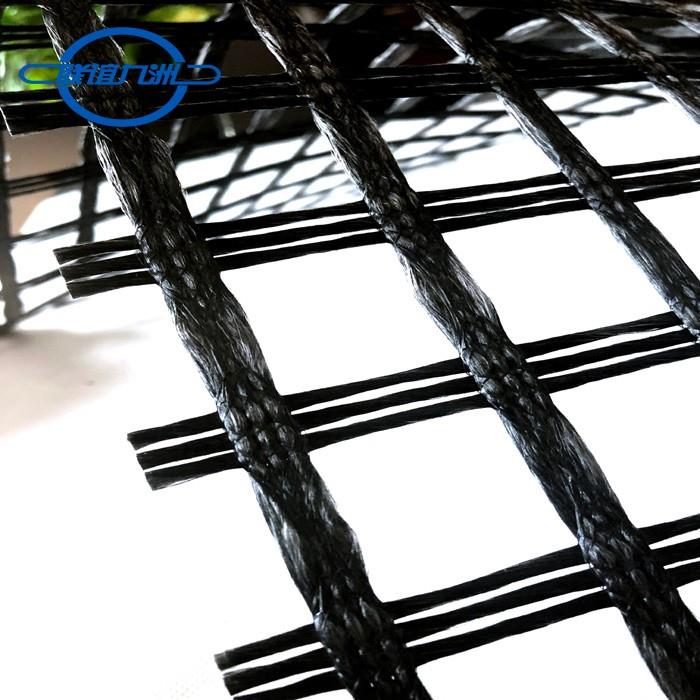
Another type of geogrid is PVC Coated Polyester Geogrid. The PVC coating on the polyester geogrid provides additional protection against environmental factors. It can further enhance the geogrid's chemical resistance and durability, making it even more suitable for harsh underground environments.
Considerations for Using Polyester Geogrid in Underground Engineering
Although polyester geogrid has many advantages for underground engineering, there are also some considerations. Firstly, proper installation is crucial. The geogrid needs to be installed correctly to ensure its full performance. It should be laid flat and securely fixed in the soil. Any wrinkles or loose parts in the geogrid can reduce its effectiveness.
Secondly, the design of the geogrid reinforcement system needs to be carefully planned. Factors such as the soil properties, the load conditions, and the engineering requirements should be taken into account. For example, in a soft soil area, a higher - strength geogrid may be required, and the spacing between the geogrid layers may need to be adjusted accordingly.
Case Studies
There have been many successful cases of using polyester geogrid in underground engineering. In a large - scale tunnel project in a mountainous area, polyester geogrid was used to reinforce the surrounding soil. After several years of operation, the tunnel showed no signs of significant deformation or damage. The geogrid effectively enhanced the soil's stability and withstood the complex geological conditions and seismic forces in the area.

In a basement construction project in a coastal city, polyester geogrid was used for foundation reinforcement. The soil in the area was soft and had a high water content. By incorporating the geogrid into the foundation soil, the bearing capacity of the foundation was significantly improved, and differential settlement was effectively controlled.
Polyester Geogrid for Retaining Wall in Underground Engineering
In underground engineering, retaining walls are often used to support the soil and prevent its collapse. Polyester Geogrid for Retaining Wall can play an important role in this application. The geogrid can be used to reinforce the backfill soil behind the retaining wall. It can increase the shear strength of the soil and form a composite structure with the retaining wall. This composite structure can resist the lateral earth pressure more effectively, improving the stability of the retaining wall.
Conclusion
In conclusion, polyester geogrid can be effectively used in underground engineering. Its high tensile strength, good creep resistance, and chemical resistance make it suitable for various underground applications, such as tunnel construction, underground pipeline installation, and basement foundation reinforcement. Compared with other geogrids, it has some unique advantages. However, proper installation and careful design of the reinforcement system are necessary to ensure its optimal performance.
If you are involved in an underground engineering project and are considering using polyester geogrid, we are here to provide you with high - quality products and professional technical support. Feel free to contact us to discuss your specific requirements and start a procurement negotiation.
References
- Koerner, R. M. (2012). Designing with Geosynthetics. Pearson.
- ASTM D6637/D6637M - 18, Standard Specification for Geogrid for Reinforcement of Soil and Other Granular Materials.
- FHWA (Federal Highway Administration). (2008). Geosynthetics in Highway Construction.