


Can Fiberglass Geocomposite be used in marine engineering?
Hey there! I'm a supplier of fiberglass geocomposite, and I often get asked whether this material can be used in marine engineering. Well, let's dive right into it and explore the potential of fiberglass geocomposite in the challenging marine environment.
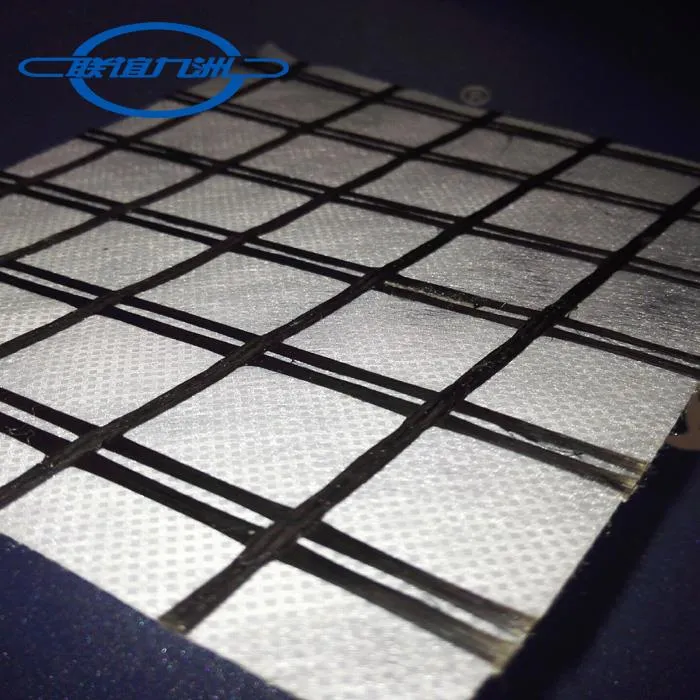
First off, what exactly is fiberglass geocomposite? It's a combination of fiberglass materials with other geosynthetic components. We've got different types like the Fiberglass Composite Geotextile, Fiberglass Geogrids for Asphalt Pavement, and Fiberglass Geogrid Stitched with Geotextile. Each type has its own unique properties and potential applications.
One of the key factors to consider in marine engineering is the harsh environment. The sea is a tough place, with saltwater corrosion, strong waves, and varying water levels. Fiberglass, however, has some great features that make it a promising candidate for marine use.

Fiberglass is highly resistant to corrosion. Saltwater can eat away at many materials over time, but fiberglass holds up well. This means that fiberglass geocomposite structures in the marine environment are likely to have a longer lifespan compared to some traditional materials. For example, if we're talking about building coastal protection structures like breakwaters or seawalls, the corrosion - resistant nature of fiberglass geocomposite can reduce maintenance costs and ensure the long - term stability of the structure.
Another advantage is its strength - to - weight ratio. Fiberglass geocomposite is relatively lightweight but can still provide significant strength. This is crucial in marine engineering, where it might be necessary to transport and install materials in difficult - to - reach locations. The lighter weight makes handling and installation easier, which can save time and money during the construction process.
In terms of filtration and separation, fiberglass geocomposite can be very useful. In marine projects such as beach nourishment or sediment control, it can act as a filter to prevent the mixing of different soil layers or the loss of fine particles. The Fiberglass Composite Geotextile is particularly good at this job. It allows water to pass through while retaining soil particles, helping to maintain the integrity of the coastal ecosystem.
When it comes to reinforcement, fiberglass geogrids are a great option. The Fiberglass Geogrids for Asphalt Pavement can also be adapted for marine applications. They can reinforce soil or other materials in marine structures, improving their load - bearing capacity. For instance, in the construction of jetties or piers, the use of fiberglass geogrids can enhance the stability of the foundation and prevent soil movement.
The Fiberglass Geogrid Stitched with Geotextile combines the reinforcement properties of the geogrid with the filtration and separation capabilities of the geotextile. This dual - function material can be extremely useful in marine projects where multiple functions are required, such as in the construction of artificial reefs. It can help to create a stable structure while also promoting the growth of marine organisms by providing a suitable substrate.
However, it's not all sunshine and rainbows. There are also some challenges when using fiberglass geocomposite in marine engineering. One of the main concerns is the long - term durability under extreme wave and current conditions. Although fiberglass is strong, the constant pounding of waves can cause wear and tear over time. We need to ensure that the material is properly designed and installed to withstand these forces.
Another issue is the interaction with marine organisms. Some marine creatures might attach themselves to the fiberglass geocomposite, which could potentially affect its performance. For example, the growth of barnacles or algae on the surface of the material might increase drag or cause blockages in the filtration system.
Despite these challenges, I believe that fiberglass geocomposite has a lot of potential in marine engineering. With proper research and development, we can overcome these obstacles and make the most of this versatile material.
In conclusion, fiberglass geocomposite can definitely be used in marine engineering. Its corrosion resistance, strength - to - weight ratio, and multi - functional capabilities make it a valuable option for a wide range of marine projects. Whether it's coastal protection, sediment control, or the construction of marine structures, fiberglass geocomposite has the potential to play a significant role.
If you're involved in a marine engineering project and are interested in using fiberglass geocomposite, I'd love to have a chat with you. We can discuss your specific needs, the best type of fiberglass geocomposite for your project, and how we can work together to make your project a success. Reach out to me to start the conversation and explore the possibilities of using our high - quality fiberglass geocomposite materials.
References
- ASTM standards related to fiberglass geocomposite materials
- Journal articles on the use of geosynthetics in marine engineering