


Can Biaxial Geogrid 40kn be used in coastal areas?
As a supplier of Biaxial Geogrid 40kn, I often receive inquiries from customers about the suitability of our product for specific applications, especially in challenging environments like coastal areas. In this blog post, I'll explore the feasibility of using Biaxial Geogrid 40kn in coastal regions, taking into account the unique conditions and requirements of such areas.
Understanding Biaxial Geogrid 40kn
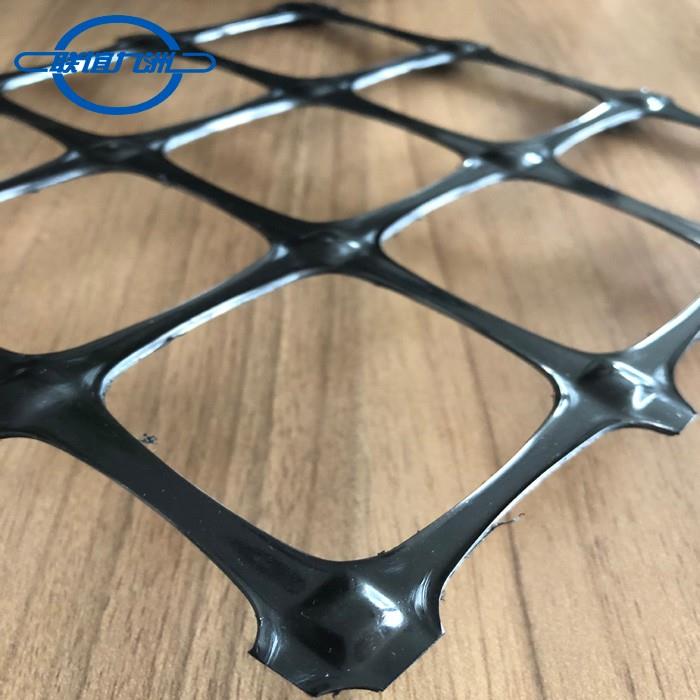
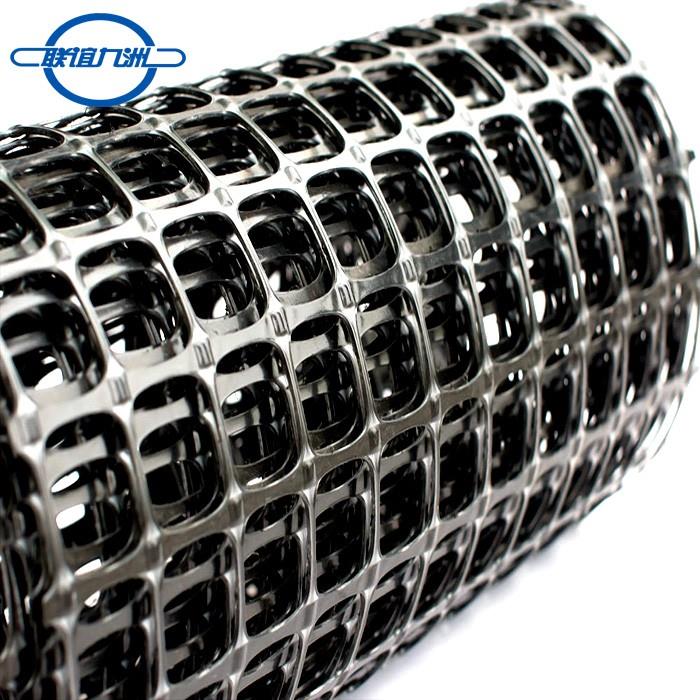
Before delving into its use in coastal areas, let's first understand what Biaxial Geogrid 40kn is. Biaxial Geogrid 40kn is a type of geosynthetic material made from high - strength polymers, typically polypropylene. This particular geogrid is designed with a biaxial structure, meaning it provides equal strength in both the machine - direction and the cross - direction. The "40kn" refers to its tensile strength, which is a measure of the grid's ability to resist pulling forces.
Polypropylene Geogrid offers several advantages. It is lightweight, easy to handle and install, and has excellent chemical resistance. Its open - mesh structure allows for effective soil interlocking, which enhances the stability of soil masses and improves load - distribution capabilities.
Coastal Area Conditions
Coastal areas present a set of unique environmental challenges that any construction material must be able to withstand. These challenges include:
- High Moisture and Salinity: The constant presence of saltwater and high humidity can cause corrosion and degradation of many materials. Saltwater contains a variety of corrosive elements such as chloride ions, which can attack the molecular structure of materials over time.
- Erosion: Coastal areas are prone to erosion due to the action of waves, tides, and storms. The force of the water can wash away soil and destabilize structures.
- Dynamic Loading: Waves and storms impose dynamic loads on coastal structures and the soil beneath them. These loads can cause soil settlement and deformation, which need to be managed effectively to ensure the long - term stability of any construction.
- Temperature Variation: Coastal areas often experience significant temperature changes between day and night, as well as seasonal variations. These temperature fluctuations can cause expansion and contraction of materials, potentially leading to structural failure.
Suitability of Biaxial Geogrid 40kn in Coastal Areas
-
Corrosion Resistance
Polypropylene, the material used in Plastic Biaxial Geogrid, is inherently resistant to corrosion from saltwater and other chemical agents commonly found in coastal environments. Unlike metals, which can rust and deteriorate quickly in saline conditions, polypropylene geogrid maintains its structural integrity over a long period. This makes it a reliable choice for use in coastal areas where the grid will be in constant contact with salt - laden soil and water. -
Erosion Control
The open - mesh structure of Biaxial Geogrid 40kn allows soil particles to interlock within the grid. When installed in the soil, it acts as a reinforcement, increasing the soil's shear strength and resistance to erosion. In coastal areas, this can be particularly beneficial for protecting beaches, dunes, and shorelines from the erosive forces of waves and tides. The geogrid helps to hold the soil in place, reducing the amount of sediment that is washed away and maintaining the stability of the coastal landscape. -
Load - Distribution and Settlement Control
Coastal construction projects, such as ports, marinas, and coastal roads, often require effective load - distribution to prevent soil settlement. Biaxial Geogrid 40kn can distribute loads more evenly across the soil, reducing the stress on any single point. This helps to minimize differential settlement, which is a common problem in coastal areas where the soil may be soft or have variable properties. By improving the load - bearing capacity of the soil, the geogrid ensures the long - term stability of coastal structures. -
Temperature Resistance
Polypropylene has a relatively wide temperature tolerance. It can withstand the temperature variations commonly experienced in coastal areas without significant loss of strength or performance. This means that the Biaxial Geogrid 40kn will not become brittle in cold temperatures or deform under high - temperature conditions, ensuring its reliability throughout the year.
Case Studies
There are several real - world examples that demonstrate the successful use of Biaxial Geogrid 40kn in coastal areas. In a coastal road project in a tropical region, the geogrid was used to reinforce the sub - base of the road. The area was prone to heavy rainfall and strong sea breezes, which could cause soil erosion and instability. By installing the Biaxial Geogrid 40kn, the project team was able to improve the load - bearing capacity of the soil and prevent erosion. The road has remained stable for several years, even during periods of extreme weather.
In another case, a beach restoration project used the geogrid to stabilize sand dunes. The geogrid was placed in the sand at a specific depth, creating a reinforcement layer. Over time, vegetation grew through the grid, further enhancing the stability of the dunes. This not only protected the beach from erosion but also provided a natural habitat for local wildlife.
Installation Considerations in Coastal Areas
When installing Biaxial Geogrid 40kn in coastal areas, a few additional considerations should be taken into account.
- Proper Anchoring: To ensure the geogrid remains in place, it should be properly anchored. This can be done using stakes or other anchoring devices, especially in areas prone to high - energy waves and strong winds.
- Overlap and Seaming: The geogrid panels should be overlapped and seamed correctly to create a continuous reinforcement layer. This helps to distribute loads evenly and prevent any weak points in the system.
- Protection During Installation: During the installation process, the geogrid should be protected from damage. This may involve covering the geogrid with a layer of soil or sand immediately after installation to prevent UV degradation and physical damage from construction equipment.
Conclusion
In conclusion, Biaxial Geogrid 40kn is a viable option for use in coastal areas. Its corrosion resistance, erosion control capabilities, load - distribution properties, and temperature resistance make it well - suited to withstand the challenging environmental conditions found in coastal regions. With proper installation and maintenance, it can significantly enhance the stability and longevity of coastal construction projects.
If you are considering a project in a coastal area and are interested in learning more about how Biaxial Geogrid 40kn can meet your needs, I encourage you to contact us. Our team of experts can provide you with detailed information, technical support, and guidance on the best application of our product for your specific project. Start a discussion with us to see how we can contribute to the success of your coastal development.
References
- Koerner, R. M. (2012). Designing with Geosynthetics. Wiley.
- National Cooperative Highway Research Program (NCHRP). (2001). Geosynthetics in Transportation Applications. Transportation Research Board.
- ASTM International. (2019). Standard Specification for Geogrids for Geotechnical Applications. ASTM D6637.