


What is the thickness range of PET non woven geotextile?
As a supplier of PET Non Woven Geotextile, I've encountered numerous inquiries regarding the thickness range of our products. Understanding the appropriate thickness is crucial as it directly impacts the performance and suitability of the geotextile for various applications. In this blog, I'll delve into the factors influencing the thickness of PET non woven geotextile, its typical thickness range, and how it relates to different uses.
Factors Influencing the Thickness of PET Non Woven Geotextile
Several factors play a role in determining the thickness of PET non woven geotextile. One of the primary factors is the intended application. Different projects have varying requirements in terms of strength, filtration, and separation capabilities, which are closely related to the thickness of the geotextile.
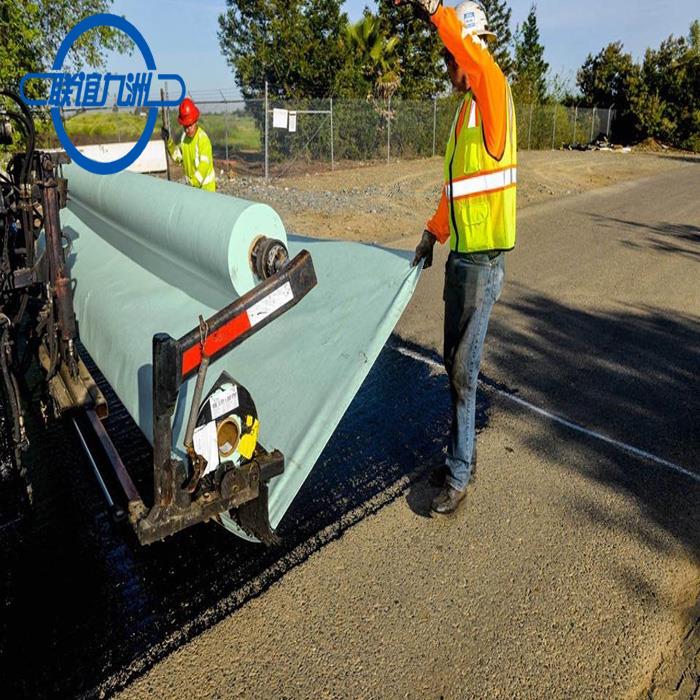
For instance, in road construction, geotextiles are used to separate different layers of soil and aggregate, prevent intermixing, and provide reinforcement. A thicker geotextile can offer better separation and reinforcement, especially in high - traffic areas or where the soil conditions are poor. On the other hand, in drainage applications, the focus may be more on the permeability of the geotextile, and a thinner but highly permeable product might be sufficient.
The manufacturing process also has a significant impact on the thickness. In the production of PET non woven geotextile, the fiber density, bonding method, and the amount of raw material used per unit area all contribute to the final thickness. Higher fiber density generally results in a thicker geotextile, while different bonding techniques such as thermal bonding or needle - punching can affect the compactness and thus the thickness of the material.
Typical Thickness Range of PET Non Woven Geotextile
The thickness of PET non woven geotextile can vary widely depending on the specific product and its application. Generally, the thickness can range from approximately 0.5 mm to 5 mm.
For lightweight applications such as erosion control on slopes or as a temporary separation layer in landscaping projects, thinner geotextiles in the range of 0.5 - 1.5 mm are often used. These thinner products are cost - effective and can still provide adequate protection against soil erosion and basic separation functions.
In more demanding applications like landfill liners or heavy - duty road construction, thicker geotextiles with a thickness of 2 - 5 mm are preferred. The additional thickness provides enhanced strength, durability, and better resistance to puncture and tearing. For example, in landfill applications, the geotextile needs to withstand the weight of the waste and prevent the migration of contaminants, so a thicker and more robust product is necessary.
Thickness and Performance
The thickness of PET non woven geotextile is closely related to its performance characteristics. A thicker geotextile typically has higher tensile strength, which means it can withstand greater forces without breaking. This is particularly important in applications where the geotextile is under tension, such as in soil reinforcement projects.
Thicker geotextiles also tend to have better filtration properties. They can effectively filter out fine particles while allowing water to pass through, which is essential in drainage systems. The increased thickness provides more layers of fibers to trap the particles, reducing the risk of clogging and ensuring long - term performance.

However, it's important to note that thickness is not the only factor determining performance. Other properties such as the porosity, fiber type, and surface characteristics also play a significant role. For example, a thinner geotextile with a well - designed pore structure can have similar or even better permeability than a thicker one with a less optimized structure.
Applications and Recommended Thickness
Let's take a closer look at some common applications of PET non woven geotextile and the recommended thickness for each:
-
Road Construction: In road construction, the geotextile is used to separate the subgrade from the base course, prevent pumping of fine particles, and provide reinforcement. For light - traffic roads, a geotextile with a thickness of 1.5 - 2 mm may be sufficient. However, for heavy - traffic highways or roads built on soft soils, a thickness of 2 - 3 mm or even thicker may be required. You can find more information about Road Construction Geotextile Fabric.
-
Drainage Systems: In drainage applications, the primary function of the geotextile is to allow water to pass through while preventing the entry of soil particles. A thickness of 1 - 2 mm is usually adequate, as long as the geotextile has high permeability. The key is to ensure that the pore size is appropriate for the specific soil conditions and the drainage requirements.
-
Landfill Liners: Landfill liners need to be highly durable and resistant to chemical attack. Thicker geotextiles in the range of 3 - 5 mm are commonly used to provide a reliable barrier against the migration of leachate and to protect the underlying liner system.
-
Erosion Control: For erosion control on slopes, a thinner geotextile of 0.5 - 1.5 mm can be used. These geotextiles help to stabilize the soil, prevent surface runoff, and promote vegetation growth. They are easy to install and can quickly establish a protective layer on the slope.
Choosing the Right Thickness
When choosing the thickness of PET non woven geotextile for a specific project, it's essential to consider the following factors:
- Project Requirements: Clearly define the purpose of the geotextile in the project, such as separation, reinforcement, filtration, or erosion control. This will help determine the minimum performance requirements and the appropriate thickness range.
- Soil Conditions: The type of soil, its particle size distribution, and its strength characteristics can influence the choice of thickness. For example, in soft or cohesive soils, a thicker geotextile may be needed for better reinforcement.
- Budget: Thicker geotextiles are generally more expensive than thinner ones. It's important to balance the performance requirements with the budget constraints of the project.
Conclusion
In conclusion, the thickness range of PET non woven geotextile is quite broad, typically ranging from 0.5 mm to 5 mm. The choice of thickness depends on various factors, including the application, soil conditions, and budget. As a supplier, we offer a wide range of Non Woven Geotextile Fabric and PET Continuous Filament Nonwoven Geotextile products with different thicknesses to meet the diverse needs of our customers.
If you are planning a project that requires PET non woven geotextile and need assistance in choosing the right thickness or product, please feel free to contact us. Our team of experts is ready to provide you with professional advice and high - quality products to ensure the success of your project.
References
- Koerner, R. M. (2012). Designing with Geosynthetics. Pearson.
- ASTM International. (2021). Standards related to geotextiles and geosynthetics. ASTM.