


Hey there! As a supplier of Biaxial Geogrid, I often get asked about the flexural strength of this amazing product. So, let's dive right in and explore what flexural strength is all about when it comes to biaxial geogrid.
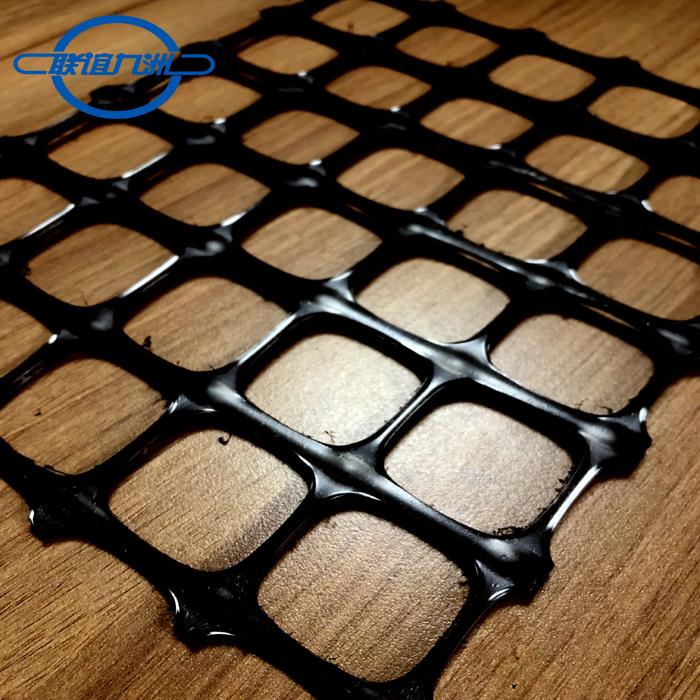
First off, what the heck is biaxial geogrid? Well, it's a type of geosynthetic material made from high - density polyethylene or polypropylene. It has a grid - like structure with apertures, and it's used in a bunch of civil engineering applications. You can check out Plastic Biaxial Geogrid on our website to get a better idea of what it looks like and its general features.
Now, onto flexural strength. Flexural strength is basically the ability of a material to resist deformation under bending. When we talk about biaxial geogrid, this property is super important because in real - world applications, the geogrid often has to withstand loads that cause it to bend.
Imagine you're using biaxial geogrid in a road construction project. The weight of the traffic on the road creates forces that can bend the geogrid. If the geogrid doesn't have sufficient flexural strength, it'll start to deform, and that can lead to a whole bunch of problems. The road surface might crack, or the overall stability of the structure could be compromised.
The flexural strength of biaxial geogrid depends on several factors. One of the main factors is the material it's made from. For example, polypropylene (PP) biaxial geogrids are known for their good mechanical properties. Our PP Biaxial Geogrid 20kn is made from high - quality polypropylene, which gives it a decent flexural strength. The manufacturing process also plays a crucial role. The way the grid is extruded, stretched, and formed can significantly affect its flexural strength.
Another factor is the design of the geogrid. The size of the apertures and the thickness of the ribs in the grid structure matter a lot. A geogrid with smaller apertures and thicker ribs generally has better flexural strength. This is because the smaller apertures distribute the load more evenly across the grid, and the thicker ribs can better resist the bending forces.
Let's talk about how we measure the flexural strength of biaxial geogrid. There are standardized test methods for this. Usually, a sample of the geogrid is placed on two supports, and a load is applied at the center until the geogrid starts to bend or break. The load at which this happens is then used to calculate the flexural strength.
In different applications, the required flexural strength of biaxial geogrid varies. For light - traffic roads or temporary construction sites, a lower flexural strength geogrid might be sufficient. But for heavy - traffic highways or large - scale infrastructure projects, you'll need a geogrid with a higher flexural strength, like our Biaxial Geogrid 40kn.
One of the benefits of having a biaxial geogrid with good flexural strength is that it can reduce the amount of maintenance needed. Since it can better withstand bending forces, it won't wear out as quickly. This means less time and money spent on repairing or replacing the geogrid over the life of the project.
Also, a geogrid with high flexural strength can improve the overall performance of the structure it's used in. In soil stabilization projects, for example, it can prevent soil movement and erosion more effectively. This is because it can maintain its shape and integrity even when the soil around it is under stress.

When you're choosing a biaxial geogrid for your project, don't just focus on the flexural strength alone. You also need to consider other properties like tensile strength, chemical resistance, and durability. But flexural strength is definitely an important factor that can't be ignored.
So, if you're in the market for biaxial geogrid and you're not sure which one to choose based on the flexural strength requirements of your project, don't worry. We're here to help. Our team of experts can guide you through the selection process and make sure you get the right product for your needs.
Whether you're working on a small residential project or a large - scale commercial development, having the right biaxial geogrid with the appropriate flexural strength is essential for the success of your project.
If you're interested in learning more or want to start a conversation about purchasing biaxial geogrid, feel free to reach out. We're always ready to have a chat about how our products can meet your project requirements.
References:
- ASTM D6637 - Standard Test Method for Determining the Tensile Properties of Geogrids
- Geosynthetics Institute publications on geogrid performance and properties