


Slope instability is a common geological problem that can lead to landslides, soil erosion, and infrastructure damage. To address this issue, various slope reinforcement techniques have been developed over the years. One such effective solution is the use of biaxial geogrids, specifically the Biaxial Geogrid 40kn. As a supplier of Biaxial Geogrid 40kn, I am well - versed in its properties and the significant impact it has on slope reinforcement.
Understanding Biaxial Geogrid 40kn
Biaxial geogrids are made from high - density polyethylene (HDPE) or polypropylene (PP) materials. The "biaxial" nature means that they have strength in both the machine direction (MD) and the transverse direction (TD). The "40kn" refers to the tensile strength of the geogrid, indicating that it can withstand a pulling force of 40 kilonewtons per meter width before failure.
These geogrids are characterized by an open - grid structure with regularly spaced apertures. This structure allows for soil particles to interlock with the geogrid, creating a composite material that combines the strength of the geogrid with the mass of the soil.
Mechanisms of Slope Reinforcement by Biaxial Geogrid 40kn
Soil - Geogrid Interaction
When the Biaxial Geogrid 40kn is installed on a slope, the soil particles within and around the geogrid apertures form a mechanical interlock. As the soil tries to move down the slope due to gravity or external forces, the geogrid resists this movement. The tensile strength of the geogrid comes into play, and it distributes the forces acting on the soil over a larger area. This reduces the stress concentration at any single point in the soil, preventing local failure and subsequent slope instability.
Increased Shear Strength
The presence of the Biaxial Geogrid 40kn significantly increases the shear strength of the soil on the slope. Shear strength is the ability of the soil to resist forces that cause it to slide or deform. The geogrid acts as a reinforcement layer, and through the interaction with the soil, it enhances the internal friction and cohesion of the soil mass. This means that the slope can withstand higher shear stresses before failure occurs.
Load Distribution
On a slope, the weight of the soil and any additional loads (such as buildings or traffic) can create uneven stress distributions. The Biaxial Geogrid 40kn helps to distribute these loads more evenly across the slope. By spreading the load, the geogrid reduces the potential for differential settlement and slope deformation. This is particularly important in areas where the soil has variable properties or where there are concentrated loads on the slope.
Advantages of Using Biaxial Geogrid 40kn for Slope Reinforcement
Cost - Effectiveness
Compared to traditional slope reinforcement methods such as retaining walls or soil nailing, using Biaxial Geogrid 40kn is often more cost - effective. The installation process is relatively simple and requires less labor and equipment. Additionally, the geogrid itself is less expensive than many of the materials used in other reinforcement techniques. This makes it an attractive option for large - scale slope stabilization projects.
Environmental Friendliness
Biaxial geogrids are made from recyclable materials such as HDPE and PP. They have a long service life and do not require frequent replacement. Moreover, since they do not involve large - scale excavation or the use of heavy construction materials, the environmental impact during installation is relatively low. This is in line with the growing trend towards sustainable construction practices.
Flexibility and Adaptability
The Biaxial Geogrid 40kn can be easily cut and shaped to fit the specific requirements of a slope. It can be used on slopes of various angles and lengths, and it can adapt to different soil types. Whether it is a gentle grassy slope or a steep rocky slope, the geogrid can be installed to provide effective reinforcement.
Case Studies
Roadside Slope Stabilization
In a recent highway construction project, a roadside slope was at risk of instability due to the soft soil conditions and the high traffic loads. The engineers decided to use the Biaxial Geogrid 40kn for slope reinforcement. After installation, the geogrid effectively distributed the traffic - induced loads and increased the shear strength of the soil. Over time, there has been no sign of slope failure or significant deformation, demonstrating the long - term effectiveness of the Biaxial Geogrid 40kn in this application.
Mining Slope Reinforcement
In the mining industry, slopes are often created during the excavation process. These slopes are prone to instability due to the large - scale removal of soil and rock. A mining company used the Biaxial Geogrid 40kn to reinforce a waste - rock dump slope. The geogrid helped to prevent the movement of the waste rock and reduced the risk of landslides. This not only improved the safety of the mining operation but also reduced the maintenance costs associated with slope repair.
Comparison with Other Geogrids
PP Biaxial Geogrid BX1100
The PP Biaxial Geogrid BX1100 may have different properties compared to the Biaxial Geogrid 40kn. It might have a different tensile strength, aperture size, or material composition. While the BX1100 could be suitable for certain applications, the 40kn geogrid offers a specific level of strength that is ideal for medium - to high - stress slope reinforcement scenarios.
Biaxial Plastic Geogrid
Biaxial plastic geogrids in general share some similarities with the Biaxial Geogrid 40kn. However, the 40kn specification provides a clear indication of its strength, which is crucial for accurate slope design. Different plastic geogrids may have varying levels of quality and performance, but the Biaxial Geogrid 40kn is designed to meet specific engineering standards for slope reinforcement.
PP Biaxial Geogrid 20kn
The PP Biaxial Geogrid 20kn has a lower tensile strength compared to the 40kn geogrid. For slopes with relatively low loads or gentle gradients, the 20kn geogrid might be sufficient. But for steeper slopes or those subject to high external forces, the Biaxial Geogrid 40kn provides a higher level of safety and reliability.
Installation Considerations
Proper installation of the Biaxial Geogrid 40kn is essential for its effective performance. The slope surface should be properly prepared before installation. This may involve grading the slope to a suitable angle, removing any loose debris, and compacting the soil to a certain degree.
The geogrid should be laid out smoothly on the slope, with the edges properly overlapped and secured. The overlap width is typically specified based on engineering design requirements, usually ranging from 200 - 500 millimeters. After installation, a layer of soil is placed on top of the geogrid to protect it from sunlight and mechanical damage and to further enhance the soil - geogrid interaction.
Conclusion
The Biaxial Geogrid 40kn is a highly effective solution for slope reinforcement. Through its unique mechanisms of soil - geogrid interaction, increased shear strength, and load distribution, it significantly improves the stability of slopes. Its cost - effectiveness, environmental friendliness, and flexibility make it a preferred choice for a wide range of slope stabilization projects.

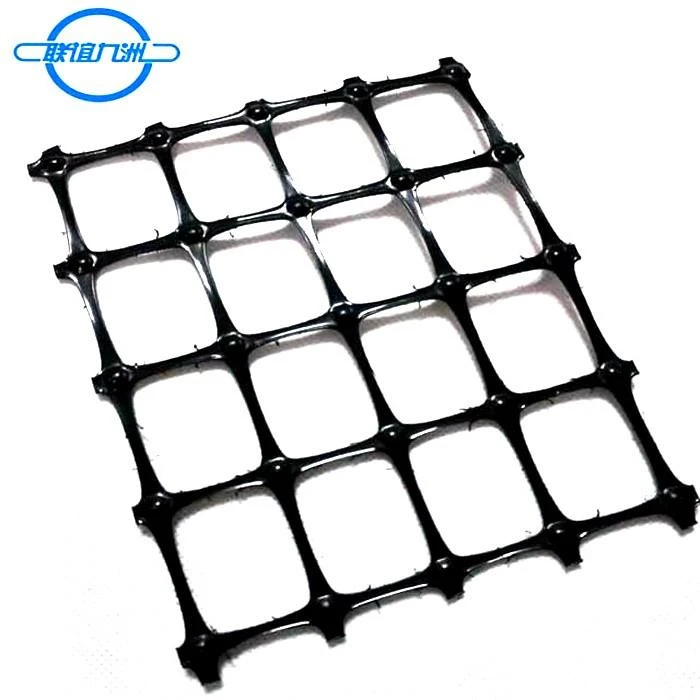
If you are involved in a slope reinforcement project and are looking for a reliable and high - performance geogrid solution, the Biaxial Geogrid 40kn is an excellent option. Contact us to discuss your specific requirements and explore how our geogrid products can meet your needs. We are committed to providing high - quality geogrids and professional technical support to ensure the success of your projects.
References
- Koerner, R. M. (2012). Designing with Geosynthetics. Pearson.
- Holtz, R. D., & Kovacs, W. D. (1981). An Introduction to Geotechnical Engineering. Prentice - Hall.
- Bonaparte, R., & Daniel, D. E. (1987). Geosynthetics for Waste Containment Facilities. ASTM International.