


When it comes to geocells, these three - dimensional honeycomb - like structures have revolutionized the fields of civil engineering, construction, and environmental protection. As a geocell supplier, I've witnessed firsthand the diverse applications of geocells, from soil stabilization on slopes to load support in road construction. One of the critical aspects that often gets overlooked is the installation process and the tools required for a successful geocell installation. In this blog, I'll delve into the essential installation tools for geocells, providing insights that will help you achieve efficient and effective installations.
Measuring and Marking Tools
Accurate measurement and marking are the first steps in any geocell installation project. The following tools are indispensable for this phase:
Tape Measure
A tape measure is a basic yet crucial tool. It is used to measure the length, width, and height of the area where the geocells will be installed. Whether you're working on a small garden slope or a large - scale road project, a reliable tape measure will ensure that the geocells are cut to the right size and placed at the correct intervals. Look for a tape measure with clear markings and a long enough length to cover the project area.
Chalk Line
A chalk line is used to create straight and accurate reference lines on the ground. This is especially important when aligning multiple geocell panels. By snapping a chalk line, you can ensure that the geocells are installed in a straight and orderly manner, which is essential for the overall stability and appearance of the project.
Unfolding and Securing Tools
Once the area is measured and marked, the next step is to unfold the geocells and secure them in place.
Geocell Unfolding Bars
Geocell unfolding bars are specifically designed to help open up the folded geocell panels. These bars are inserted into the pockets of the geocells, and by gently pulling and spreading, the geocells can be easily unfolded to their full size. They are usually made of durable materials such as steel or high - strength plastic to withstand the force required for unfolding.
Ground Anchors and Installation Tools
Ground anchors are used to secure the geocells to the ground. There are different types of ground anchors available, such as metal spikes and plastic pegs. To install these anchors, you'll need an appropriate tool. A hammer or a mallet can be used to drive metal spikes into the ground. For plastic pegs, a special peg driver may be required. These tools ensure that the geocells are firmly attached to the ground, preventing them from shifting or moving during use.
Filling Tools
After the geocells are unfolded and secured, they need to be filled with the appropriate infill material, such as soil, gravel, or sand.
Shovels
Shovels are the most common tool for filling geocells. They come in different sizes and shapes, depending on the type of infill material and the size of the geocell pockets. A square - edged shovel is ideal for filling the corners of the geocells, while a round - edged shovel can be used for general filling.
Wheelbarrows
Wheelbarrows are used to transport the infill material from the storage area to the installation site. They are especially useful for large - scale projects where a significant amount of infill material is required. A sturdy wheelbarrow with a large capacity can save a lot of time and effort in the filling process.
Compaction Tools
Compaction is an important step in the geocell installation process. It ensures that the infill material is tightly packed within the geocells, which enhances the strength and stability of the structure.
Plate Compactors
Plate compactors are commonly used for compacting the infill material in geocells. These machines work by vibrating a large, flat plate, which applies pressure to the ground and the infill material. Plate compactors come in different sizes and weights, and the choice depends on the size of the project and the type of infill material. For smaller projects or areas with limited access, a lightweight plate compactor may be sufficient. For larger projects, a heavy - duty plate compactor may be required.
Specialized Tools for Different Geocell Types
Depending on the specific type of geocell you're using, there may be some specialized tools required.
Tools for Perforated Geocell
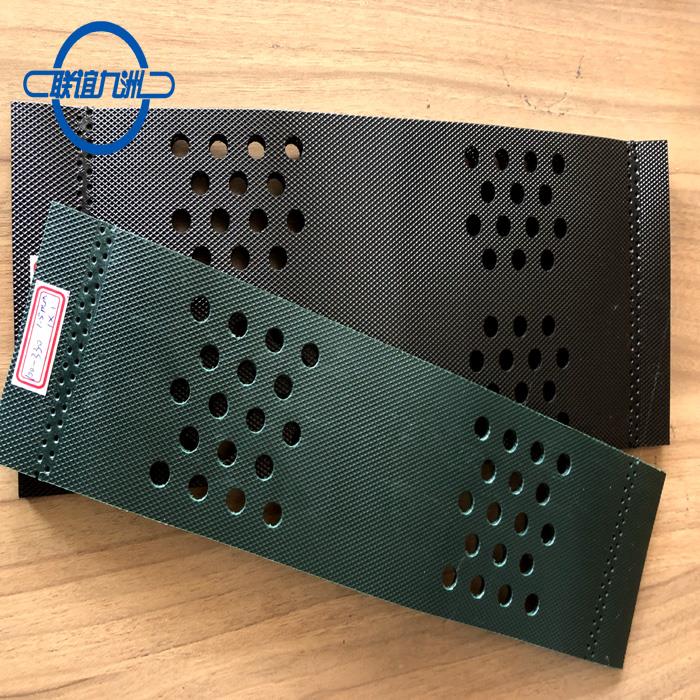
Perforated geocells are designed to allow for water drainage. When installing these geocells, you may need tools to ensure that the perforations are not blocked during the filling process. A small brush or a compressed air gun can be used to clean the perforations before and after filling.
Tools for Gravel Stabilizer Plastic HDPE Geocell
For gravel stabilizer plastic HDPE geocells, the tools are similar to those used for regular geocells. However, due to the nature of the infill material (gravel), you may need a more powerful compaction tool to ensure that the gravel is well - compacted within the geocells. A vibratory roller can be an excellent choice for large - scale projects using gravel - filled geocells.
Tools for Slope Protection HDPE Geocell
When installing slope protection HDPE geocells, additional tools may be required to ensure proper alignment and stability on the slope. A level can be used to check the slope angle and ensure that the geocells are installed at the correct inclination. In some cases, a rope or a cable system may be used to hold the geocells in place during installation on steep slopes.
Conclusion
In conclusion, the successful installation of geocells depends on the proper use of a variety of tools. From measuring and marking to unfolding, securing, filling, and compacting, each step requires specific tools to ensure the quality and stability of the project. As a geocell supplier, I understand the importance of providing not only high - quality geocells but also the right information about installation tools.
If you're planning a geocell project, it's essential to choose the right tools based on the type of geocell, the project area, and the infill material. And if you're in need of geocells or have any questions about the installation process, don't hesitate to contact us for more information and to discuss your procurement needs. We're here to help you make your project a success.

References
- "Geosynthetics in Civil Engineering" by Robert M. Koerner
- Industry standards and guidelines for geocell installation