


Is plastic net waterproof? This is a question that often pops up when people are considering using plastic nets for various applications. As a plastic net supplier, I've had numerous customers ask about the waterproof properties of our products. In this blog post, I'll delve into the science behind plastic nets and their waterproof capabilities, and also explore the different types of plastic nets we offer, such as Plastic Geogrid, Polypropylene Geogrid, and Biaxial Plastic Geogrid.
Understanding Plastic Nets
Plastic nets are made from various types of polymers, including polyethylene, polypropylene, and nylon. These materials are known for their durability, flexibility, and resistance to environmental factors. The manufacturing process involves extruding the plastic into thin strands and then weaving or knitting them together to form a net-like structure. The size of the openings in the net, also known as the mesh size, can vary depending on the intended application.
The Waterproofing Mechanism
To determine whether a plastic net is waterproof, we need to understand how water interacts with the material. Water is a polar molecule, which means it has a positive and a negative end. When water comes into contact with a surface, it can either be absorbed, repelled, or allowed to pass through.
Most plastic materials are hydrophobic, which means they repel water. This is because the non-polar nature of the plastic molecules does not allow them to form strong bonds with the polar water molecules. As a result, water tends to bead up on the surface of the plastic and roll off. However, the waterproofness of a plastic net also depends on its mesh size. If the openings in the net are large enough, water can pass through easily.
Types of Plastic Nets and Their Waterproof Properties
Fine Mesh Plastic Nets
Fine mesh plastic nets have small openings that can effectively prevent water from passing through. These nets are commonly used in applications where waterproofing is crucial, such as in the construction of greenhouses, where they can keep out rain and moisture. The fine mesh also provides additional protection against insects and pests.
Coated Plastic Nets
Some plastic nets are coated with a waterproofing agent to enhance their water resistance. The coating can be made of materials such as polyurethane or silicone, which form a protective barrier on the surface of the net. Coated plastic nets are often used in outdoor furniture covers, boat covers, and umbrellas.
Heavy-Duty Plastic Nets
Heavy-duty plastic nets are made from thick and strong plastic strands. While they may have larger mesh sizes compared to fine mesh nets, they can still offer some degree of waterproofing. These nets are commonly used in marine applications, such as in the construction of fishing nets and boat mooring lines. The thick plastic strands can withstand the harsh conditions of the ocean and prevent water from seeping through.
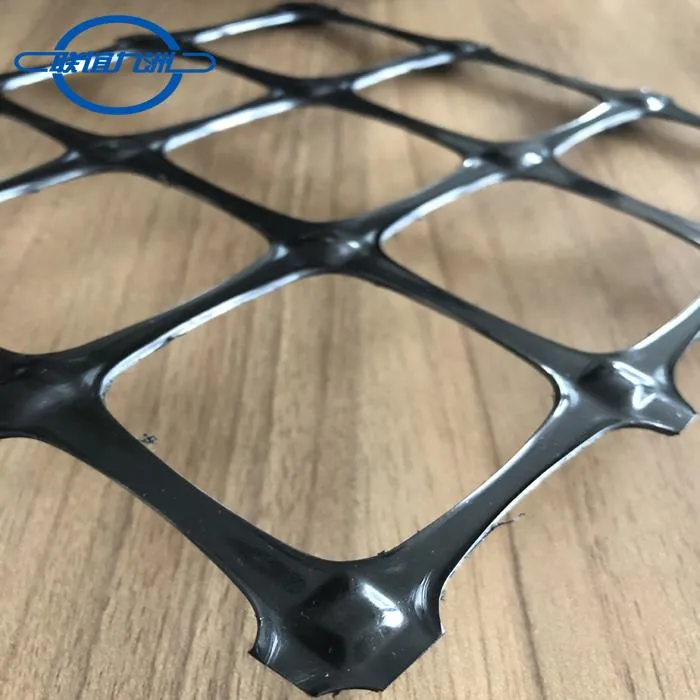

Geogrids
Geogrids, such as Plastic Geogrid, Polypropylene Geogrid, and Biaxial Plastic Geogrid, are typically used in civil engineering applications to reinforce soil and prevent erosion. While they are not primarily designed for waterproofing, their structure can help to control the flow of water. The geogrid's open structure allows water to drain through while providing stability to the soil.
Applications of Waterproof Plastic Nets
Construction
In the construction industry, waterproof plastic nets are used in a variety of applications. They can be used as a vapor barrier to prevent moisture from entering the building envelope. They are also used in the construction of retaining walls and slopes to control water runoff and prevent soil erosion.
Agriculture
In agriculture, plastic nets are used to protect crops from the elements. Fine mesh nets can be used to cover plants and prevent water from damaging them during heavy rainfall. They can also be used to create shade structures, which can help to reduce the amount of water lost through evaporation.
Aquaculture
In aquaculture, plastic nets are used to create fish cages and enclosures. These nets need to be waterproof to prevent water from leaking out and to keep the fish inside. They also need to be strong enough to withstand the pressure of the water and the movement of the fish.
Factors Affecting the Waterproofness of Plastic Nets
UV Exposure
Prolonged exposure to ultraviolet (UV) radiation can cause the plastic to degrade over time. This can weaken the structure of the net and reduce its waterproof properties. To prevent this, many plastic nets are treated with UV stabilizers to protect them from the harmful effects of the sun.
Chemical Exposure
Some chemicals can react with the plastic and cause it to break down. For example, certain solvents can dissolve the plastic and make it more permeable to water. It's important to consider the chemical environment in which the plastic net will be used and choose a material that is resistant to the specific chemicals.
Physical Damage
Scratches, tears, and punctures in the plastic net can compromise its waterproofness. Even a small hole can allow water to seep through. It's important to handle the plastic net carefully during installation and use to avoid any damage.
Testing the Waterproofness of Plastic Nets
There are several methods to test the waterproofness of a plastic net. One common method is the water column test, which measures the pressure of water that the net can withstand before it starts to leak. Another method is the spray test, where water is sprayed onto the net at a specific angle and pressure, and the amount of water that passes through is measured.
Conclusion
In conclusion, whether a plastic net is waterproof depends on several factors, including the type of plastic, the mesh size, and the presence of any coatings or treatments. Fine mesh plastic nets and coated plastic nets are generally more waterproof than nets with larger mesh sizes. However, it's important to consider the specific application and the environmental conditions in which the net will be used.
At our company, we offer a wide range of plastic nets with different waterproof properties to meet the diverse needs of our customers. Whether you need a fine mesh net for a greenhouse, a coated net for an outdoor cover, or a heavy-duty net for a marine application, we have the right product for you.
If you're interested in purchasing plastic nets or have any questions about their waterproof properties, please don't hesitate to contact us. Our team of experts is ready to assist you in finding the perfect solution for your project.
References
- "Plastic Materials Science and Engineering" by James F. Shackelford
- "Waterproofing and Damp - Proofing" by John W. Harris
- Industry standards and guidelines for plastic net manufacturing and testing