


Hey there! As a supplier of Biaxial Geogrid 40kn, I've had my fair share of experiences with different installation scenarios. One of the trickier ones is installing this geogrid in water - saturated soil. In this blog, I'll walk you through the process step by step.
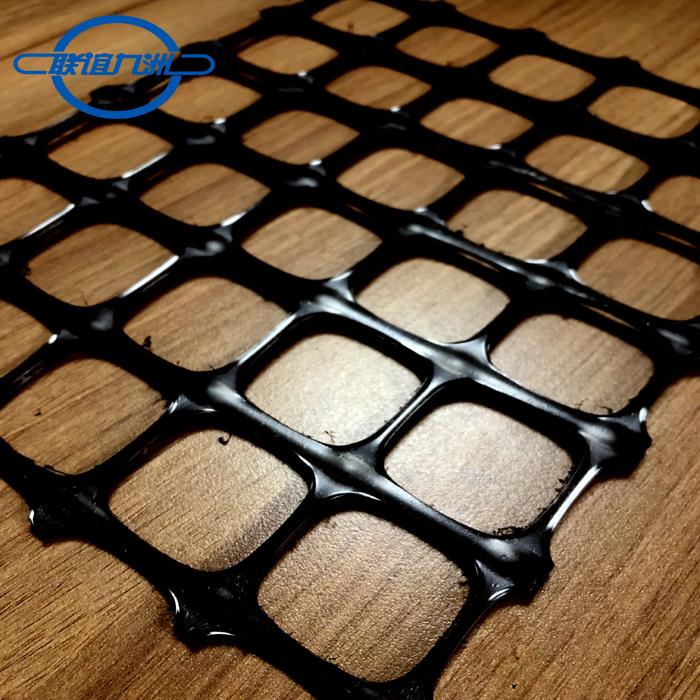
First off, let's understand what Biaxial Geogrid 40kn is. It's a high - strength Biaxial Geogrid 40kn that provides excellent reinforcement for soil. It's made of high - density polyethylene or polypropylene, and it has a unique grid structure that interlocks with the soil, enhancing its stability. And when we're dealing with water - saturated soil, things get a bit more challenging, but it's definitely doable.
Preparation
Before you start the installation, you need to do some prep work. The first thing is to assess the site. Walk around the area where you'll be installing the geogrid. Check the water level in the soil. You can use a simple soil moisture meter to get an accurate reading. If the water saturation is extremely high, you might need to take some additional steps to lower the water level. One way is to use a dewatering system. This could be as simple as installing a series of drainage pipes or using a pump to remove excess water.
Next, you'll need to clear the site. Remove any debris, rocks, or vegetation from the area. This will ensure that the geogrid lays flat and has good contact with the soil. You can use a bulldozer or a rake to clear the site. Make sure the surface is as level as possible. A level surface will prevent the geogrid from getting damaged during installation and will also ensure better performance.
Material and Equipment
Once the site is prepped, it's time to gather your materials and equipment. Of course, you'll need the Biaxial Geogrid 40kn. Measure the area where you'll be installing the geogrid and order the right amount. It's always a good idea to order a bit extra, just in case. You'll also need some tools like shovels, hammers, and stakes. The stakes will be used to secure the geogrid in place.
If you're dealing with a large area, you might want to consider using a geogrid laying machine. This can make the installation process much faster and more efficient. However, if it's a small - scale project, you can probably get by with manual labor.

Installation Process
Now, let's get into the actual installation. Unroll the Biaxial Geogrid 40kn along the prepared site. Start from one end and slowly unroll it, making sure it's straight and flat. You might need a few people to help with this, especially if the geogrid is large.
Once the geogrid is unrolled, use the stakes to secure it at the edges. Drive the stakes through the holes in the geogrid and into the soil. Make sure the stakes are driven deep enough to hold the geogrid firmly in place. You can space the stakes about every 1 - 2 meters, depending on the soil conditions and the size of the geogrid.
If you need to join multiple pieces of geogrid, overlap them by at least 200mm. Use plastic ties or metal clips to connect the overlapping sections. This will ensure that the geogrid acts as a single unit and provides continuous reinforcement.
Backfilling
After the geogrid is secured, it's time to backfill. You can use a suitable soil material for backfilling. The soil should be free of large rocks and debris. Start by spreading a thin layer of soil over the geogrid. Use a bulldozer or a grader to spread the soil evenly. Make sure the soil is compacted as you go. You can use a vibrating plate compactor or a roller to compact the soil.
As you backfill, keep adding more layers of soil and compacting them. The total thickness of the backfill will depend on the design requirements of your project. Usually, you'll need to backfill to a depth of at least 300mm above the geogrid.
Challenges in Water - Saturated Soil
Installing Biaxial Geogrid 40kn in water - saturated soil comes with its own set of challenges. One of the main issues is the reduced shear strength of the soil. Water - saturated soil is more prone to deformation, which can affect the performance of the geogrid. To counter this, you might need to increase the number of stakes or use heavier - duty stakes.
Another challenge is the potential for soil erosion. The water can carry away the soil particles, which can expose the geogrid. To prevent this, you can install erosion control blankets on top of the backfill. These blankets will help hold the soil in place and protect the geogrid.
Benefits of Using Biaxial Geogrid 40kn
Despite the challenges, using Biaxial Geogrid 40kn in water - saturated soil has many benefits. It can significantly improve the stability of the soil. The geogrid's grid structure interlocks with the soil, providing additional reinforcement and preventing soil movement. This is especially important in areas where there is a risk of landslides or soil settlement.
It also helps with drainage. The geogrid allows water to flow through the soil more easily, reducing the water pressure and preventing waterlogging. This can extend the lifespan of the soil structure and reduce the need for costly repairs.
Other Types of Geogrids
If you're interested in other types of geogrids, we also offer Plastic Geogrid and Plastic Biaxial Geogrid. These geogrids are similar in function but might have different properties depending on your specific needs. For example, plastic geogrids are often more flexible and can be a good choice for projects with irregular terrain.
Conclusion
Installing Biaxial Geogrid 40kn in water - saturated soil is a challenging but rewarding task. By following the steps I've outlined above, you can ensure a successful installation. If you have any questions or need more information about our products, feel free to reach out. We're here to help you with all your geogrid needs. Whether you're working on a small DIY project or a large - scale construction project, our Biaxial Geogrid 40kn can provide the reinforcement you need. So, don't hesitate to contact us for more details and to discuss your specific requirements. We look forward to working with you on your next project!
References
- "Geosynthetics in Civil Engineering" by Robert M. Koerner
- "Soil Mechanics and Foundation Engineering" by A. S. Venkatramaiah