


Polypropylene geogrids are widely used in civil engineering for soil reinforcement, stabilization, and erosion control. These geogrids come in various colors, and many customers often wonder whether the color of polypropylene geogrid affects its performance. As a polypropylene geogrid supplier, I have encountered numerous inquiries regarding this topic. In this blog, I will delve into the relationship between the color of polypropylene geogrids and their performance based on scientific research and practical experience.
1. Composition and Manufacturing of Polypropylene Geogrids
Before discussing the impact of color, it's essential to understand the basic composition and manufacturing process of polypropylene geogrids. Polypropylene geogrids are made from high - strength polypropylene resin. The resin is extruded into sheets, which are then punched and stretched in one or two directions to form a grid - like structure. This stretching process aligns the polymer molecules, enhancing the geogrid's strength and stiffness.
The color of polypropylene geogrids is typically added during the manufacturing process. Pigments are mixed with the polypropylene resin before extrusion. These pigments can be organic or inorganic compounds, and their selection depends on factors such as color stability, cost, and environmental impact.
2. Influence of Color on UV Resistance
One of the most significant environmental factors that can affect the performance of polypropylene geogrids is ultraviolet (UV) radiation. UV rays can break down the polymer chains in polypropylene, leading to a reduction in strength and an increase in brittleness over time.
Some colors are more effective at protecting the geogrid from UV damage than others. For example, black pigments, usually carbon black, are excellent UV absorbers. Carbon black has a high absorption coefficient for UV light, which means it can absorb and dissipate the energy of UV rays before they can reach the polypropylene matrix. As a result, black polypropylene geogrids generally have better UV resistance compared to lighter - colored geogrids.
Lighter - colored geogrids, such as white or yellow, reflect more visible light. However, they may not be as effective at absorbing UV radiation. This can lead to a faster degradation of the polymer when exposed to sunlight. In applications where the geogrid will be exposed to long - term sunlight, such as in slope stabilization projects or landfill covers, black polypropylene geogrids are often preferred due to their superior UV resistance.
3. Impact on Thermal Properties
The color of polypropylene geogrids can also affect their thermal properties. Dark - colored geogrids, especially black ones, absorb more sunlight and heat up more quickly than light - colored geogrids. This can have both positive and negative implications.

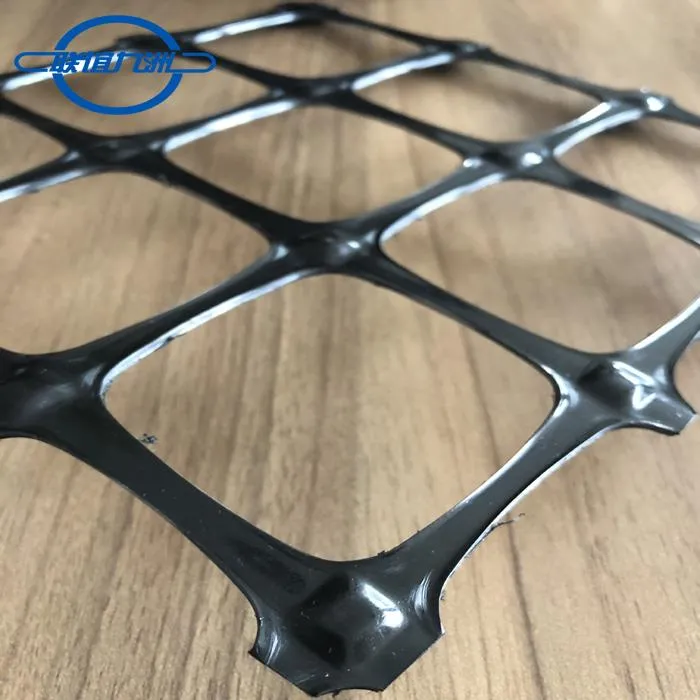
On the positive side, in colder climates, the ability of black geogrids to absorb heat can help to prevent the soil from freezing and thawing cycles, which can cause soil instability. The increased temperature of the geogrid can also promote better bonding between the geogrid and the soil.
On the negative side, excessive heating can cause the polypropylene to expand. If the geogrid is installed in a confined space, this expansion can lead to stress build - up, potentially causing the geogrid to deform or even rupture. In hot climates, light - colored geogrids may be a better choice as they reflect more sunlight and stay cooler, reducing the risk of thermal expansion - related problems.
4. Color and Chemical Resistance
The pigments used to color polypropylene geogrids can influence their chemical resistance. Some pigments may react with certain chemicals in the soil or the environment, which can affect the integrity of the geogrid.
For example, if a geogrid is used in an acidic soil environment, pigments that are sensitive to acids may degrade over time. In such cases, it is crucial to select pigments that are chemically stable in the specific environment. Generally, inorganic pigments tend to have better chemical resistance than organic pigments. However, the overall chemical resistance of a geogrid also depends on the quality of the polypropylene resin and the manufacturing process.
5. Color and Aesthetic Considerations
While performance is the primary concern in most geogrid applications, aesthetic considerations can also play a role. In some projects, such as landscaping or public areas, the color of the geogrid may need to blend in with the surrounding environment.
For instance, a green polypropylene geogrid may be more suitable for a park or a garden project, as it can blend in with the grass and plants. However, it's important to note that aesthetic choices should not compromise the performance requirements of the geogrid. If a green geogrid has poor UV resistance and is exposed to sunlight, it may degrade quickly, leading to a loss of functionality.
6. Practical Examples and Case Studies
In a slope stabilization project in a coastal area, black polypropylene geogrids were used. The area was exposed to high levels of UV radiation and salt spray. After several years of monitoring, the black geogrids showed minimal signs of degradation. The carbon black pigment effectively protected the polypropylene from UV damage, and the geogrids maintained their strength and integrity, providing reliable reinforcement for the slope.
In contrast, in a landscaping project where white polypropylene geogrids were used, the geogrids were exposed to sunlight for an extended period. Over time, the white geogrids became brittle, and their strength decreased. This was due to the relatively poor UV resistance of the white pigment compared to carbon black.
7. Conclusion and Call to Action
In conclusion, the color of polypropylene geogrids can have a significant impact on their performance, especially in terms of UV resistance, thermal properties, and chemical resistance. When selecting a polypropylene geogrid, it is crucial to consider the specific environmental conditions of the project. For projects with high UV exposure, black geogrids are often the best choice. In hot climates, lighter - colored geogrids may be more suitable to reduce thermal expansion.
As a polypropylene geogrid supplier, we offer a wide range of geogrids in different colors and specifications to meet the diverse needs of our customers. Our PP Biaxial Geogrid 30kn provides excellent strength and stability for various applications. We also have Biaxial Plastic Geogrid and Plastic Net options to suit different project requirements.
If you are involved in a civil engineering project and need polypropylene geogrids, we encourage you to contact us for a detailed discussion. Our team of experts can help you select the most appropriate geogrid based on your project's specific needs and environmental conditions. We are committed to providing high - quality products and excellent customer service to ensure the success of your project.
References
- Koerner, R. M. (2012). Designing with Geosynthetics. Pearson.
- Bonaparte, R., & Daniel, D. E. (1996). Geosynthetics for Waste Containment Facilities. ASTM International.
- Allen, N. S., & Edge, M. (2012). Fundamentals of Polymer Degradation and Stabilization. Wiley.