


Polyester geocomposites are engineered materials that combine the strength of polyester fibers with other geosynthetic components to create a versatile and effective solution for various geotechnical applications. As a supplier of polyester geocomposites, I have witnessed firsthand the remarkable performance of these materials in a wide range of environments. One area where polyester geocomposites truly shine is in areas with high sediment loads. In this blog post, I will explore how polyester geocomposites perform in such challenging conditions and why they are an ideal choice for sediment management projects.
Understanding High Sediment Load Environments
High sediment load areas are characterized by the presence of large amounts of sediment, which can be carried by water, wind, or other natural forces. These areas can include riverbanks, coastal zones, floodplains, and construction sites where soil erosion is a significant concern. Sediment can cause a variety of problems, such as clogging drainage systems, reducing water quality, and damaging infrastructure. Effective sediment management is crucial to prevent these issues and ensure the long-term stability and functionality of the environment.
The Role of Polyester Geocomposites in Sediment Management
Polyester geocomposites play a vital role in sediment management by providing a range of functions that help control sediment movement and prevent erosion. These materials are designed to be strong, durable, and resistant to environmental factors, making them well-suited for use in high sediment load areas. Here are some of the key ways in which polyester geocomposites contribute to sediment management:
Erosion Control
One of the primary functions of polyester geocomposites is erosion control. These materials can be used to stabilize soil and prevent it from being washed away by water or wind. By providing a protective layer over the soil surface, polyester geocomposites reduce the impact of erosive forces and help maintain the integrity of the soil. This is particularly important in areas with high sediment loads, where erosion can lead to significant sediment deposition and environmental degradation.
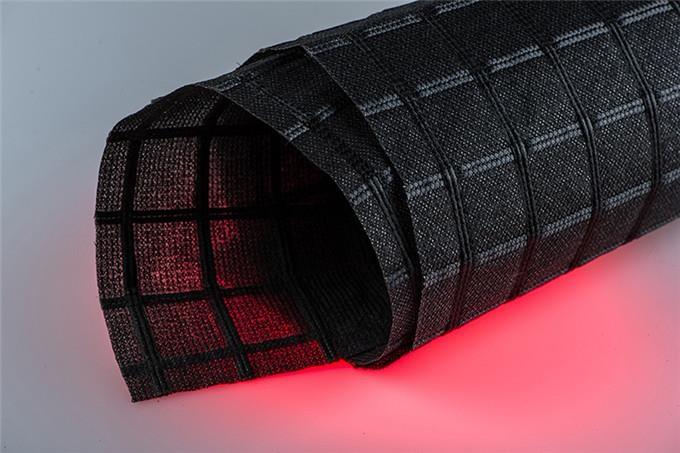
For example, Polyester Geogrid Composite with Geotextile is a type of polyester geocomposite that combines a polyester geogrid with a geotextile. The geogrid provides high tensile strength and reinforcement, while the geotextile acts as a filter, allowing water to pass through while retaining soil particles. This combination makes the geocomposite an effective erosion control solution, especially in areas with high water flow and sediment transport.
Sediment Filtration
In addition to erosion control, polyester geocomposites can also be used for sediment filtration. These materials are designed to trap sediment particles while allowing water to pass through, effectively reducing the sediment load in water bodies. By acting as a filter, polyester geocomposites help improve water quality and prevent sediment from clogging drainage systems and other infrastructure.
Polyester Reinforcing Geocomposite is another type of polyester geocomposite that is commonly used for sediment filtration. This material consists of a polyester geogrid or mesh embedded in a geotextile matrix. The geogrid provides structural support, while the geotextile acts as a filter medium, capturing sediment particles and preventing them from entering the water. This makes the geocomposite an ideal solution for sediment management in areas such as stormwater runoff, wastewater treatment, and coastal protection.
Slope Stabilization
Polyester geocomposites can also be used to stabilize slopes in areas with high sediment loads. Slope instability is a common problem in these areas, as the weight of the sediment can cause the soil to shift and slide. By providing reinforcement and support, polyester geocomposites help prevent slope failures and ensure the stability of the slope.
Polyester Geogrid Stitched with Geotextile is a type of polyester geocomposite that is often used for slope stabilization. This material consists of a polyester geogrid stitched to a geotextile, which provides both reinforcement and filtration functions. The geogrid helps distribute the load evenly across the slope, while the geotextile prevents soil erosion and allows water to drain freely. This combination makes the geocomposite an effective solution for slope stabilization in areas with high sediment loads and steep slopes.
Performance of Polyester Geocomposites in High Sediment Load Areas
The performance of polyester geocomposites in high sediment load areas has been extensively studied and documented. Numerous field tests and case studies have demonstrated the effectiveness of these materials in controlling sediment movement, preventing erosion, and stabilizing slopes. Here are some of the key factors that contribute to the excellent performance of polyester geocomposites in high sediment load areas:
High Tensile Strength
Polyester geocomposites are made from high-strength polyester fibers, which provide excellent tensile strength and durability. This allows the materials to withstand the forces exerted by sediment movement and erosion, ensuring long-term performance and stability. The high tensile strength of polyester geocomposites also makes them suitable for use in applications where large loads need to be supported, such as slope stabilization and soil reinforcement.
Chemical Resistance
Polyester geocomposites are resistant to a wide range of chemicals, including acids, alkalis, and salts. This makes them well-suited for use in environments where the soil or water may be contaminated with chemicals, such as industrial sites and coastal areas. The chemical resistance of polyester geocomposites helps prevent degradation and ensures the long-term performance of the materials in harsh environmental conditions.
UV Resistance
Polyester geocomposites are also resistant to ultraviolet (UV) radiation, which can cause degradation and weakening of materials over time. This makes them suitable for use in outdoor applications where the materials are exposed to sunlight, such as erosion control and slope stabilization. The UV resistance of polyester geocomposites helps maintain the integrity and performance of the materials, ensuring long-term durability and reliability.
Flexibility and Adaptability
Polyester geocomposites are flexible and adaptable, which allows them to conform to the shape and contours of the soil surface. This makes them easy to install and ensures a good fit, even in irregular or complex terrain. The flexibility of polyester geocomposites also allows them to withstand ground movement and settlement, without losing their effectiveness in controlling sediment movement and preventing erosion.
Case Studies
To illustrate the performance of polyester geocomposites in high sediment load areas, let's take a look at some real-world case studies:
Riverbank Erosion Control
In a riverbank erosion control project in a high sediment load area, Polyester Geogrid Composite with Geotextile was used to stabilize the riverbank and prevent soil erosion. The geocomposite was installed along the riverbank, providing a protective layer over the soil surface. The geogrid provided high tensile strength and reinforcement, while the geotextile acted as a filter, allowing water to pass through while retaining soil particles. After several years of monitoring, the riverbank remained stable, and the erosion rate was significantly reduced.
Coastal Protection
In a coastal protection project in a high sediment load area, Polyester Reinforcing Geocomposite was used to prevent beach erosion and protect the coastline from wave action. The geocomposite was installed beneath the beach sand, providing a stable foundation and preventing the sand from being washed away by the waves. The geogrid provided structural support, while the geotextile acted as a filter, capturing sediment particles and preventing them from entering the water. After several years of operation, the beach remained intact, and the coastline was effectively protected.
Slope Stabilization
In a slope stabilization project in a high sediment load area, Polyester Geogrid Stitched with Geotextile was used to prevent slope failures and ensure the stability of the slope. The geocomposite was installed on the slope, providing reinforcement and support. The geogrid helped distribute the load evenly across the slope, while the geotextile prevented soil erosion and allowed water to drain freely. After several months of monitoring, the slope remained stable, and no signs of movement or erosion were observed.

Conclusion
In conclusion, polyester geocomposites are an effective solution for sediment management in areas with high sediment loads. These materials provide a range of functions, including erosion control, sediment filtration, and slope stabilization, which help prevent sediment movement, protect the environment, and ensure the long-term stability and functionality of the infrastructure. The high tensile strength, chemical resistance, UV resistance, flexibility, and adaptability of polyester geocomposites make them well-suited for use in harsh environmental conditions and challenging applications.
If you are looking for a reliable and cost-effective solution for sediment management in high sediment load areas, I encourage you to consider polyester geocomposites. As a supplier of polyester geocomposites, I can provide you with high-quality products and expert advice to help you choose the right material for your specific application. Contact me today to discuss your sediment management needs and explore how polyester geocomposites can benefit your project.
References
- ASTM International. (2023). Standard Test Methods for Geotextiles and Geotextile-Related Products. West Conshohocken, PA: ASTM International.
- Koerner, R. M. (2012). Designing with Geosynthetics (6th ed.). Upper Saddle River, NJ: Pearson Prentice Hall.
- National Cooperative Highway Research Program (NCHRP). (2019). Geosynthetics in Transportation Applications: State of the Practice. Washington, DC: Transportation Research Board.