


Hey there! As a supplier of PET Geogrid, I've seen firsthand how this amazing material can make a huge difference in tunnel stability. So, let's dive into how PET Geogrid contributes to keeping tunnels safe and sound.
Understanding the Basics of PET Geogrid
First off, what exactly is PET Geogrid? Well, it's made from high - strength polyester materials. PET stands for polyethylene terephthalate, a super - tough polymer. This geogrid comes in different types, like Woven Polyester Geogrid and Polyester Uniaxial Geogrid. These grids have a unique structure with an open mesh design. This design allows soil, rock, or other fill materials to interlock with the geogrid, creating a composite structure that's much stronger than the individual components.
Reinforcing the Tunnel Surroundings
One of the main ways PET Geogrid helps with tunnel stability is by reinforcing the soil around the tunnel. When a tunnel is being built, the surrounding soil needs to be stable to prevent collapses. The geogrid can be installed in layers within the soil. As the soil tries to move or shift due to the weight of the overlying ground or external forces, the geogrid resists this movement.
Think of it like a safety net. The PET Geogrid distributes the loads more evenly across a larger area of the soil. This reduces the stress concentration at any single point. For example, if there's a heavy load above the tunnel, instead of the soil directly below the load bearing all the weight, the geogrid spreads that load out. This way, the soil is less likely to fail and cause a collapse in the tunnel.
Preventing Soil Erosion
Another big issue in tunnel construction and maintenance is soil erosion. Water can seep into the soil around the tunnel, washing away the soil particles. This can weaken the soil structure and pose a threat to the tunnel's stability.
PET Geogrid acts as a barrier against soil erosion. Its mesh structure traps the soil particles and prevents them from being washed away by water. The geogrid also helps to slow down the flow of water through the soil. This gives the water more time to infiltrate into the ground rather than carrying the soil away. By preventing soil erosion, the geogrid maintains the integrity of the soil around the tunnel, which is crucial for long - term stability.
Improving Slope Stability
In many cases, tunnels are built in areas with slopes. Slope stability is a major concern because an unstable slope can lead to landslides that can damage the tunnel. PET Geogrid can be used to reinforce these slopes.
When installed on a slope, the geogrid increases the shear strength of the soil. It provides additional resistance against the forces that try to make the slope slide. The geogrid's interlocking with the soil creates a stronger, more stable slope. For instance, Polyester Geogrid for Retaining Wall can be used in combination with other retaining structures to support the slope and protect the tunnel from slope - related hazards.
Reducing Settlement
Settlement is another problem that tunnels often face. Over time, the soil around the tunnel may settle, which can cause the tunnel to deform or crack. PET Geogrid can help reduce settlement.
By distributing the loads more evenly, the geogrid reduces the differential settlement. Differential settlement occurs when different parts of the soil settle at different rates, which can lead to uneven stress on the tunnel. The geogrid keeps the soil more uniform in its response to loads, minimizing the chances of significant settlement. This is especially important for tunnels that are built on soft or compressible soils.
Long - Term Durability
One of the great things about PET Geogrid is its long - term durability. It's resistant to environmental factors like UV radiation, chemicals, and biological degradation. This means that once it's installed in the soil around the tunnel, it can continue to provide reinforcement for a long time.
In a tunnel project, you don't want to have to worry about the reinforcement material failing after a few years. With PET Geogrid, you can be confident that it will maintain its strength and performance over the lifespan of the tunnel. This long - term durability contributes significantly to the overall stability of the tunnel.
Cost - Effectiveness
When it comes to construction projects, cost is always a major factor. PET Geogrid is a cost - effective solution for tunnel stability. Compared to some traditional methods of soil reinforcement, like using large amounts of concrete or steel, PET Geogrid is much more affordable.
It's also easier and quicker to install. This reduces the labor costs and the overall construction time. The long - term durability means that there are fewer maintenance costs over the life of the tunnel. So, in the long run, using PET Geogrid can save a lot of money while still ensuring high - quality tunnel stability.
Installation and Compatibility
Installing PET Geogrid is relatively straightforward. It can be easily unrolled and placed in the desired location within the soil. It can be cut to fit the specific requirements of the tunnel project.
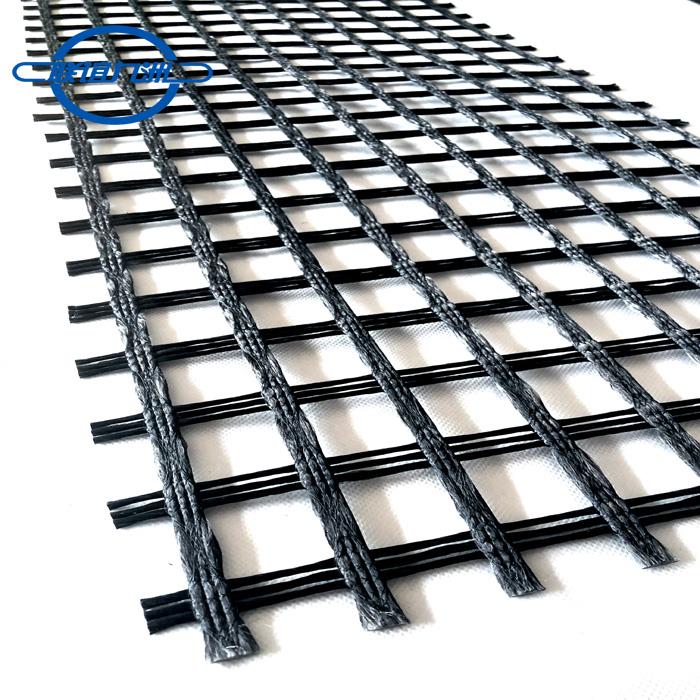

Moreover, PET Geogrid is compatible with a wide range of soil types. Whether it's sandy soil, clayey soil, or a mixture of different soils, the geogrid can work effectively. This versatility makes it a great choice for tunnel projects in various geological conditions.
Conclusion
In conclusion, PET Geogrid is a game - changer when it comes to tunnel stability. It reinforces the soil, prevents erosion, improves slope stability, reduces settlement, and offers long - term durability at a cost - effective price. Its ease of installation and compatibility with different soil types make it a top choice for tunnel construction and maintenance.
If you're involved in a tunnel project and are looking for a reliable solution for tunnel stability, I highly recommend considering PET Geogrid. Whether you need Woven Polyester Geogrid, Polyester Uniaxial Geogrid, or Polyester Geogrid for Retaining Wall, we've got you covered. Feel free to reach out to start a conversation about your project needs and how our PET Geogrid can contribute to its success.
References
- Koerner, R. M. (2012). Designing with Geosynthetics. Pearson.
- Bonaparte, R., & Christopher, B. R. (1991). Geosynthetics in Waste Containment. Van Nostrand Reinhold.