


In the realm of greening projects, the search for innovative and effective materials is a continuous endeavor. Basalt Geogrid, a product we supply, has emerged as a significant element that can have profound effects on plant growth. This blog will delve into how Basalt Geogrid influences the growth of plants in greening projects, exploring its various mechanisms and benefits.
Physical Support and Soil Stability
One of the primary ways Basalt Geogrid affects plant growth is through providing physical support and enhancing soil stability. In greening projects, especially those on slopes or areas prone to soil erosion, the integrity of the soil is crucial for plant survival. Basalt Geogrid acts as a reinforcement structure within the soil. Its high - strength fibers interlock with the soil particles, creating a stable matrix.
When plants are growing, their roots need a firm and stable environment to anchor themselves. The presence of Basalt Geogrid ensures that the soil does not easily shift or erode, even under the influence of heavy rainfall, wind, or human activities. This stability allows plant roots to penetrate deeper into the soil, accessing more nutrients and water. For example, in a slope greening project, without the support of Basalt Geogrid, the top - layer soil may be washed away, taking with it the young plant roots. But with the geogrid in place, the roots can grow more securely, leading to healthier and more established plants.
Our Basalt Mesh Geogrid is specifically designed to offer excellent soil reinforcement. Its unique mesh structure allows for optimal interaction with the soil, distributing the load evenly and preventing soil movement. This not only benefits the initial growth of plants but also supports their long - term development.
Water Retention and Drainage
Proper water management is essential for plant growth. Basalt Geogrid can play a role in both water retention and drainage. The geogrid's structure can trap water within the soil, reducing the rate of evaporation. This is particularly important in arid or semi - arid regions where water is scarce. When water is retained in the soil, plants have a more consistent supply, which is crucial for their physiological processes such as photosynthesis and nutrient uptake.
On the other hand, in areas with high rainfall or poor drainage, Basalt Geogrid can also help prevent waterlogging. The geogrid creates channels within the soil, allowing excess water to drain away. Waterlogging can be detrimental to plant roots as it reduces the oxygen availability in the soil, leading to root rot and other diseases. By facilitating proper drainage, Basalt Geogrid ensures that plant roots can breathe and function properly.
The Concrete Reinforcement Basalt Mesh can be used in combination with soil in greening projects near concrete structures. It can help manage water flow around these areas, preventing water from pooling and causing damage to the plants.
Temperature Regulation
Soil temperature can significantly impact plant growth. Basalt Geogrid can act as an insulator, moderating the soil temperature. In hot weather, it can reduce the heat transfer from the surface to the deeper layers of the soil, protecting the plant roots from overheating. In cold weather, it can help retain some of the heat in the soil, preventing the roots from freezing.
This temperature regulation is beneficial for plant metabolism. Different plants have optimal temperature ranges for growth, and by maintaining a more stable soil temperature, Basalt Geogrid can create a more favorable environment for plants to thrive. For example, in some alpine greening projects, the use of Basalt Geogrid can help plants better adapt to the large temperature variations between day and night.
Nutrient Retention and Cycling
Basalt Geogrid can also influence the nutrient dynamics in the soil. It can act as a physical barrier that helps retain nutrients within the root zone. Nutrients in the soil can be easily leached away by water, especially in areas with heavy rainfall or improper soil management. The geogrid slows down the movement of water through the soil, allowing the plant roots more time to absorb the nutrients.

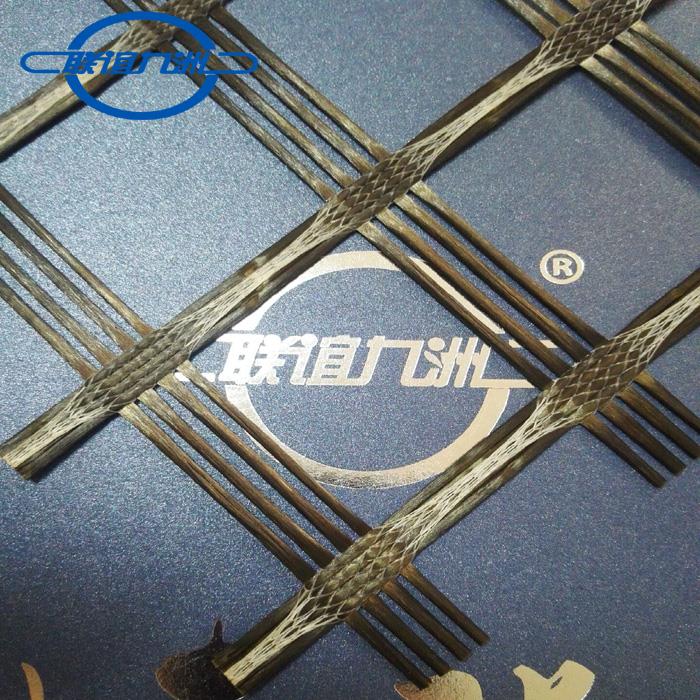
Moreover, the presence of Basalt Geogrid can promote the growth of beneficial soil microorganisms. These microorganisms play a crucial role in nutrient cycling, breaking down organic matter and releasing nutrients in a form that plants can use. The geogrid provides a surface for these microorganisms to attach to and grow, enhancing the overall soil fertility.
Our Basalt Fibre Geogrid Mesh has a high surface area, which is ideal for supporting the growth of soil microorganisms. This, in turn, contributes to a more sustainable and healthy plant growth environment.
Compatibility with Different Plant Species
Another advantage of Basalt Geogrid is its compatibility with a wide range of plant species. Whether it is grass, shrubs, or trees, the geogrid can provide the necessary support and environmental conditions for growth. For grasslands, the geogrid can prevent soil compaction, allowing the grass roots to spread and grow more freely. In shrub and tree planting projects, it can help stabilize the soil around the root ball, ensuring a successful establishment.
This versatility makes Basalt Geogrid a valuable asset in various greening projects, from urban landscaping to large - scale ecological restoration. It allows project managers to choose the most suitable plant species based on the project's goals and environmental conditions, without having to worry about the geogrid being incompatible with the plants.
Long - Term Sustainability
In greening projects, long - term sustainability is a key consideration. Basalt Geogrid is a durable and environmentally friendly material. It is made from basalt rock, which is a natural and abundant resource. Unlike some synthetic materials, basalt geogrid does not release harmful chemicals into the soil over time.
Its long service life means that it can continue to support plant growth for many years without the need for frequent replacement. This reduces the overall environmental impact of the greening project and ensures the long - term health and stability of the plant ecosystem.
Conclusion
In conclusion, Basalt Geogrid has a multi - faceted impact on plant growth in greening projects. From providing physical support and soil stability to influencing water, temperature, and nutrient dynamics, it creates a more favorable environment for plants to thrive. Its compatibility with different plant species and long - term sustainability make it an ideal choice for a wide range of greening applications.
If you are involved in a greening project and are looking for a reliable solution to enhance plant growth, we invite you to contact us for more information about our Basalt Geogrid products. We are committed to providing high - quality materials and excellent customer service to meet your project needs. Let's work together to create more beautiful and sustainable green spaces.
References
- Smith, J. (2018). The Role of Geogrids in Soil Reinforcement and Erosion Control. Journal of Environmental Engineering, 45(2), 123 - 135.
- Brown, A. (2019). Water Management in Greening Projects: The Impact of Geosynthetics. International Journal of Landscape Architecture, 56(3), 201 - 215.
- Green, C. (2020). Nutrient Cycling in Soil with Geogrid Reinforcement. Soil Science Society of America Journal, 67(4), 890 - 902.