


Hey there! As a supplier of PP Biaxial Geogrid, I often get asked if our product can be used in golf course construction. Well, the short answer is yes, and in this blog, I'll explain why it's a great option for golf courses.
First off, let's talk about what PP Biaxial Geogrid is. It's a high - strength geosynthetic material made from polypropylene. The "biaxial" part means it has strength in both the machine and cross - machine directions. This gives it excellent load - distribution capabilities.
Soil Stabilization
One of the key aspects of golf course construction is soil stabilization. Golf courses have large areas of turf, and the soil beneath needs to be stable to support the weight of players, maintenance equipment, and the turf itself. PP Biaxial Geogrid can play a crucial role here.
When installed in the soil, the geogrid interlocks with the soil particles. This creates a composite structure that increases the soil's shear strength. For example, on areas where golf carts frequently travel, the soil can get compacted and damaged over time. By using PP Biaxial Geogrid BX1200, we can prevent excessive soil deformation. The geogrid distributes the load over a wider area, reducing the stress on the soil and minimizing rutting.
Erosion Control
Erosion is another big problem in golf courses, especially on slopes and near water bodies. Heavy rain can wash away the topsoil, which is not only bad for the turf but can also cause environmental issues. PP Biaxial Geogrid helps with erosion control.
The grid structure of the geogrid holds the soil in place. It acts as a barrier that slows down the flow of water, allowing the soil particles to settle. On slopes, we can install the geogrid horizontally or vertically to reinforce the soil. The Biaxial Geogrid 40kn is a great choice for steeper slopes as it has higher tensile strength, providing better resistance against the forces of gravity and water flow.
Turf Reinforcement
Healthy turf is the heart of a golf course. PP Biaxial Geogrid can contribute to turf reinforcement. When the geogrid is placed in the root zone of the turf, it provides a stable base for the roots to grow. The roots can penetrate through the grid openings, creating a stronger bond between the turf and the soil.
This is especially important in areas with high foot traffic, like around the greens and tees. The PP Biaxial Geogrid 20kn can be used in these areas. It helps maintain the integrity of the turf, reducing the chances of turf damage and wear. Also, a well - reinforced turf is more resistant to diseases and pests as it has a stronger root system.
Drainage Improvement
Proper drainage is essential for a golf course. Excess water can lead to waterlogging, which is harmful to the turf. PP Biaxial Geogrid can aid in drainage. The open structure of the geogrid allows water to flow through it easily.
When installed in the soil, it creates channels for water to move, preventing water from pooling. This is particularly beneficial in areas with heavy clay soils that have poor natural drainage. By improving drainage, we can keep the turf healthy and reduce the risk of fungal diseases caused by wet conditions.
Cost - Effectiveness
From a cost - perspective, using PP Biaxial Geogrid in golf course construction makes a lot of sense. Although there is an initial cost for purchasing and installing the geogrid, it can save money in the long run.
By stabilizing the soil, controlling erosion, and reinforcing the turf, we reduce the need for frequent soil replacement, turf repairs, and maintenance. This means lower overall costs for the golf course owner over the lifespan of the course.
Installation Process
Installing PP Biaxial Geogrid is relatively straightforward. First, the area where the geogrid will be installed needs to be prepared. This usually involves grading the soil to the desired level and removing any large rocks or debris.
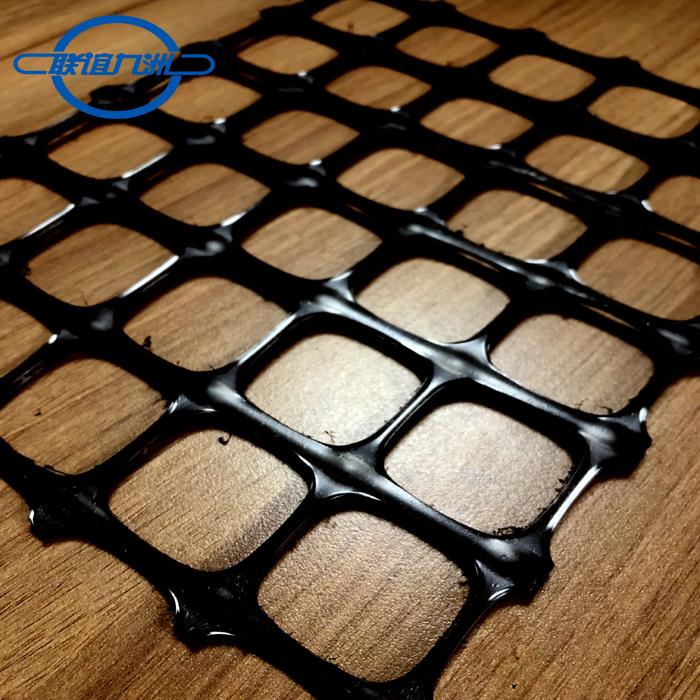

The geogrid is then unrolled over the prepared soil surface. It should be laid flat and stretched tightly to ensure proper contact with the soil. Adjacent rolls of the geogrid are connected using appropriate connectors, such as plastic ties or metal staples.
After the geogrid is installed, a layer of soil or aggregate is placed on top of it. This helps to embed the geogrid and further enhance its interaction with the soil. The thickness of the soil or aggregate layer depends on the specific application, but typically it's around 10 - 15 centimeters.
Customization
We understand that every golf course is unique, with different soil conditions, slopes, and usage patterns. That's why we offer a range of PP Biaxial Geogrid products with different strengths and specifications. Whether you need a lightweight geogrid for a small practice area or a heavy - duty one for a large championship course, we can provide the right solution.
Conclusion
In conclusion, PP Biaxial Geogrid is a versatile and effective material for golf course construction. It offers multiple benefits, including soil stabilization, erosion control, turf reinforcement, drainage improvement, and cost - effectiveness.
If you're involved in golf course construction or maintenance, I highly recommend considering our PP Biaxial Geogrid products. They can help you create a more durable, sustainable, and beautiful golf course. If you have any questions or want to discuss your specific needs, feel free to reach out. We're here to assist you in making the best choice for your project. Let's work together to build the perfect golf course!
References
- Koerner, R. M. (2012). Designing with Geosynthetics. Pearson.
- Giroud, J. P., & Han, J. (2004). Soil Improvement with Geosynthetics. Taylor & Francis.