


Can plastic net be used for traffic safety barriers?
In the realm of traffic safety, the selection of appropriate materials for barriers is a crucial decision that impacts the effectiveness of accident prevention and the overall safety of road users. As a supplier of high - quality Plastic Net, I've often been asked whether plastic net can be used for traffic safety barriers. In this blog, we'll explore this question in detail, considering various aspects such as material properties, cost - effectiveness, and practical applications.
Material Properties of Plastic Net
Plastic nets are typically made from polymers like polyethylene or polypropylene. These materials offer several advantageous properties. Firstly, plastic nets are lightweight, which makes them easy to handle during installation and transportation. Compared to traditional metal or concrete barriers, the reduced weight can significantly cut down on labor costs and the need for heavy - duty equipment.
Secondly, plastic nets are highly flexible. They can absorb and dissipate impact energy more effectively than rigid materials. When a vehicle collides with a traffic barrier, the flexibility of the plastic net allows it to deform gradually, reducing the force exerted on the vehicle and its occupants. This property is crucial for minimizing the severity of accidents.
Another important characteristic is the corrosion resistance of plastic nets. Unlike metal barriers that can rust over time, plastic nets are not affected by moisture, chemicals, or environmental factors. This means that they have a longer service life and require less maintenance. Consequently, the long - term cost of using plastic nets for traffic barriers can be lower.
Cost - Effectiveness
Cost is a major consideration in any infrastructure project. Plastic nets offer a cost - effective alternative to traditional traffic barrier materials. The initial cost of plastic nets is generally lower than that of metal or concrete barriers. The lightweight nature of plastic nets also reduces transportation costs, as fewer vehicles are needed to transport the same amount of material.
In addition to the upfront costs, the low maintenance requirements of plastic nets contribute to their cost - effectiveness. There is no need for regular painting or anti - rust treatments, and repairs can be easily carried out if the net is damaged. Over the life cycle of the traffic barrier, these savings can add up significantly.
Practical Applications and Case Studies
Although plastic nets are not as commonly used as traditional materials for traffic barriers, there are several successful applications around the world. In some low - speed areas, such as parking lots and residential streets, plastic nets have been used effectively to separate traffic lanes and protect pedestrians. Their flexibility and visibility make them suitable for these environments.
For example, in a small town, plastic nets were installed as traffic barriers along a residential street. The nets were able to withstand minor collisions from cars and bicycles without causing significant damage. The town council reported that the installation of plastic nets not only improved traffic safety but also enhanced the aesthetic appeal of the area.
In highway construction, plastic nets can be used in combination with other materials. For instance, they can be used as a secondary barrier behind a more rigid primary barrier. In the event of a major collision, the plastic net can catch debris and prevent it from spreading onto the road, reducing the risk of secondary accidents.
Comparison with Other Traffic Barrier Materials
Let's compare plastic nets with some of the more common traffic barrier materials.
Metal Barriers: Metal barriers, such as steel guardrails, are strong and rigid. They are suitable for high - speed roads where high - impact resistance is required. However, they are prone to corrosion, which can reduce their strength over time. Metal barriers also require regular maintenance, including painting and inspection. In contrast, plastic nets are corrosion - resistant and have lower maintenance costs.

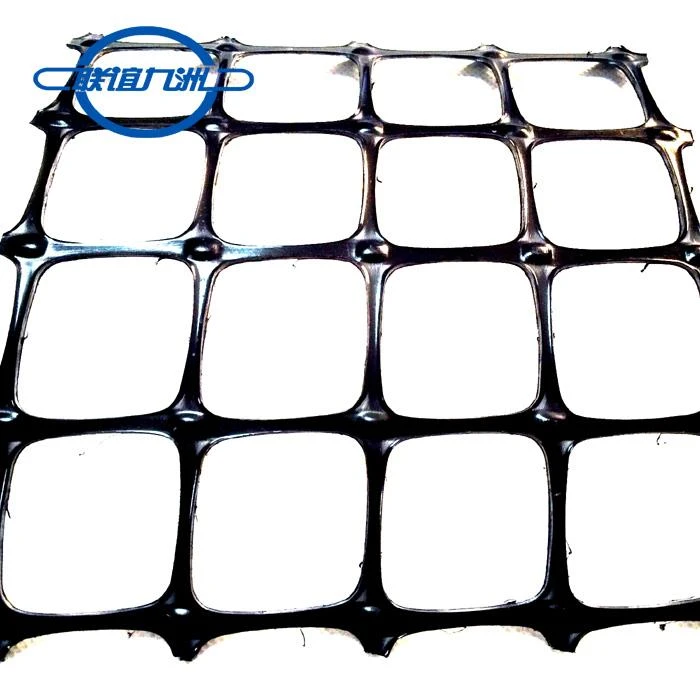
Concrete Barriers: Concrete barriers are extremely strong and can withstand large - scale impacts. They are commonly used on highways and major roads. However, they are heavy and difficult to install. The installation of concrete barriers often requires heavy machinery and a significant amount of labor. Plastic nets, on the other hand, are lightweight and easy to install, making them a more practical option for some projects.
Limitations of Plastic Nets for Traffic Safety Barriers
While plastic nets have many advantages, they also have some limitations. One of the main limitations is their lower impact resistance compared to metal or concrete barriers. In high - speed, high - traffic areas, plastic nets may not be able to withstand severe collisions as effectively as traditional materials.
Another limitation is their visibility. In some cases, plastic nets may not be as visible as metal or concrete barriers, especially at night or in poor weather conditions. This could potentially increase the risk of accidents if drivers do not notice the barriers in time.
Conclusion and Future Prospects
In conclusion, plastic nets can be a viable option for traffic safety barriers, especially in low - speed areas and in combination with other materials. Their lightweight, flexible, corrosion - resistant, and cost - effective properties make them an attractive alternative to traditional barrier materials. However, their limitations in high - impact situations and visibility need to be carefully considered.
As technology advances, the performance of plastic nets is likely to improve. New manufacturing processes may lead to the development of plastic nets with higher impact resistance and better visibility. In the future, we may see an increased use of plastic nets in traffic safety applications.
If you are interested in exploring the use of Plastic Net for your traffic safety projects, or if you have any questions about our products, such as Plastic Biaxial Geogrid or PP Biaxial Geogrid 20kn, please feel free to contact us. We are more than happy to discuss your specific requirements and provide you with tailored solutions.
References
- "Traffic Barrier Design and Safety" by Transportation Research Board
- "Plastic Materials in Civil Engineering" by John Wiley & Sons
- Case studies from local transportation departments on the use of plastic nets in traffic safety applications