


Can plastic geogrid be used in tunnel construction?
In the realm of civil engineering, tunnel construction stands as a complex and challenging endeavor. Over the years, engineers and construction professionals have been constantly on the lookout for innovative materials that can enhance the stability, durability, and overall performance of tunnels. One such material that has garnered significant attention is plastic geogrid. As a leading plastic geogrid supplier, I am often asked whether plastic geogrid can be effectively used in tunnel construction. In this blog post, I will delve into this question, exploring the properties of plastic geogrid, its potential applications in tunnels, and the associated benefits and challenges.

Properties of Plastic Geogrid
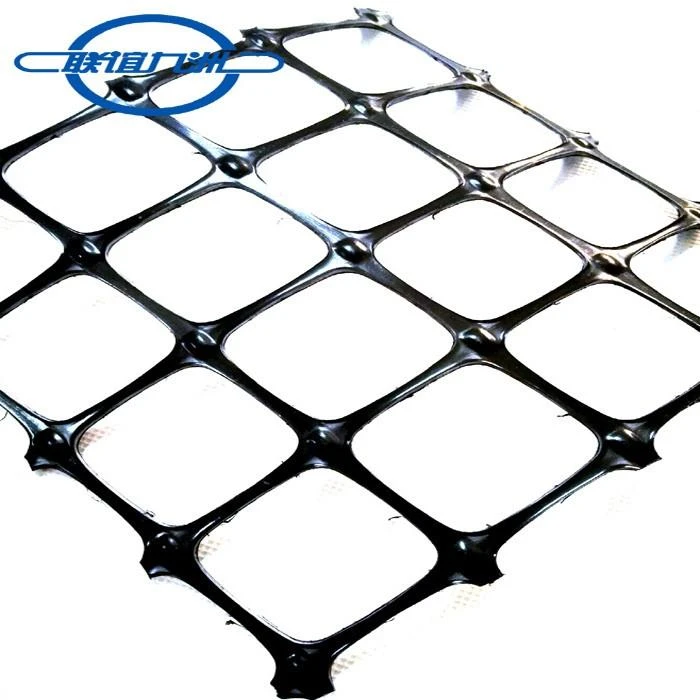
Plastic geogrids are synthetic materials typically made from polymers such as polypropylene (PP) or polyethylene (PE). They are characterized by a grid - like structure with apertures, which gives them unique mechanical properties.
One of the key properties of plastic geogrid is its high tensile strength. This allows it to withstand significant forces, making it suitable for applications where soil reinforcement is required. The grid structure also enables the geogrid to interlock with the surrounding soil, providing lateral restraint and preventing soil movement.
Another important property is its chemical resistance. Plastic geogrids are resistant to a wide range of chemicals, including those commonly found in soil and groundwater. This means that they can maintain their structural integrity over long periods, even in harsh environmental conditions.
Plastic geogrids are also lightweight and easy to handle, which simplifies the installation process. Compared to traditional reinforcement materials such as steel, they are more cost - effective, both in terms of material cost and installation cost.
Potential Applications of Plastic Geogrid in Tunnel Construction
Soil Reinforcement
In tunnel construction, the stability of the surrounding soil is of utmost importance. Plastic geogrids can be used to reinforce the soil around the tunnel, especially in areas where the soil is weak or prone to deformation. By placing the geogrid in the soil layers, it can increase the soil's shear strength and reduce the risk of soil settlement. For example, in soft clay soils, the use of Plastic Biaxial Geogrid can significantly improve the soil's load - bearing capacity, providing a more stable foundation for the tunnel structure.
Slope Stabilization
Tunnels often involve excavation and the creation of slopes. These slopes need to be stabilized to prevent landslides and ensure the safety of the construction site. Plastic geogrids can be installed on the slopes to reinforce the soil and prevent erosion. The geogrid interlocks with the soil particles, increasing the overall cohesion of the slope. PP Extruded Biaxial Geogrid is particularly suitable for slope stabilization due to its high tensile strength in both the machine and cross - machine directions.
Tunnel Lining Support
In some cases, plastic geogrids can be used as part of the tunnel lining system. They can provide additional support to the lining, especially in areas where the ground conditions are variable. The geogrid can distribute the loads more evenly across the lining, reducing the stress concentration and preventing cracking. For instance, PP Biaxial Geogrid 30kn can be incorporated into the lining to enhance its structural performance.
Benefits of Using Plastic Geogrid in Tunnel Construction
Cost - effectiveness
As mentioned earlier, plastic geogrids are more cost - effective than traditional reinforcement materials. The lower material cost, combined with the ease of installation, can result in significant cost savings for tunnel construction projects. This is particularly important for large - scale tunnel projects where cost control is a major concern.
Durability
The chemical resistance and long - term stability of plastic geogrids ensure that they can provide reliable reinforcement over the lifespan of the tunnel. They are not prone to corrosion like steel, which means that they can maintain their performance in wet and corrosive environments.
Environmental Friendliness
Plastic geogrids are made from recyclable materials, which makes them a more environmentally friendly option compared to some other construction materials. Their use can also reduce the amount of excavation and the need for traditional construction materials, leading to a lower environmental impact.
Challenges of Using Plastic Geogrid in Tunnel Construction
Temperature Sensitivity
Plastic geogrids can be sensitive to high temperatures. In tunnel construction, especially in deep tunnels where the temperature can be relatively high, the mechanical properties of the geogrid may be affected. This requires careful consideration of the operating temperature range and the selection of appropriate geogrid materials.
Installation Quality
The effectiveness of plastic geogrid depends largely on the quality of installation. Improper installation, such as incorrect placement or inadequate connection between geogrid layers, can significantly reduce its performance. Therefore, it is essential to ensure that the installation is carried out by experienced and trained personnel.
Case Studies
There have been several successful applications of plastic geogrid in tunnel construction. In a tunnel project in a mountainous area, plastic geogrids were used to reinforce the soil on the slopes adjacent to the tunnel entrance. The PP Extruded Biaxial Geogrid was installed in multiple layers, and it effectively prevented soil erosion and slope failure during the construction and subsequent operation of the tunnel.
In another project, plastic geogrids were incorporated into the tunnel lining to improve its load - bearing capacity. The use of PP Biaxial Geogrid 30kn helped to distribute the loads more evenly, reducing the occurrence of cracks in the lining and extending its service life.
Conclusion
In conclusion, plastic geogrid can indeed be used in tunnel construction. Its unique properties, such as high tensile strength, chemical resistance, and cost - effectiveness, make it a viable option for soil reinforcement, slope stabilization, and tunnel lining support. However, it is important to be aware of the challenges associated with its use, such as temperature sensitivity and installation quality.
As a plastic geogrid supplier, we are committed to providing high - quality products and technical support to ensure the successful application of plastic geogrid in tunnel construction projects. If you are involved in a tunnel construction project and are considering using plastic geogrid, we invite you to contact us for further information and to discuss your specific requirements. We look forward to the opportunity to work with you and contribute to the success of your project.
References
- Koerner, R. M. (2012). Designing with Geosynthetics. Pearson.
- Bonaparte, R., & Koerner, R. M. (Eds.). (2006). Geosynthetics in Civil and Environmental Engineering. Springer.
- Giroud, J. P., & Han, J. (2004). Design and Construction of Reinforced Soil Structures. Taylor & Francis.