


Can Plastic Geogrid be Used in Mountainous Area Road Construction?
As a plastic geogrid supplier, I've been asked numerous times about the applicability of plastic geogrids in mountainous area road construction. The unique geological and topographical conditions in mountainous regions pose significant challenges to road building, and it's crucial to understand whether plastic geogrids can meet the requirements in such environments.
Challenges in Mountainous Area Road Construction
Mountainous areas present a series of difficulties for road construction. Firstly, the terrain is often uneven, with steep slopes and large elevation differences. This means that the road foundation needs to withstand greater lateral and vertical forces. Secondly, the geological conditions are complex, including rock formations, soil instability, and potential for landslides and rockfalls. These factors can lead to uneven settlement of the road surface, cracking, and even collapse. Additionally, mountainous areas are prone to heavy rainfall and seismic activities, which further exacerbate the challenges for road durability and safety.
Advantages of Plastic Geogrid in Road Construction
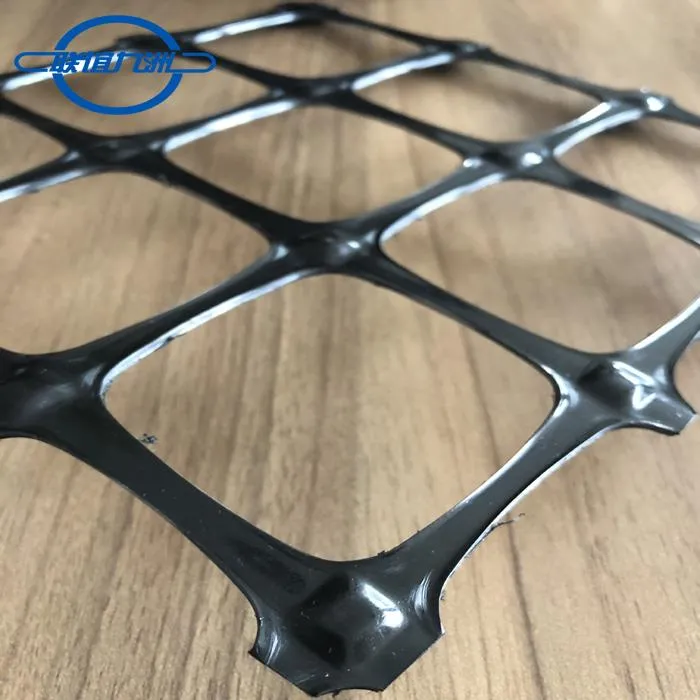
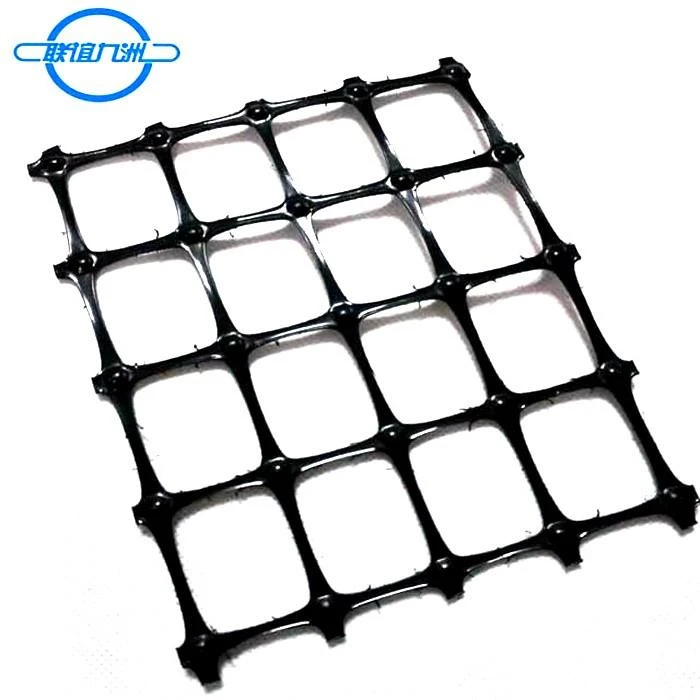
Plastic geogrids, such as Biaxial Plastic Geogrid, have several properties that make them suitable for road construction in general. They are made of high - strength polymers, typically polypropylene. Polypropylene is known for its excellent chemical resistance, which means it can withstand the influence of various chemicals in the soil, such as acids and alkalis. This property helps to maintain the integrity of the geogrid over a long period.
One of the key functions of plastic geogrids is reinforcement. They can distribute the load more evenly across the road foundation. When used in the sub - base or base layer of a road, the geogrid interlocks with the soil or aggregate, increasing the overall strength and stability of the structure. This is particularly important in mountainous areas where the load on the road can be uneven due to the terrain.
Another advantage is the improvement of soil shear strength. The grid structure of the plastic geogrid restricts the lateral movement of soil particles, enhancing the shear resistance of the soil. In mountainous areas, where slopes are common, this property can prevent soil erosion and slope failure, which are major concerns for road safety.
Specific Applications in Mountainous Area Road Construction
In mountainous road construction, plastic geogrids can be used in different scenarios. For example, in slope stabilization, Polypropylene Geogrid can be installed on the slope surface. The geogrid is placed in layers and covered with soil or vegetation. This not only stabilizes the slope but also promotes ecological restoration. The roots of the vegetation can grow through the geogrid, further strengthening the slope and preventing soil erosion caused by rainfall.
In road embankment construction, plastic geogrids can be used to reinforce the embankment. By placing the geogrid at regular intervals within the embankment, the lateral movement of the fill material is restricted, reducing the risk of embankment settlement and lateral displacement. This is especially important in mountainous areas where the embankment may be built on uneven ground.
For the construction of roads on soft soil areas in mountainous regions, PP Biaxial Geogrid 20kn can be used to improve the bearing capacity of the soil. The geogrid distributes the load from the road surface over a larger area of the soft soil, reducing the stress on the soil and preventing excessive settlement.
Case Studies
There have been several successful applications of plastic geogrids in mountainous area road construction. In a mountainous region in South America, a road project faced significant challenges due to steep slopes and unstable soil. By using biaxial plastic geogrids in the slope stabilization and road embankment construction, the project was able to complete on time and within budget. The geogrids effectively prevented soil erosion and slope failure, and the road has shown excellent performance over the years.
In another case in Asia, a mountain road was built on soft soil. Polypropylene geogrids were used to reinforce the sub - base. After several years of operation, the road surface remained in good condition, with minimal cracking and settlement, demonstrating the effectiveness of plastic geogrids in such challenging environments.
Considerations and Limitations
While plastic geogrids offer many advantages, there are also some considerations. The installation of plastic geogrids requires proper techniques. Incorrect installation, such as improper tensioning or overlapping, can reduce the effectiveness of the geogrid. In mountainous areas, where access may be difficult, ensuring proper installation can be a challenge.
The long - term performance of plastic geogrids also depends on environmental factors. Although they are resistant to many chemicals, prolonged exposure to sunlight can cause degradation of the polymer material. In mountainous areas with high altitudes, the intensity of sunlight is often stronger, which may accelerate the aging process of the geogrid. Therefore, appropriate UV - resistant coatings or additives may be required.
Conclusion
In conclusion, plastic geogrids can be effectively used in mountainous area road construction. Their properties of reinforcement, load distribution, and soil shear strength improvement make them suitable for addressing the unique challenges in these regions. However, proper installation and consideration of environmental factors are essential to ensure their long - term performance.
If you are involved in a mountainous area road construction project and are interested in using plastic geogrids, I encourage you to contact us for more information and to discuss your specific requirements. Our team of experts can provide you with detailed technical support and product recommendations to ensure the success of your project.
References
- "Geosynthetics in Civil Engineering" by Robert M. Koerner
- "Road Construction in Mountainous Regions: Challenges and Solutions" by John Smith