


Can plastic biaxial geogrid be used in riverbank protection? This is a question that often comes up in the field of civil engineering and environmental protection. As a supplier of Plastic Biaxial Geogrid, I have witnessed firsthand the effectiveness and versatility of this product in various applications, including riverbank protection. In this blog post, I will explore the potential of plastic biaxial geogrid in riverbank protection, discussing its features, benefits, and installation methods.
What is Plastic Biaxial Geogrid?
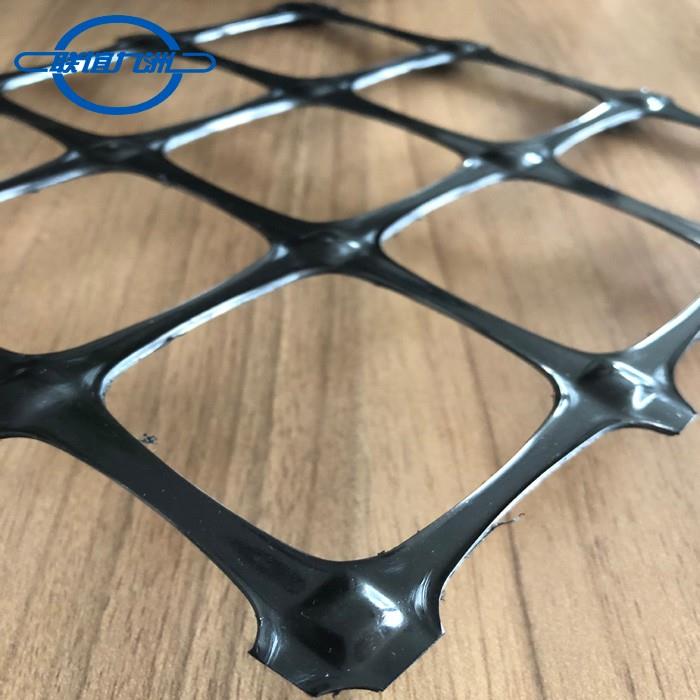
Plastic biaxial geogrid is a high-strength geosynthetic material made from polypropylene (PP) or polyethylene (PE) polymers. It is characterized by a grid-like structure with intersecting ribs in both the longitudinal and transverse directions. This unique structure provides excellent tensile strength and stiffness in both directions, making it suitable for a wide range of applications, including soil reinforcement, slope stabilization, and road construction.

Features and Benefits of Plastic Biaxial Geogrid in Riverbank Protection
- High Tensile Strength: Plastic biaxial geogrid has high tensile strength in both the longitudinal and transverse directions, which allows it to withstand the forces exerted by flowing water and soil movement. This helps to prevent soil erosion and stabilize the riverbank, reducing the risk of collapse and flooding.
- Erosion Control: The grid-like structure of plastic biaxial geogrid provides a stable platform for soil retention and vegetation growth. It helps to trap sediment and prevent it from being washed away by water, reducing erosion and improving water quality.
- Flexibility and Adaptability: Plastic biaxial geogrid is flexible and can be easily installed on uneven surfaces, making it suitable for use in a variety of riverbank conditions. It can also be cut to size and shaped to fit the specific requirements of the project.
- Longevity and Durability: Plastic biaxial geogrid is resistant to UV radiation, chemicals, and biological degradation, ensuring long-term performance and durability in harsh environmental conditions. This reduces the need for frequent maintenance and replacement, saving time and money in the long run.
- Cost-Effective: Compared to traditional riverbank protection methods, such as concrete or stone revetments, plastic biaxial geogrid is a more cost-effective solution. It requires less material and labor for installation, and its lightweight design reduces transportation costs.
Installation Methods of Plastic Biaxial Geogrid in Riverbank Protection
The installation of plastic biaxial geogrid in riverbank protection typically involves the following steps:
- Site Preparation: The riverbank should be cleared of vegetation, debris, and loose soil to ensure a smooth and stable surface for installation.
- Geogrid Placement: The plastic biaxial geogrid is unrolled and placed on the prepared riverbank surface, ensuring that it is properly aligned and tensioned. The geogrid should be overlapped at the seams to provide continuous reinforcement.
- Anchoring: The geogrid is anchored to the riverbank using stakes, nails, or other suitable anchoring devices to prevent it from shifting or sliding during installation and use.
- Backfilling: The geogrid is covered with a layer of soil or aggregate to provide additional support and protection. The backfill material should be compacted to ensure proper bonding with the geogrid.
- Vegetation Establishment: Once the geogrid and backfill are in place, vegetation can be established on the riverbank to further enhance its stability and erosion control capabilities. Native grasses, shrubs, and trees are often used for this purpose.
Case Studies of Plastic Biaxial Geogrid in Riverbank Protection
There are many successful case studies of plastic biaxial geogrid being used in riverbank protection projects around the world. For example, in a project in the United States, plastic biaxial geogrid was used to stabilize a riverbank that was experiencing severe erosion due to high water flow and flooding. The geogrid was installed on the riverbank and covered with a layer of soil and vegetation, which helped to prevent further erosion and improve the stability of the riverbank.
In another project in Europe, plastic biaxial geogrid was used to reinforce a riverbank that was being reconstructed as part of a flood prevention scheme. The geogrid was installed in conjunction with other geosynthetic materials, such as geotextiles and geocells, to provide additional support and protection to the riverbank. The project was completed successfully, and the riverbank has remained stable and erosion-free since then.
Conclusion
In conclusion, plastic biaxial geogrid is a versatile and effective solution for riverbank protection. Its high tensile strength, erosion control capabilities, flexibility, and durability make it suitable for use in a variety of riverbank conditions. By using plastic biaxial geogrid, engineers and contractors can reduce the risk of soil erosion, stabilize riverbanks, and improve water quality. If you are considering using plastic biaxial geogrid in your next riverbank protection project, I encourage you to contact us to learn more about our products and services.
Product Recommendations
As a supplier of Plastic Biaxial Geogrid, we offer a wide range of products to meet the specific needs of your project. Our Biaxial Geogrid is available in various strengths and sizes, including Biaxial Geogrid 40kn and PP Biaxial Geogrid 40kn. Our products are manufactured using high-quality materials and advanced production techniques, ensuring superior performance and durability.
Contact Us for Purchase and Negotiation
If you are interested in purchasing our Plastic Biaxial Geogrid products for your riverbank protection project, please feel free to contact us. We have a team of experienced professionals who can provide you with detailed product information, technical support, and competitive pricing. We look forward to working with you to find the best solution for your project.

References
- Koerner, R. M. (2012). Designing with Geosynthetics. Pearson.
- Bonaparte, R., & Daniel, D. E. (1987). Geosynthetics in waste containment. ASTM International.
- Giroud, J. P., & Han, J. (2004). Design and construction of soil reinforced with geosynthetics. Wiley.