


In the realm of railway construction, the search for reliable and cost - effective materials is a constant pursuit. Among the various materials available, biaxial plastic geogrid has emerged as a potential candidate for numerous railway applications. As a supplier of biaxial plastic geogrid, I am well - positioned to delve into the question: Can biaxial plastic geogrid be used for railway construction?
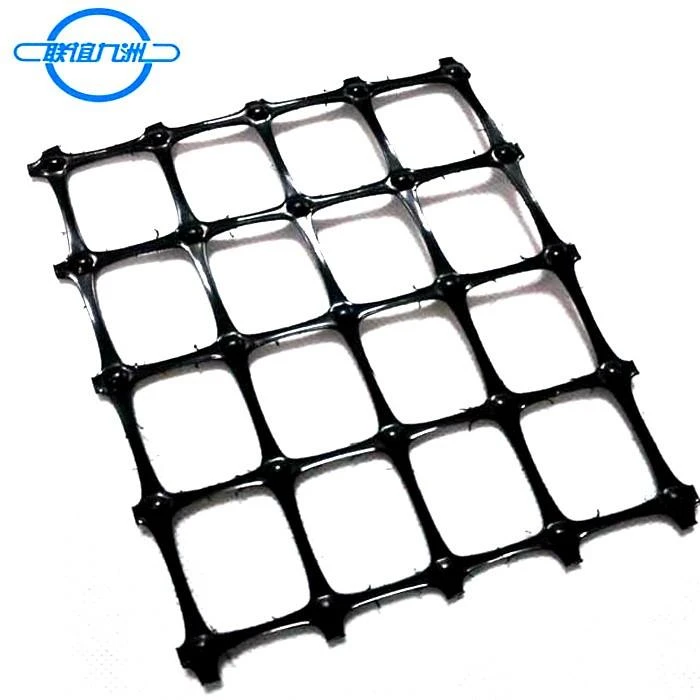

1. Understanding Biaxial Plastic Geogrid
Biaxial plastic geogrid is a type of geosynthetic material typically made from high - density polyethylene (HDPE) or polypropylene (PP). Its unique structure consists of a grid - like pattern with apertures that interact with the soil or other construction materials. The two - way (biaxial) orientation of the ribs in the geogrid provides strength in both the machine direction and the cross - machine direction.
The PP Extruded Biaxial Geogrid is one of our popular products. It is manufactured through an extrusion process, which gives it a high degree of uniformity and strength. This type of geogrid has a wide range of applications due to its excellent mechanical properties.
2. Functions of Biaxial Plastic Geogrid in Railway Construction
2.1 Reinforcement
One of the primary functions of biaxial plastic geogrid in railway construction is soil reinforcement. In railway embankments, the geogrid can be placed within the soil layers. The interlocking mechanism between the geogrid and the soil particles increases the overall shear strength of the soil mass. This is crucial in preventing soil movement and settlement, especially under the heavy loads of passing trains.
When constructing railway sub - bases, the PP Biaxial Geogrid 20kn can be used to reinforce the aggregate layers. The geogrid restricts the lateral movement of the aggregates, distributing the load more evenly across the sub - base. This results in a more stable foundation for the railway tracks, reducing the risk of rutting and deformation.
2.2 Separation
Railway construction often involves multiple layers of different materials, such as soil, gravel, and ballast. Biaxial plastic geogrid can act as a separator between these layers. The Plastic Geogrid prevents the inter - mixing of different materials, maintaining the integrity of each layer. For example, it can prevent the fine soil particles from migrating into the ballast layer, which could otherwise reduce the drainage capacity and stability of the ballast.
2.3 Filtration and Drainage
Although not its primary function, biaxial plastic geogrid can also contribute to the filtration and drainage of water in railway structures. The apertures in the geogrid allow water to pass through while retaining the soil particles. This is beneficial in preventing waterlogging in the railway embankment and sub - base, which can lead to soil softening and reduced strength.
3. Advantages of Using Biaxial Plastic Geogrid in Railway Construction
3.1 Cost - effectiveness
Compared to traditional methods of soil reinforcement, such as using steel or concrete, biaxial plastic geogrid is more cost - effective. The material itself is relatively inexpensive, and the installation process is simpler and faster, reducing labor costs. Moreover, the long - term durability of the geogrid means less maintenance and replacement, further saving costs over the life of the railway.
3.2 Lightweight and Easy to Install
Biaxial plastic geogrid is lightweight, which makes it easy to transport and handle on the construction site. It can be quickly rolled out and installed, even in hard - to - reach areas. This reduces the construction time and allows railway projects to be completed more efficiently.
3.3 Chemical Resistance
The plastic material used in biaxial geogrid has good chemical resistance. It can withstand exposure to various chemicals in the soil, such as acids and alkalis, without significant degradation. This ensures the long - term performance of the geogrid in different soil environments.
4. Challenges and Solutions
4.1 Installation Quality
The effectiveness of biaxial plastic geogrid depends largely on proper installation. Issues such as improper overlap, wrinkling, or inadequate anchorage can reduce the performance of the geogrid. To address this, we provide detailed installation guidelines to our customers and offer on - site technical support if needed.
4.2 Environmental Impact
Although plastic geogrid is generally durable, there are concerns about its environmental impact at the end of its service life. As a responsible supplier, we are researching and developing more environmentally friendly options, such as biodegradable geogrids, and promoting recycling programs for used geogrids.
5. Case Studies
There have been several successful applications of biaxial plastic geogrid in railway construction around the world. In some high - speed railway projects, the use of biaxial geogrid in the embankment reinforcement has significantly improved the stability of the trackbed, reducing the maintenance frequency. In other cases, the geogrid has been used in the construction of railway turnouts, where the need for precise load distribution and soil stability is crucial.
6. Conclusion
In conclusion, biaxial plastic geogrid can indeed be used effectively in railway construction. Its functions in reinforcement, separation, and filtration, combined with its advantages of cost - effectiveness, ease of installation, and chemical resistance, make it a valuable material for railway projects. However, proper installation and consideration of environmental impact are necessary to ensure its long - term performance.
If you are involved in railway construction or any other geotechnical project and are considering the use of biaxial plastic geogrid, I encourage you to contact us for more information. Our team of experts can provide you with detailed product specifications, technical advice, and competitive pricing. Let's discuss how our biaxial plastic geogrid can meet your specific project requirements.
References
- Koerner, R. M. (2012). Designing with Geosynthetics. Prentice Hall.
- Bonaparte, R., & Christopher, B. R. (1991). Geosynthetics in Geotechnical Engineering. ASCE.
- Giroud, J. P., & Han, J. (2004). Design and Construction of Reinforced Soil Slopes and Walls. Geotechnical Special Publication.