


Can Biaxial Geogrid Be Used in Offshore Platform Foundation Reinforcement?
As a supplier of biaxial geogrids, I've often been asked about the feasibility of using our products in offshore platform foundation reinforcement. In this blog, I'll delve into the technical aspects, advantages, and challenges of applying biaxial geogrids in such a demanding environment.
Understanding Biaxial Geogrids
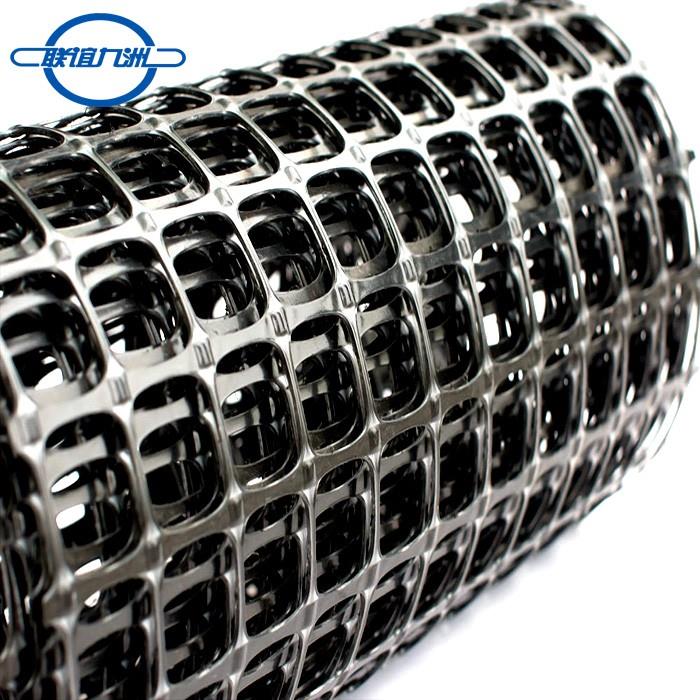
Biaxial geogrids are a type of geosynthetic material made from high - density polyethylene (HDPE) or polypropylene (PP). They feature a grid - like structure with apertures, which allows them to interlock with soil particles. The biaxial design means that the geogrid has high tensile strength in both the machine direction (MD) and the cross - machine direction (CD). This property makes it effective in distributing loads and stabilizing soil in various civil engineering applications.
For instance, our [Plastic Biaxial Geogrid](/geogrid/pp - biaxial - geogrid/plastic - biaxial - geogrid.html) is made from high - quality polypropylene, which offers excellent chemical resistance and long - term durability. It has a well - defined grid pattern that enhances its interaction with the soil, providing better load transfer and reinforcement.
Requirements for Offshore Platform Foundation Reinforcement
Offshore platforms are large structures that need to withstand harsh environmental conditions, including strong waves, high winds, and seismic activities. The foundation of an offshore platform must be stable enough to support the weight of the platform and resist lateral forces. The soil at offshore sites is often soft and has low bearing capacity, which makes foundation reinforcement crucial.

The ideal reinforcement material for offshore platform foundations should have high tensile strength, corrosion resistance, and long - term durability. It should also be able to adapt to the dynamic nature of the offshore environment, such as soil settlement and sea - floor movements.
Advantages of Using Biaxial Geogrids in Offshore Platform Foundation Reinforcement
- Load Distribution
Biaxial geogrids can effectively distribute the load from the offshore platform to a larger area of the soil. The grid structure interlocks with the soil particles, preventing them from moving under the load. This reduces the stress concentration on the foundation and increases the overall bearing capacity of the soil. For example, our [PP Biaxial Geogrid 20kn](/geogrid/pp - biaxial - geogrid/pp - biaxial - geogrid - 20kn.html) can provide significant reinforcement in areas with low - strength soil, allowing the platform to be more stable. - Soil Stabilization
In offshore environments, the soil is often subject to erosion and liquefaction due to wave action and seismic activity. Biaxial geogrids can help stabilize the soil by confining the soil particles within the grid apertures. This reduces the potential for soil movement and improves the soil's shear strength. The biaxial geogrid acts as a reinforcement layer, preventing the soil from being washed away or losing its integrity. - Corrosion Resistance
Most biaxial geogrids are made from materials that are resistant to corrosion. Polypropylene, for example, is highly resistant to chemicals, salts, and moisture, which are common in offshore environments. This means that the geogrid can maintain its strength and performance over a long period, even when exposed to seawater and other corrosive substances. Our [Biaxial Plastic Geogrid](/geogrid/pp - biaxial - geogrid/biaxial - plastic - geogrid.html) is designed to withstand the harsh conditions of the ocean, ensuring long - term reliability for offshore platform foundations. - Cost - Effectiveness
Compared to traditional foundation reinforcement methods, such as using piles or deep foundations, biaxial geogrids are relatively cost - effective. They are easier to install, which reduces labor costs and construction time. Additionally, the long - term durability of biaxial geogrids means that there are fewer maintenance requirements, further reducing the overall cost of the project.
Challenges and Considerations
- Installation Difficulty
Installing biaxial geogrids in an offshore environment can be challenging. The deep - sea conditions make it difficult to access the installation site, and the equipment used for installation must be able to withstand the high - pressure and corrosive environment. Specialized installation techniques and equipment may be required to ensure that the geogrid is properly placed and tensioned. - Design Complexity
Designing the reinforcement system with biaxial geogrids for an offshore platform requires a thorough understanding of the soil conditions, the load characteristics of the platform, and the environmental factors. A detailed geotechnical investigation is necessary to determine the appropriate type and quantity of geogrid to be used. The design must also consider the long - term behavior of the geogrid in the offshore environment, including the effects of creep and fatigue. - Regulatory Compliance
Offshore construction projects are subject to strict regulatory requirements. The use of biaxial geogrids in offshore platform foundation reinforcement must comply with international standards and local regulations. The geogrid material must meet certain quality and performance criteria, and the installation process must be carried out in accordance with the approved procedures.
Case Studies and Research
There have been several successful applications of geogrids in onshore and near - shore foundation reinforcement projects. While there are fewer case studies specifically for offshore platform foundations, ongoing research is showing promising results. Some studies have demonstrated that biaxial geogrids can significantly improve the bearing capacity and stability of soil in simulated offshore conditions.
However, more large - scale field tests and real - world applications are needed to fully validate the use of biaxial geogrids in offshore platform foundation reinforcement. The industry is also working on developing better installation techniques and design methods to overcome the challenges associated with offshore use.
Conclusion
In conclusion, biaxial geogrids have the potential to be used in offshore platform foundation reinforcement. Their advantages in load distribution, soil stabilization, corrosion resistance, and cost - effectiveness make them an attractive option. However, the challenges of installation, design complexity, and regulatory compliance must be carefully addressed.
As a biaxial geogrid supplier, we are committed to providing high - quality products and technical support for offshore projects. Our products, such as the [Plastic Biaxial Geogrid](/geogrid/pp - biaxial - geogrid/plastic - biaxial - geogrid.html), [PP Biaxial Geogrid 20kn](/geogrid/pp - biaxial - geogrid/pp - biaxial - geogrid - 20kn.html), and [Biaxial Plastic Geogrid](/geogrid/pp - biaxial - geogrid/biaxial - plastic - geogrid.html), are designed to meet the demanding requirements of offshore environments.
If you are involved in an offshore platform project and are considering using biaxial geogrids for foundation reinforcement, we invite you to contact us for further discussion. Our team of experts can provide you with detailed information on product selection, design, and installation, and we look forward to working with you to ensure the success of your project.
References
- Koerner, R. M. (2012). Designing with Geosynthetics. Pearson Prentice Hall.
- Bonaparte, R., & Christopher, B. R. (1991). Geosynthetics in foundation reinforcement. Geotechnical Special Publication, 29, 1 - 18.
- Giroud, J. P., & Han, J. (2004). Design and construction of mechanically stabilized earth walls and reinforced soil slopes. In Proceedings of the 4th International Conference on Geosynthetics (Vol. 1, pp. 113 - 120).