


As a supplier of PET non woven geotextile, I've been deeply involved in understanding the product from multiple perspectives, especially its environmental impact. Geotextiles are synthetic materials used in civil engineering projects for various functions such as separation, filtration, drainage, and reinforcement. Among them, PET non woven geotextile, made from polyethylene terephthalate (PET), has gained significant popularity. In this blog, I'll explore the environmental implications of this material in detail.
Production Phase
The production of PET non woven geotextile starts with the raw material - PET. PET is a thermoplastic polymer derived from petroleum. The extraction and refining of petroleum are energy - intensive processes that have a substantial environmental footprint. Large amounts of fossil fuels are burned during extraction, which releases greenhouse gases like carbon dioxide (CO₂) into the atmosphere, contributing to global warming.
During the manufacturing of PET resin from petroleum, high - temperature and high - pressure chemical reactions are involved. These processes require a significant amount of energy, mostly sourced from non - renewable energy sources. The energy consumption not only depletes finite resources but also leads to air pollution, including the emission of sulfur dioxide (SO₂), nitrogen oxides (NOₓ), and particulate matter.
However, it's worth noting that many modern PET non woven geotextile manufacturers are making efforts to improve the production efficiency. Some have adopted advanced production technologies that reduce energy consumption. For example, the use of more efficient spinning and bonding processes can decrease the energy required per unit of geotextile produced. Additionally, some manufacturers are exploring the use of recycled PET as a raw material. Recycled PET reduces the demand for virgin petroleum - based PET, thus saving energy and reducing the environmental impact associated with petroleum extraction and refining. You can learn more about our Non Woven Polyester Geotextile, which may use recycled materials in some of our products.
Environmental Benefits in Use
Despite the environmental challenges during production, PET non woven geotextile offers several environmental benefits when it comes to its application in civil engineering projects.
Erosion Control
One of the primary functions of PET non woven geotextile is erosion control. In construction sites, roads, and embankments, soil erosion can be a significant problem. Without proper control, soil can be washed away by rainwater or wind, leading to sedimentation in nearby water bodies. This sedimentation can harm aquatic ecosystems by reducing water clarity, blocking sunlight, and smothering aquatic plants and animals.
PET non woven geotextile can be used as a barrier to prevent soil erosion. It allows water to pass through while holding the soil in place. By stabilizing the soil, it reduces the amount of sediment that enters rivers, lakes, and oceans. This helps to maintain the ecological balance of aquatic habitats and improves water quality. For instance, in a road construction project, laying a layer of Non Woven Polyester Fabric Geotextile on the embankment can prevent soil from being washed into adjacent streams, protecting the local aquatic life.
Drainage and Filtration
PET non woven geotextile is also widely used for drainage and filtration purposes. In landfill sites, for example, it can be used as a filtration layer to prevent the migration of fine particles into the drainage system. This ensures the proper functioning of the drainage system and reduces the risk of clogging. By maintaining the efficiency of the landfill's drainage system, it helps to prevent the accumulation of leachate, which is a potentially hazardous liquid that can contaminate groundwater if not properly managed.
In agricultural fields, PET non woven geotextile can be used for subsurface drainage. It allows excess water to drain away while retaining the soil and nutrients. This improves soil aeration and reduces waterlogging, which is beneficial for crop growth. As a result, it can potentially reduce the need for chemical fertilizers and pesticides, as healthy soil conditions can enhance the natural resistance of crops to pests and diseases.
End - of - Life Considerations
The end - of - life disposal of PET non woven geotextile is another important aspect of its environmental impact. Traditional disposal methods such as landfilling can pose problems. PET is a non - biodegradable material, which means it can remain in landfills for hundreds of years. Over time, it may release harmful chemicals into the soil and groundwater as it breaks down into smaller particles.
However, there are more sustainable end - of - life options. Recycling is one of the most promising solutions. PET non woven geotextile can be recycled into new PET products, including new geotextiles. Recycling reduces the demand for virgin materials and saves energy. Some recycling processes can also convert PET geotextile into other useful materials, such as fibers for insulation or clothing.
Another option is incineration with energy recovery. When PET non woven geotextile is incinerated in a modern, well - regulated incinerator, the heat generated can be used to produce electricity or heat buildings. This process can reduce the volume of waste going to landfills and make use of the energy stored in the material. However, incineration also has its drawbacks, such as the emission of air pollutants if not properly controlled.
Comparing with Other Geotextile Materials
When evaluating the environmental impact of PET non woven geotextile, it's useful to compare it with other types of geotextiles. For example, natural fiber geotextiles, such as jute or coir, are biodegradable and have a relatively low environmental impact during production as they are derived from renewable resources. However, they have lower durability compared to PET non woven geotextile and may require more frequent replacement, which can offset some of their environmental benefits in the long run.
Synthetic geotextiles made from other polymers, such as polypropylene, also have their own environmental characteristics. Polypropylene is also derived from petroleum, similar to PET. However, the production processes and end - of - life disposal options for polypropylene geotextiles may differ from those of PET non woven geotextile. In general, the choice between different geotextile materials depends on the specific requirements of the project, as well as the environmental considerations. Our Needle Punched Nonwoven Geotextile offers a balance of performance and environmental friendliness compared to other materials in many applications.
Conclusion and Call to Action
In conclusion, the environmental impact of PET non woven geotextile is a complex issue with both positive and negative aspects. While the production phase has some environmental challenges, especially related to the use of petroleum - based raw materials and energy consumption, the material offers significant environmental benefits during its use, such as erosion control and improved water management. At the end of its life, proper disposal methods like recycling and energy - recovery incineration can help to mitigate its environmental impact.
As a supplier of PET non woven geotextile, we are committed to promoting sustainable practices in the production and use of our products. We are constantly exploring new ways to reduce the environmental footprint of our manufacturing processes, such as increasing the use of recycled materials and improving energy efficiency.
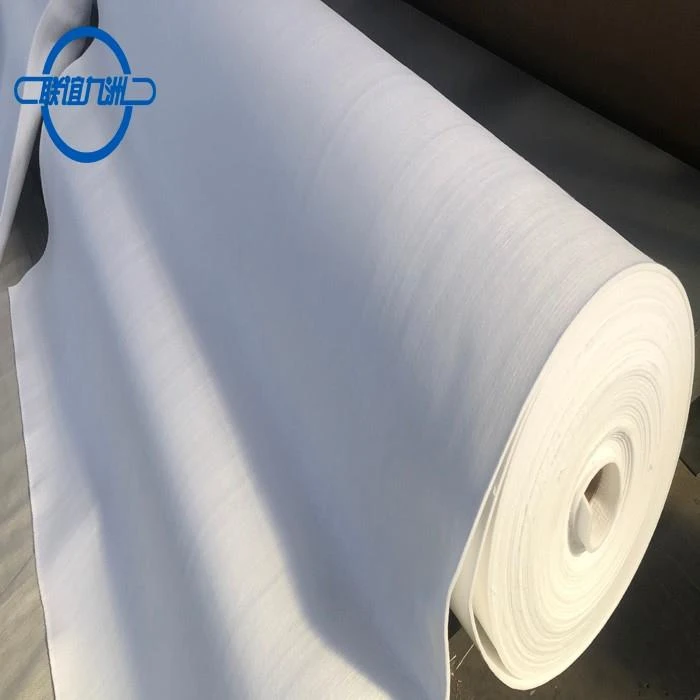
If you are interested in learning more about our PET non woven geotextile products or have specific project requirements, we invite you to contact us for a detailed discussion. Our team of experts can provide you with the most suitable solutions based on your needs and environmental considerations. Let's work together to make more sustainable choices in civil engineering projects.
References
- Koerner, R. M. (2012). Designing with Geosynthetics. Pearson.
- ASTM International. (2021). Standards related to geotextiles. ASTM International.
- Environment Protection Agency. (2022). Solid waste management and recycling guidelines. U.S. EPA.