


Hey there! As a supplier of PET Non Woven Geotextile, I'm super stoked to share with you how to install this amazing product. Geotextiles are like the unsung heroes in construction and landscaping projects, and PET non woven geotextile is a top - notch choice for many reasons. Let's dive right in!
Pre - installation Preparation
First things first, before you even think about laying down the geotextile, you gotta get the site ready. Clean the area where you're going to install it. Remove any debris, rocks, or large clumps of dirt. This is crucial because if there are sharp objects or uneven surfaces, they can puncture or damage the geotextile.
Measure the area accurately. Knowing the exact dimensions will help you figure out how much geotextile you need. Remember, it's better to have a little extra than to run short. You can check out our Non Woven Polyester Fabric Geotextile product page to see the different sizes and specifications we offer.
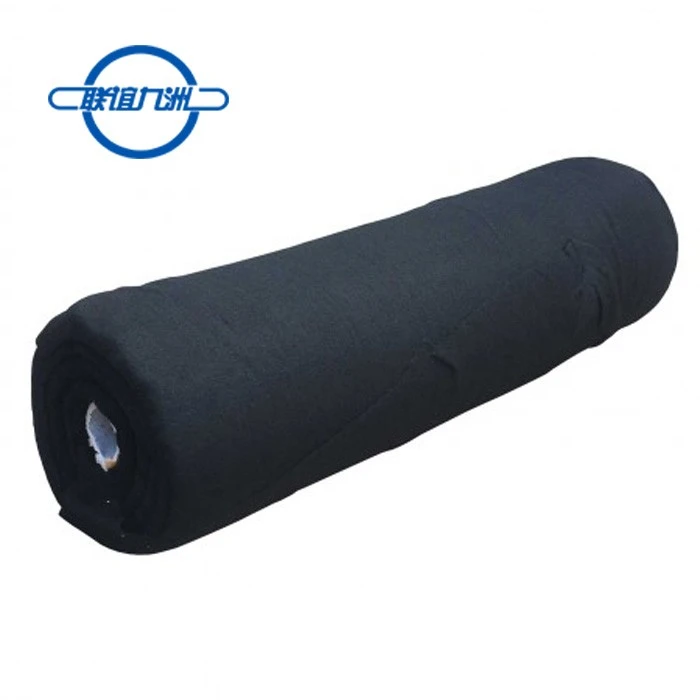

Unrolling the Geotextile
Once your site is prepped, it's time to start unrolling the geotextile. Grab the roll and place it at one end of the area. Make sure it's straight and lined up properly. Slowly start unrolling the geotextile along the length of the area. You might need a couple of people to help with this, especially if it's a large roll.
As you unroll, keep an eye out for any wrinkles or folds. Try to smooth them out as you go. If you're working on a slope, start from the top and work your way down. This helps prevent the geotextile from slipping or bunching up.
Securing the Geotextile
After you've unrolled the geotextile, you need to secure it in place. There are a few ways to do this. One common method is to use soil staples. These are like big, heavy - duty staples that you can drive into the ground through the geotextile. Place the staples about every 1 - 2 feet along the edges and at regular intervals across the surface.
If you're in an area with high winds or if the geotextile needs to be extra secure, you can also use sandbags or other heavy objects to hold it down. Just make sure they're evenly distributed so that the geotextile stays flat.
Overlapping and Seaming
In most cases, you'll need to overlap multiple pieces of geotextile to cover a large area. The recommended overlap is usually around 6 - 12 inches. This overlap helps prevent any gaps where soil or water could pass through.
When you have the pieces overlapped, you can use a seaming method to join them. For our Needle Punched Nonwoven Geotextile, a simple way to seam is by using a geotextile adhesive or stitching. If you're using adhesive, apply it evenly along the overlap area and press the two pieces together firmly. Stitching can also be effective, especially for larger projects. You can use a heavy - duty sewing machine or do it by hand if you don't have access to a machine.
Backfilling and Compaction
Once the geotextile is secured and seamed, it's time for backfilling. Backfilling means covering the geotextile with soil or other materials. Start by adding a thin layer of soil over the geotextile. This layer should be about 2 - 3 inches thick.
After adding the first layer, use a compactor to compact the soil. Compaction helps to make the soil firm and reduces the chances of the geotextile shifting. Keep adding layers of soil and compacting until you reach the desired depth.
Post - installation Inspection
Once you're done with the backfilling and compaction, take a good look at the installed geotextile. Check for any signs of damage, such as tears or punctures. If you find any, repair them immediately using the same seaming methods we talked about earlier.
Make sure the geotextile is still properly secured and that there are no areas where it's lifting or coming loose. This post - installation inspection is important to ensure that the geotextile will perform its function effectively over time.
Benefits of Using PET Non Woven Geotextile
Now, you might be wondering why you should choose PET non woven geotextile in the first place. Well, there are several reasons.
First of all, it's highly durable. PET (polyethylene terephthalate) is a strong material that can withstand a lot of wear and tear. It's resistant to UV rays, so it won't break down easily when exposed to sunlight.
Secondly, it has excellent filtration properties. It allows water to pass through while preventing soil particles from moving. This is great for drainage systems, as it helps to keep the soil in place and prevent clogging.
Our Needle Punched Nonwoven Polyester Geotextile is also very flexible. It can conform to different shapes and contours, making it suitable for a wide range of applications, from road construction to landscaping.
Why Choose Our Products
As a supplier, we take pride in offering high - quality PET non woven geotextile products. We have a strict quality control process in place to ensure that every roll meets the highest standards. Our geotextiles are made from the best materials and are designed to last.
We also offer great customer service. If you have any questions about installation, product specifications, or anything else, our team is always here to help. We can provide you with detailed information and even offer on - site support if needed.
Contact Us for Purchase
If you're interested in purchasing PET non woven geotextile for your project, don't hesitate to reach out. Whether you're a small - scale landscaper or a large construction company, we have the products and the expertise to meet your needs. Contact us today to start a conversation about your project requirements and get a quote. We're looking forward to working with you!
References
- ASTM D4354 - Standard Specification for Nonwoven Geotextiles Made from Polypropylene or Polyester
- Koerner, R. M. (2012). Designing with Geosynthetics. Pearson.